








What's Happening?
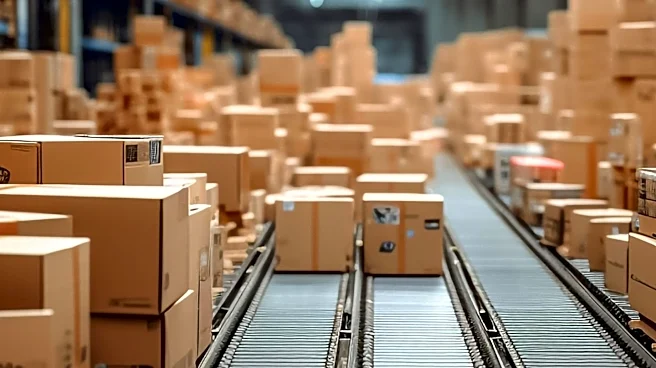
Warehousing encompasses the essential tasks of storing, organizing, and distributing goods within a facility. This includes receiving shipments, managing inventory, and preparing products for dispatch. Warehouse associates are integral to these operations,
performing duties such as unloading trucks, counting stock, processing orders, and maintaining the overall organization and safety of the warehouse. These roles often require adherence to safety protocols and regular equipment checks. Warehousing services are comprehensive, covering the entire fulfillment process from order receipt to final shipping. Modern warehousing solutions frequently incorporate real-time tracking and detailed reporting to help businesses maintain optimal inventory levels and make informed decisions. For e-commerce businesses, managing warehousing costs is crucial, as expenses can quickly escalate if not properly controlled. Factors like storage fees, order activity, inventory decisions, and long-term commitments all contribute to the overall cost, which can sometimes outpace revenue growth if not strategically managed.
Why It's Important?
Efficient warehousing is critical for the success of U.S. businesses, particularly in the rapidly expanding e-commerce sector. Effective warehouse management directly impacts supply chain efficiency, customer satisfaction, and profitability. Poor warehousing practices can lead to increased operational costs, delayed deliveries, and inventory inaccuracies, all of which can erode customer trust and market share. For businesses, understanding the components of warehousing costs—such as storage fees, labor, equipment, and returns processing—is vital for financial health. The choice between in-house warehousing, third-party logistics (3PL), or a hybrid model significantly affects a company's cost structure and operational flexibility. Companies that can optimize their warehousing operations by aligning space, contracts, and stock levels with actual sales demand are better positioned to scale efficiently and maintain competitive pricing, ultimately benefiting consumers through faster and more reliable product delivery.
What's Next?
Businesses are increasingly focusing on optimizing warehousing strategies to manage costs and enhance efficiency. This involves a continuous review of storage fees, order activity, and inventory decisions to ensure they align with actual demand rather than speculative peaks. The adoption of advanced warehouse management systems (WMS) is expected to grow, especially for businesses with large and complex catalogs, to improve purchasing, slotting, and overall inventory control. Companies will likely explore hybrid warehousing models, utilizing owned space for predictable, fast-moving core products and 3PL services for seasonal or overflow inventory to maintain flexibility. Furthermore, there will be a continued emphasis on inventory discipline, such as reducing overstock and dead stock, and implementing velocity-based slotting to maximize space utilization and fulfillment workflow efficiency. These strategic adjustments aim to prevent warehousing costs from outpacing revenue growth, ensuring sustainable business expansion.
Beyond the Headlines
The evolution of warehousing extends beyond mere storage; it is becoming a sophisticated logistical science driven by data and technology. The ethical implications of warehousing practices include labor conditions for warehouse associates, particularly in high-volume e-commerce environments where efficiency demands can be intense. Legal considerations involve compliance with safety regulations, labor laws, and environmental standards related to waste and energy consumption. Culturally, the rise of e-commerce has shifted consumer expectations towards instant gratification, placing immense pressure on warehousing and logistics to deliver faster and more accurately. This trend also highlights the long-term shift towards automation and artificial intelligence in warehouses, which could redefine the nature of work for warehouse associates, requiring new skill sets and potentially impacting employment levels. The strategic management of warehousing is thus not just an operational challenge but a multifaceted issue with significant societal, economic, and technological dimensions.