






What's Happening?
J.P. Morgan Asset & Wealth Management, backed by $4.6 trillion in assets, is highlighting the critical need for athletes to engage in financial planning much earlier in their careers. Adam Frank, head of wealth planning and advice at J.P. Morgan Wealth Management and overseer
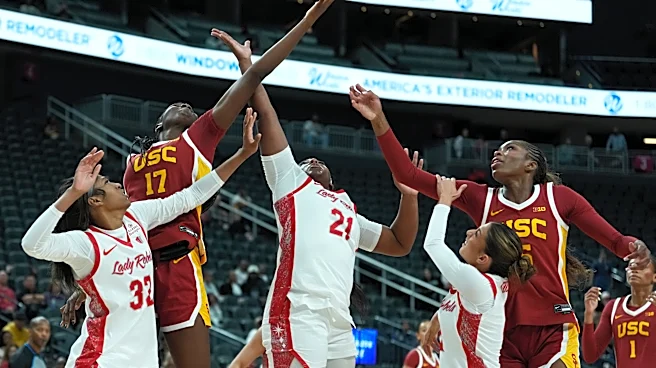
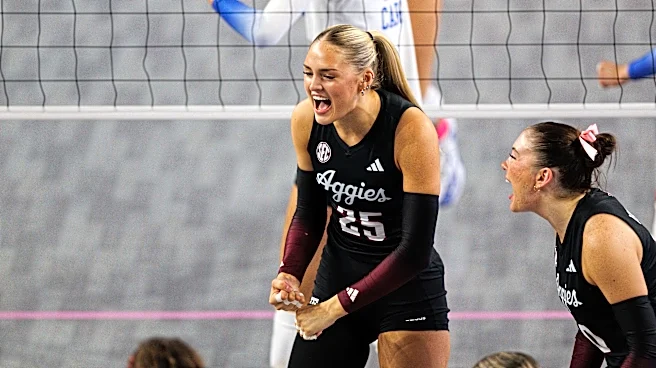
of the firm’s Athlete Center of Excellence, notes that the traditional model of athletes focusing solely on their sport before addressing finances is outdated. With the rise of Name, Image, and Likeness (NIL) opportunities, student-athletes are now earning significant income before turning professional. The College Sports Commission estimates that student-athletes received $1.77 billion in revenue-sharing pay in 2025-2026. This shift necessitates that athletes, even at a young age, understand financial concepts like taxes, savings, and managing money conversations with family and friends. The 2022 NCAA Student-Athlete Well-Being Study also indicated a strong demand among athletes for more resources on financial literacy and taxes.
Why It's Important?
This emphasis on early financial planning for athletes by J.P. Morgan Asset & Wealth Management is crucial for several reasons. The increasing financial complexity introduced by NIL deals and other early income streams means athletes are making significant financial decisions at a younger age, often without adequate preparation. Without proper guidance, they risk mismanaging their earnings, facing unexpected tax burdens, or making poor investment choices. The financial industry, including firms like J.P. Morgan, stands to gain by providing these services, establishing relationships with high-earning individuals early in their careers. Conversely, athletes who do not receive this education stand to lose substantial portions of their income due to lack of knowledge or poor advice. This initiative aims to empower athletes to think of themselves as CEOs of their own businesses, understanding the various financial components that affect their future, rather than solely relying on others after issues arise.
What's Next?
J.P. Morgan Asset & Wealth Management advocates for a proactive approach to financial education for athletes, suggesting that financial fundamentals should be introduced as early as high school, before significant earnings begin. This education should not be a one-time event but an evolving process that adapts as athletes transition from high school to college, turn professional, and eventually retire from sports. The firm's Athlete Center of Excellence and the JPMorganChase Athlete Council are designed to gather direct feedback from athletes to develop relevant and effective financial resources. The goal is to ensure athletes are equipped to thrive financially not only during their playing careers, which are often short-lived, but also throughout their post-athletic lives, by building a strong foundation of education and support.
Beyond the Headlines
The shift in athlete compensation, particularly with NIL deals, raises broader ethical and societal questions about the responsibility of educational institutions and the sports industry to prepare young individuals for financial realities. While the focus has been on creating earning opportunities, the accompanying need for financial literacy has often been overlooked. This development by J.P. Morgan highlights a growing recognition within the financial sector of this gap. It also underscores the unique financial challenges athletes face, such as earning a large portion of their lifetime income in a compressed period. The initiative could set a precedent for how other industries and educational bodies approach financial education for young professionals entering high-earning, high-risk careers, potentially leading to more comprehensive support systems and a greater emphasis on long-term financial well-being.