







What's Happening?
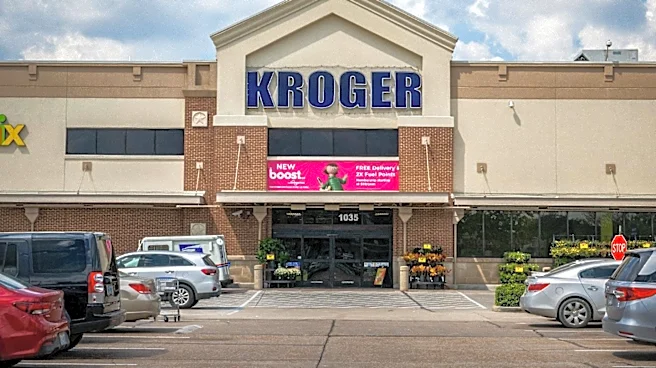
Kroger has proposed a $1.65 billion acquisition of Giant Eagle, a regional grocery chain with over 200 locations, primarily in the Midwest. This move follows a court-ordered rejection of Kroger's attempt to merge with Albertsons in late 2024. The American
Economic Liberties Project (AELP) has raised significant concerns about the proposed deal, citing potential risks to market competition and an expansion of customer surveillance practices. Kroger, which operates approximately 2,700 stores nationwide, currently utilizes various surveillance technologies, including facial recognition and Flock cameras, to monitor store operations and collect behavioral data. The AELP argues that this merger would extend these data collection practices to a larger customer base, potentially leading to increased individualized pricing and a broader data infrastructure. In Columbus, Ohio, for instance, Kroger already controls 43% of the grocery market, and the merger could increase its control to nearly 50% in some areas.
Why It's Important?
This proposed acquisition is significant due to its potential impact on market competition, consumer choice, and data privacy within the U.S. grocery sector. The American Economic Liberties Project highlights that consolidation in the grocery industry often leads to higher prices, fewer choices for consumers, and lower wages for workers. Furthermore, the expansion of Kroger's customer surveillance network through this merger raises concerns about data privacy. The integration of technologies like facial recognition and license plate readers across a larger store footprint could lead to more extensive tracking and profiling of shoppers. This could affect how consumers are targeted with advertising, how prices are set, and ultimately, their overall shopping experience. The deal also underscores the ongoing trend of industry consolidation despite increased regulatory scrutiny, particularly after the blockage of Kroger's previous merger attempt with Albertsons.
What's Next?
The proposed $1.65 billion acquisition of Giant Eagle by Kroger will likely face intense scrutiny from regulators, including the Federal Trade Commission (FTC), given the concerns raised by the American Economic Liberties Project. Regulators will need to evaluate the potential impact on market competition, especially in regions where both Kroger and Giant Eagle have a significant presence, such as Columbus, Ohio. Consumers in affected areas should monitor regulatory updates as officials assess the implications of integrating surveillance technology into modern retail. The outcome of this regulatory review will determine whether the merger proceeds and, if so, under what conditions. The decision will also set a precedent for future consolidation efforts within the U.S. grocery industry and the acceptable limits of customer data collection and surveillance.
Beyond the Headlines
Beyond the immediate business implications, this proposed merger highlights deeper ethical and legal questions surrounding data privacy and corporate power in the digital age. The AELP's assertion that Kroger is 'buying data' rather than just stores points to a fundamental shift in the value proposition of retail acquisitions. The increasing use of surveillance technologies like facial recognition and license plate readers in grocery stores raises concerns about the erosion of privacy in public spaces and the potential for discriminatory practices based on collected data. The lack of transparency regarding data retention, sharing agreements, and the exact scope of biometric functionality in stores further complicates these issues. This development could contribute to a broader societal debate about the balance between corporate efficiency, consumer convenience, and individual privacy rights, potentially influencing future legislation and consumer advocacy efforts regarding data protection in retail.