







What's Happening?
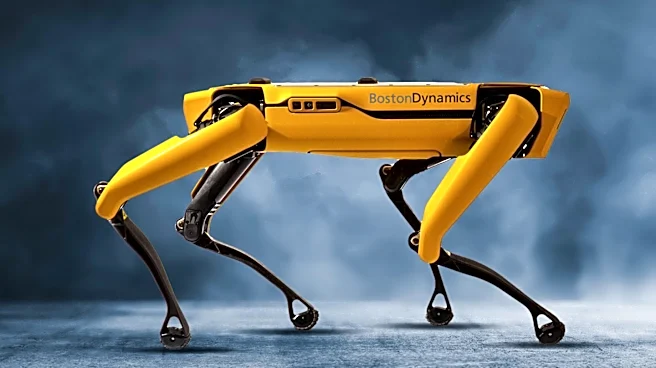
ExRobotics has launched the ExR-2.5, a UL Certified autonomous inspection robot, at the Energy Drone & Robotics Summit in Houston. This robot is designed for use in potentially explosive industrial environments, marking a significant advancement in safety
and efficiency for the oil and gas industry. The ExR-2.5 is equipped with advanced technologies such as acoustic imaging sensors, high-resolution cameras, and thermal imaging to perform safety inspections and collect real-time operational data. It is capable of autonomous navigation and obstacle avoidance, allowing it to operate safely in complex industrial settings. The robot is already in use by major operators like Shell, Repsol, and BP, and has completed numerous successful missions across various facilities.
Why It's Important?
The introduction of the ExR-2.5 addresses critical challenges faced by the oil and gas industry, including workforce shortages and the high costs associated with unplanned downtime. With a projected shortage of 40,000 skilled workers by 2025/26 and a significant portion of younger generations finding oil and gas careers unappealing, the need for autonomous solutions is pressing. The ExR-2.5 offers a reliable alternative to traditional inspection methods, reducing the risk to personnel and ensuring consistent, data-driven inspections. This innovation not only enhances operational safety but also helps maintain asset integrity, which is crucial for the industry's sustainability and profitability.
What's Next?
The deployment of the ExR-2.5 is expected to accelerate as more operators recognize the benefits of autonomous inspections. As the industry continues to face workforce challenges and the pressure to reduce operational costs, the adoption of such technologies is likely to increase. ExRobotics' focus on building rugged, reliable inspection robots positions it well to meet the growing demand for advanced inspection solutions. The company may continue to innovate and expand its product offerings to address other industry needs, potentially leading to further advancements in robotic inspection technology.