









What's Happening?
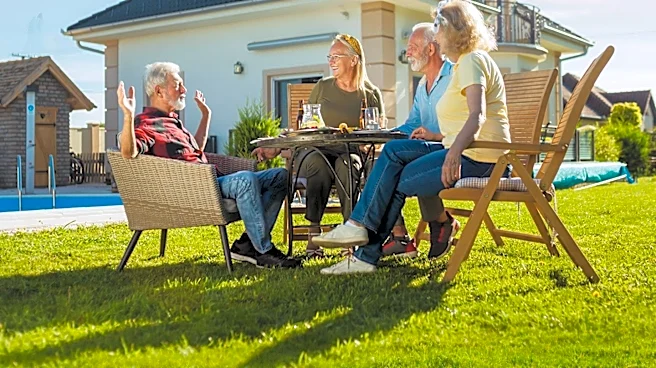
The concept of hybrid living models is gaining traction as a viable solution for seniors wishing to age in place. These models include safety net programs, granny pods, accessory dwelling units (ADUs), and community-based living arrangements like senior cohousing.
These options provide flexibility in living arrangements while addressing safety, caregiving, and financial considerations. According to a Pew Research Survey, 93% of older adults in the U.S. prefer to live in their own homes as they age. However, the feasibility of this choice depends on various factors, including health, support systems, and home modifications. Experts like Kate Granigan, a geriatric social worker, emphasize the importance of planning and considering options such as downsizing or modifying homes to accommodate aging needs.
Why It's Important?
The aging population in the U.S. is growing, and with it, the demand for sustainable living solutions that allow seniors to maintain independence while ensuring safety and support. Hybrid living models address these needs by offering adaptable housing options that can be tailored to individual circumstances. This approach not only supports the well-being of seniors but also alleviates pressure on healthcare systems by potentially reducing the need for institutional care. Additionally, these models can foster community engagement and reduce social isolation, which is a significant concern for older adults.
What's Next?
As the demand for aging-in-place solutions increases, there is a need for more widespread adoption and support for hybrid living models. This includes policy development to facilitate home modifications, financial assistance programs, and community planning to integrate these models into existing neighborhoods. Stakeholders such as government agencies, non-profits, and private developers will play crucial roles in expanding these options and ensuring they are accessible to a broader population.