



What's Happening?
The Bank for International Settlements (BIS) is highlighting a renewed global interest in industrial policy, a concept previously considered taboo in economic policymaking. This shift is driven by several factors, including a slowdown in productivity
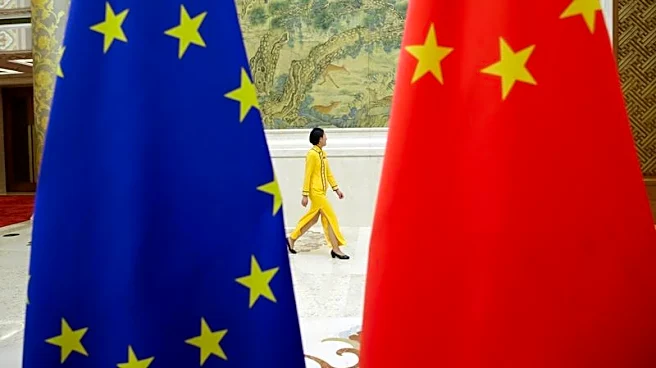
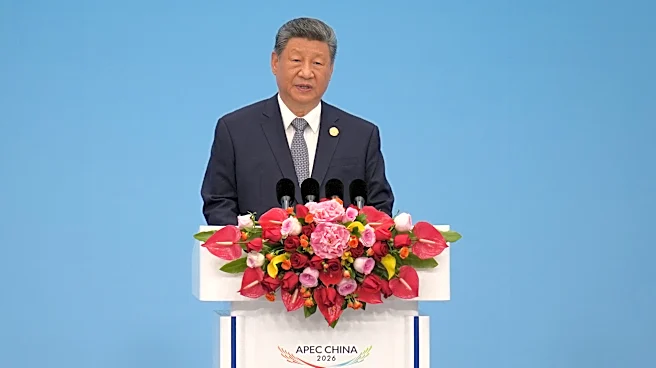
growth, geopolitical fragmentation, and the emergence of transformative technologies like Artificial Intelligence. Mr. Gabriel Makhlouf, Governor of the Central Bank of Ireland, noted that while industrial policy was once dismissed, its practice by nations like the U.S. and China was evident. Economists, including Paul Krugman, who was once a skeptic, now acknowledge the potential benefits of limited industrial policy due to positive spillovers from technology firms and geopolitical considerations. The World Bank has also significantly altered its stance on industrial policy compared to three decades ago. The BIS emphasizes the need for open-mindedness combined with caution in adopting these policies, drawing lessons from historical successes and failures where targeted support sometimes built lasting capabilities but often protected incumbents or led to inefficient capital allocation.
Why It's Important?
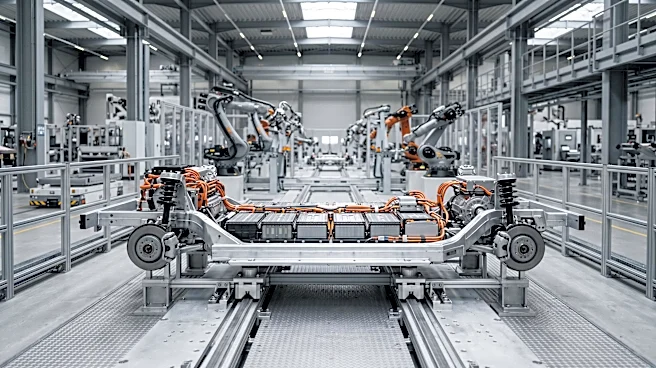
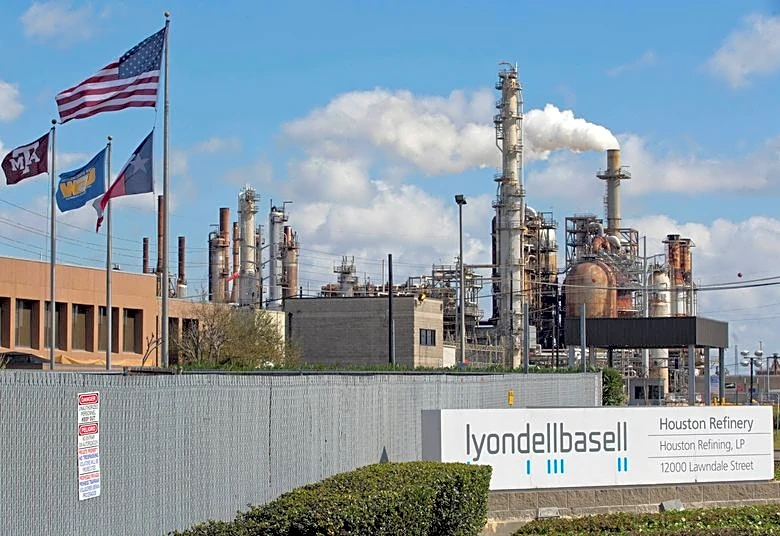
The resurgence of industrial policy carries significant implications for the U.S. economy and global trade. For the U.S., this trend could mean increased government intervention in specific sectors, potentially altering market dynamics and fostering domestic industries deemed strategically important. This could lead to shifts in investment patterns, job creation in targeted sectors, and heightened competition with other nations also pursuing industrial policies. The BIS's caution against protectionism and the blurring of public and private sector roles is particularly relevant, as poorly implemented policies could lead to fiscal burdens, reduced innovation, and trade disputes. The emphasis on 'open strategic autonomy' suggests a desire to balance national resilience with the benefits of global trade, a challenge that will shape international economic relations and potentially influence U.S. trade policy and its engagement with global supply chains. The discussion also underscores the ongoing debate about the optimal balance between free markets and government intervention in fostering economic growth and competitiveness.
What's Next?
The ongoing discussion surrounding industrial policy suggests that governments, including the U.S., will likely continue to explore and implement targeted interventions in key sectors. Future steps may involve increased public funding for research and development, incentives for domestic manufacturing, and policies aimed at securing critical supply chains. Policymakers will need to carefully consider the historical lessons highlighted by the BIS, focusing on policies that foster innovation and complement the private sector rather than competing with it. There will likely be continued debate on how to define 'open strategic autonomy' and avoid protectionist measures that could stifle global trade and innovation. The role of international cooperation in navigating these new economic realities will also be crucial, as nations seek to address shared challenges like productivity slowdowns and geopolitical fragmentation without resorting to isolationist policies. The effectiveness of these policies will be closely watched, with outcomes influencing future economic strategies and international relations.
Beyond the Headlines
The renewed focus on industrial policy extends beyond immediate economic impacts, touching upon deeper ethical and geopolitical dimensions. Ethically, the debate centers on fairness and equity: who benefits from targeted government support, and how are the risks of 'picking winners' mitigated to prevent cronyism or market distortion? Geopolitically, the shift reflects a broader re-evaluation of global interdependence, with nations increasingly prioritizing national security and resilience over pure economic efficiency. This could lead to a fragmentation of global supply chains and a more competitive international economic landscape, potentially challenging the multilateral trading system established post-World War II. The long-term implications include a potential redefinition of the state's role in the economy, moving away from purely laissez-faire approaches towards more active industrial strategies. This evolution could also influence technological development, as governments direct resources towards strategic technologies like AI, potentially accelerating innovation in some areas while creating barriers in others. The balance between national interests and global cooperation will be a defining feature of this new era of industrial policy.