





What's Happening?
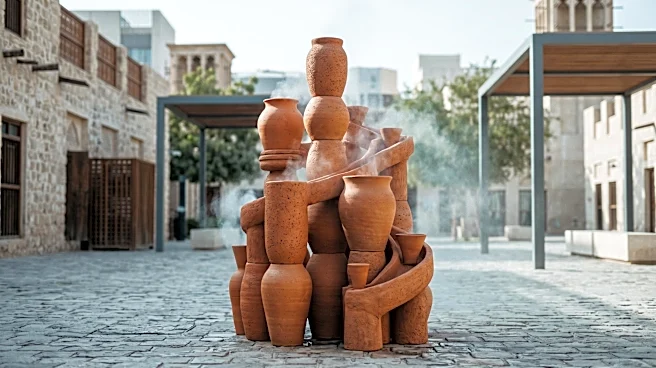
The Wabi-sabi style, originating from Japanese aesthetics, is gaining recognition for its emphasis on asymmetry, visible processes, and natural materials. This design philosophy celebrates the beauty of imperfection, utilizing elements like weathered
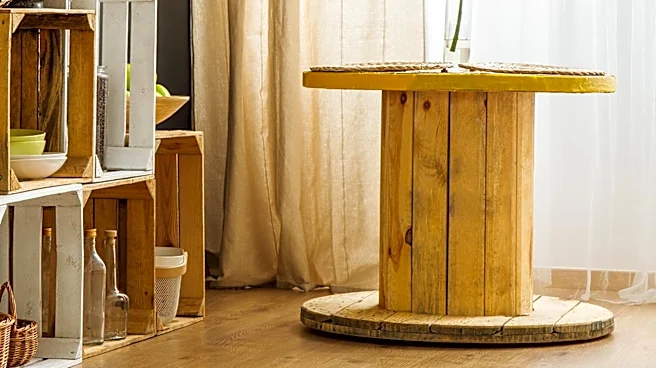
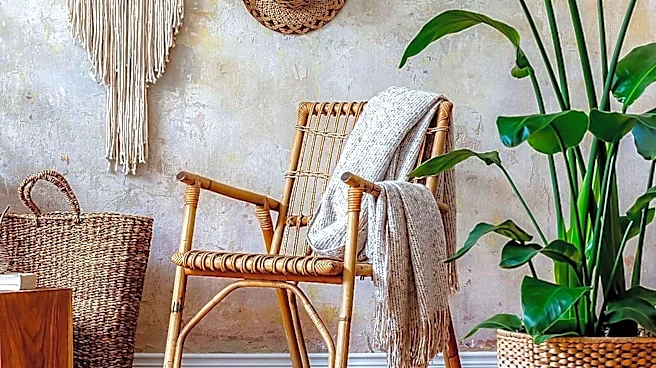
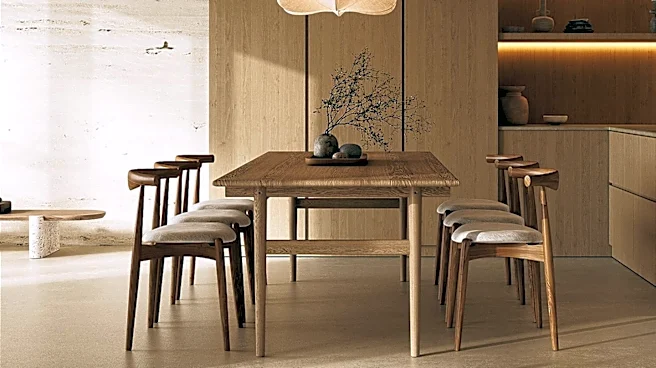
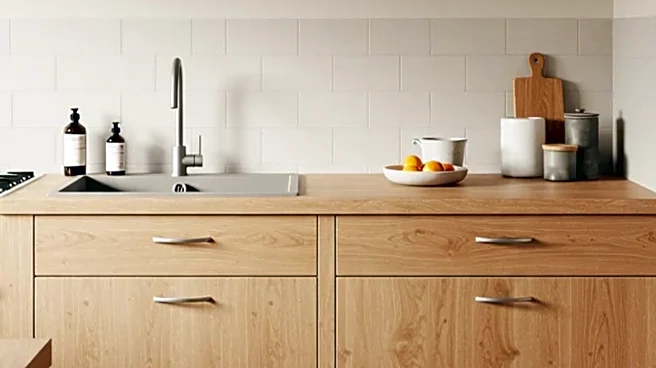
ceramics and asymmetrical forms. It prioritizes hand-building and wheel throwing in pottery, allowing the inherent characteristics of the material to shape the final product. Wabi-sabi is frequently incorporated into spaces featuring natural materials such as oak floors and unlacquered wood, or as a contrasting element in more geometrically structured environments. Beyond interior design, its principles of simplicity, patina, and personal history are also evident in literature, technology design, and social interactions. The style values the natural aging process and the unique story each object tells, moving away from pristine, mass-produced perfection.
Why It's Important?
The growing popularity of Wabi-sabi style reflects a broader cultural shift towards valuing authenticity, sustainability, and a more mindful approach to consumption. In an era dominated by mass production and the pursuit of flawless aesthetics, Wabi-sabi offers an alternative that embraces the unique character and history of objects. This philosophy can influence U.S. industries by encouraging designers and manufacturers to incorporate natural, less processed materials and to highlight craftsmanship over uniformity. For consumers, it promotes an appreciation for items that age gracefully and possess a story, potentially leading to a demand for more durable, handcrafted goods and a reduction in disposable culture. This aesthetic can also impact mental well-being by fostering an environment that is less about perfection and more about comfort, warmth, and connection to nature, offering a counterpoint to the often-stressful pursuit of idealized living spaces.
What's Next?
As Wabi-sabi continues to gain traction, it is likely to influence various sectors beyond interior design. We may see an increased adoption of its principles in fashion, where designers could prioritize natural fibers, artisanal techniques, and garments designed to show wear and age beautifully. The architectural field might also embrace Wabi-sabi by favoring raw, unfinished materials and designs that integrate seamlessly with natural surroundings, emphasizing functionality and understated elegance. Furthermore, the philosophy could inspire a new wave of sustainable product design, where the lifecycle of a product, including its eventual wear and tear, is considered part of its inherent beauty. Educational institutions and design schools may also begin to incorporate Wabi-sabi principles into their curricula, fostering a new generation of designers who prioritize authenticity and imperfection.
Beyond the Headlines
The embrace of Wabi-sabi extends beyond mere aesthetic preference; it represents a deeper philosophical shift that challenges conventional notions of beauty and value. In a society often driven by consumerism and the constant pursuit of newness, Wabi-sabi encourages a re-evaluation of what constitutes 'good' or 'beautiful.' It promotes a sense of humility and acceptance of impermanence, which can have profound psychological and cultural implications. By finding beauty in the transient and imperfect, individuals may cultivate greater resilience and contentment, reducing the pressure to conform to unattainable ideals. This philosophy also subtly critiques the environmental impact of fast fashion and disposable goods, advocating for a more sustainable and appreciative relationship with our possessions and surroundings. It suggests that true value lies not in pristine perfection, but in the character and story that time and use impart.