




What's Happening?
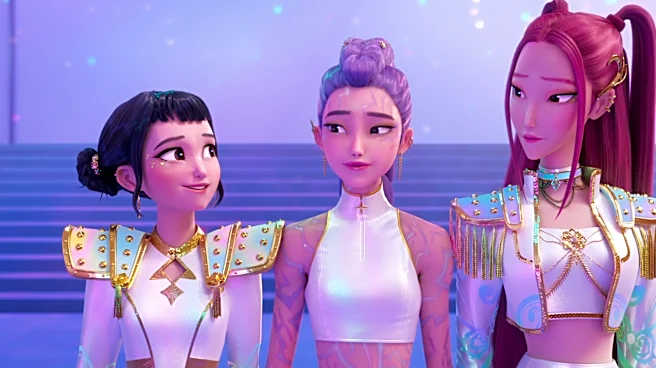
Christian metal band Demon Hunter has filed a lawsuit against Netflix, Netflix Studios, and AEG Presents, alleging trademark infringement. The lawsuit, filed by Hyde Lane, the corporate entity for Demon Hunter, claims that Netflix's hit film 'KPop Demon Hunters'
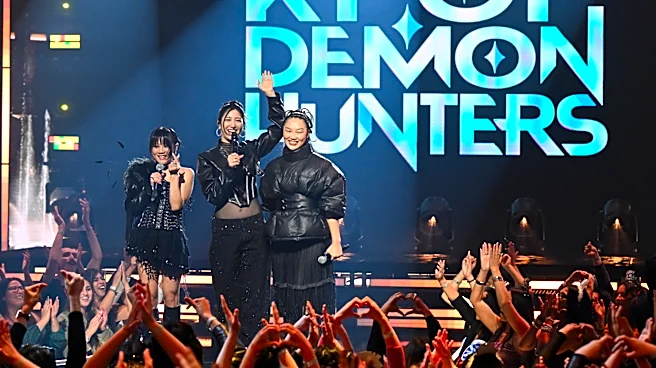
has created a "substantial likelihood of confusion" among consumers. The band, formed in 2000, asserts that the success of the 2025 urban fantasy film has overshadowed their "established identity" and "commercial fate," particularly with the announcement of a 'KPop Demon Hunters' global concert tour in partnership with AEG Presents. Hyde Lane originally trademarked "Demon Hunter" in 2014 for live performances and later for recorded music and merchandise. Netflix, by contrast, filed 10 applications for "KPop Demon Hunters" for merchandise purposes starting in August 2025. The lawsuit cites instances of consumer confusion, including a refund request for a Demon Hunter concert ticket from someone who believed it was for a 'KPop Demon Hunters' event, and a producer from 'Inside Edition' requesting an interview with a KPop Demon Hunters songwriter from Demon Hunter's manager.
Why It's Important?
This lawsuit highlights the increasing challenges faced by established brands and artists in protecting their intellectual property in a rapidly evolving media landscape. The alleged "consumer confusion" could significantly impact Demon Hunter's brand recognition and commercial viability, as their identity becomes obscured by a more widely distributed and successful Netflix property. For Netflix and other major entertainment companies, the case underscores the importance of thorough trademark diligence, especially when developing new content that might inadvertently overlap with existing intellectual property. The outcome could set a precedent for how similar disputes are handled in the entertainment industry, particularly concerning the use of similar names across different media formats and the potential for consumer misidentification. It also brings to light the power imbalance between independent artists and large corporations, where the former may struggle to maintain control over their commercial identity against entities with greater resources and market reach.
What's Next?
Hyde Lane is seeking to hold Netflix and Netflix Studios liable for infringement, though a specific monetary amount has not been disclosed in the lawsuit. The legal proceedings will likely involve a detailed examination of the extent of consumer confusion, the distinctiveness of the "Demon Hunter" trademark, and the scope of Netflix's use of "KPop Demon Hunters." The court will need to determine whether Netflix's actions constitute a violation of trademark law and if the band's claims of irreparable injury to their commercial identity are valid. The resolution of this case could influence future naming conventions and branding strategies within the entertainment industry, particularly for films and musical acts. It may also lead to increased scrutiny of trademark applications and potential conflicts before new projects are launched, especially those with significant marketing and merchandising potential.
Beyond the Headlines
Beyond the immediate legal battle, this case touches upon broader themes of cultural appropriation and the impact of global media trends on niche markets. The rise of K-pop as a global phenomenon, as exemplified by the success of 'KPop Demon Hunters,' can inadvertently overshadow and dilute the brand identity of smaller, established acts. The lawsuit also raises questions about the responsibility of large platforms like Netflix to conduct comprehensive due diligence to avoid infringing on existing intellectual property, even if the genres or target audiences differ. The ethical dimension of a major corporation potentially benefiting from the established recognition of a smaller entity, even unintentionally, is a key underlying issue. This situation could prompt a re-evaluation of how intellectual property rights are protected and enforced in an increasingly interconnected and content-saturated world, where brand names can easily become conflated in the public consciousness.