





What's Happening?
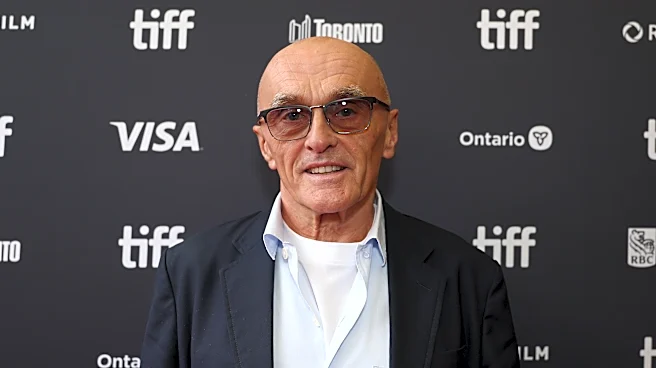
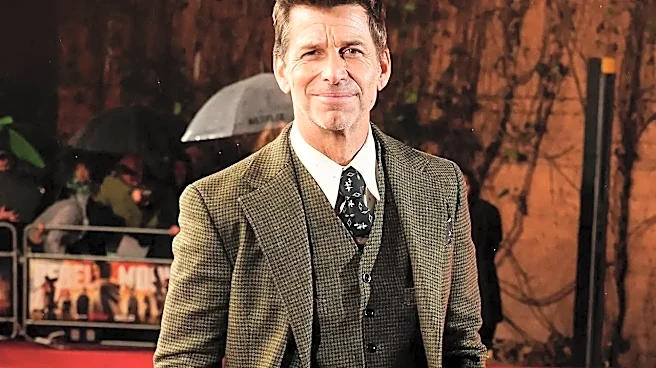
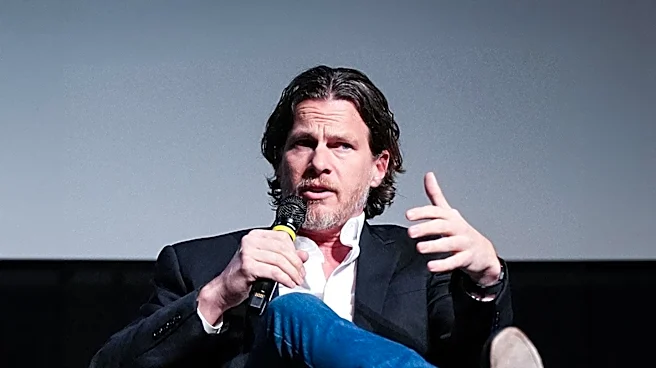
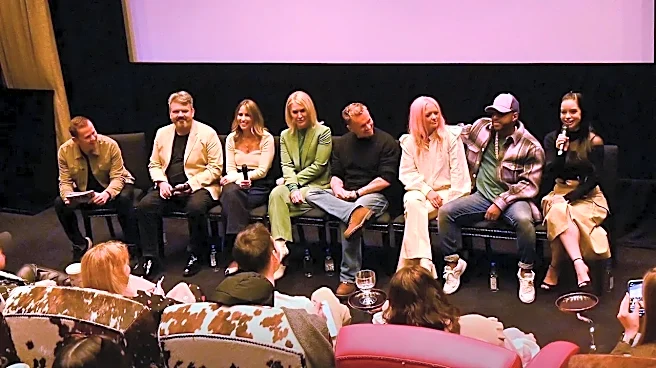
The Toronto International Film Festival (TIFF) hosted its 'Future in Focus' panel, presented by Utopai Studios, where actors James McAvoy and Rebel Wilson, alongside filmmakers Rachel Morrison and Liz Garbus, discussed the evolving landscape of the film industry.
The conversations, led by Variety's executive editor of film Matt Donnelly and senior entertainment writer Angelique Jackson, centered on innovation, the advent of AI, corporate mergers, and production challenges. Panelists expressed optimism about the future of film, particularly regarding the utility of AI as a tool for filmmakers, especially young ones, to unleash their imaginations. Rebel Wilson and Stephanie Ahn highlighted AI's potential to cut costs, making filmmaking more accessible and allowing for a greater diversity of stories to be told. However, there was a consensus that human creativity must remain at the forefront, ensuring AI serves the soul of a film rather than replacing human-driven narratives and performances. The event also touched upon the increasing trend of handcrafted, meticulous human stories converging with technology, suggesting a 'rebellion against AI' in some aspects of current filmmaking.
Why It's Important?
This discussion at TIFF is important for the U.S. film industry as it reflects a critical juncture where technological advancements, particularly in artificial intelligence, are reshaping creative and business models. The optimism expressed by industry figures like James McAvoy and Rebel Wilson regarding AI's potential to foster imagination and reduce costs could lead to more independent productions and diverse storytelling, potentially democratizing access to filmmaking. However, the emphasis on maintaining human creativity and avoiding AI-generated narratives underscores a crucial debate about the artistic integrity and authenticity of film in the age of AI. The panel's insights into the challenges posed by corporate mergers and production woes highlight ongoing structural issues within the industry that could impact film financing, distribution, and the types of stories that get told. The call for supporting new work, new actors, and new storytelling styles is vital for the continued evolution and nurturing of American cinema, ensuring it remains vibrant and relevant to audiences.
What's Next?
The discussions at TIFF's 'Future in Focus' panel suggest a continued integration of AI into filmmaking processes, with an ongoing effort to define its role as a supportive tool rather than a replacement for human creativity. The industry will likely see more experimentation with AI to manage production costs and enhance creative possibilities, particularly for independent filmmakers. This could lead to new funding models and production pipelines that leverage technology to bring diverse stories to the screen. Stakeholders, including studios, producers, and artists, will need to navigate the ethical and practical implications of AI, potentially leading to new guidelines or best practices for its use in film. The focus on human-centric storytelling, even amidst technological advancements, indicates a future where the industry strives for a balance between innovation and artistic authenticity. Furthermore, the continued success of theatrical releases, as noted by panelists, suggests a renewed focus on the communal experience of cinema, which could influence distribution strategies and film exhibition in the coming years.
Beyond the Headlines
The dialogue surrounding AI in filmmaking extends beyond immediate production efficiencies, touching upon profound ethical and cultural implications. The panel's insistence on 'human creativity upfront' and not having 'jokes written by a machine' highlights a broader societal concern about the preservation of human artistry and emotional depth in an increasingly automated world. This 'rebellion against AI' in the context of handcrafted stories suggests a potential counter-movement within the arts, where the unique value of human touch and perspective is reasserted. The discussion also implicitly raises questions about intellectual property and authorship in an AI-assisted creative process. As AI tools become more sophisticated, defining the boundaries of human contribution and machine generation will be crucial for legal frameworks and artistic recognition. Moreover, the optimism about AI cutting costs could inadvertently lead to a two-tiered system, where high-budget productions maintain traditional human-intensive methods, while lower-budget films rely heavily on AI, potentially creating a new form of artistic stratification. The long-term impact on the film industry's workforce, from writers to visual effects artists, also remains a significant, albeit unstated, concern.