




What's Happening?
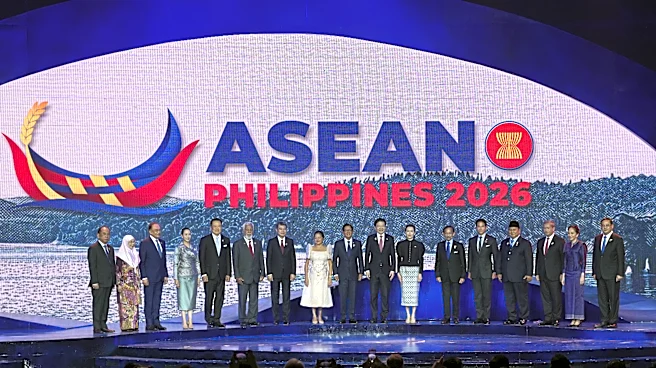
An ASEAN delegation, led by the United Nations Conference on Trade and Development (UNCTAD), visited LIMA Estate in Batangas on November 17 to examine how integrated economic estates facilitate investments in intangible assets and higher-value industrial
activities. The visit, part of the ASEAN FDI Policy Workshop 2026, showcased Aboitiz Economic Estates' flagship development as a case study for industrial ecosystems supporting capabilities beyond physical infrastructure. The delegation toured various facilities, including the Batangas State University (BatStateU)–LIMA campus, which aligns academic training with technical talent needs through industry-based learning and curriculum collaboration. They also visited JTI’s manufacturing facility, JT International Asia Manufacturing Corp. (JTI-AMC), and Conduent, a business process outsourcing (BPO) company, to observe advanced production technologies and knowledge-intensive services. The tour concluded at the AboitizPower–JERA Global Technical Center of Excellence (GTCOE), a joint initiative focused on developing world-class technical talent for the energy industry.
Why It's Important?
This visit highlights a critical shift in industrial competitiveness towards intangible investments such as workforce skills, technology adoption, and organizational capabilities, a trend with significant implications for U.S. businesses operating or considering investment in ASEAN. For U.S. companies, understanding these integrated ecosystems is crucial for strategic planning, as they offer a supportive environment for higher-value manufacturing and services. The emphasis on skilled labor development, particularly through academic-industry partnerships, addresses a common challenge for foreign investors in emerging markets. This model can attract U.S. firms seeking to establish advanced manufacturing or BPO operations in the region, ensuring access to a competent workforce and streamlined business processes. It also underscores the importance of robust infrastructure and investor support in fostering successful international business ventures.
What's Next?
The insights gained by the ASEAN delegation are expected to inform future foreign direct investment (FDI) policies across the region, potentially leading to more attractive investment climates for U.S. and other international businesses. Aboitiz Economic Estates plans to replicate this integrated development model across its portfolio, aiming to support higher-value industrial investments in other promising growth regions of the Philippines. This ongoing development will likely create more opportunities for U.S. companies looking to expand their manufacturing, technology, or service operations in Southeast Asia. Continued collaboration between academic institutions and industries within these estates will be vital for maintaining a pipeline of skilled talent, ensuring long-term competitiveness and innovation.
Beyond the Headlines
The focus on intangible assets and integrated industrial ecosystems represents a sophisticated approach to economic development that moves beyond simply providing land and basic infrastructure. This model fosters a holistic environment where businesses can thrive through access to skilled labor, advanced technology, and supportive services. For U.S. policymakers and businesses, this trend signals the need to consider not just the cost of labor or raw materials, but the entire ecosystem of support when evaluating international investment opportunities. It also highlights the growing importance of human capital development and educational partnerships as key drivers of economic growth and competitiveness in the globalized economy, influencing how U.S. companies approach corporate social responsibility and talent development abroad.