



What's Happening?
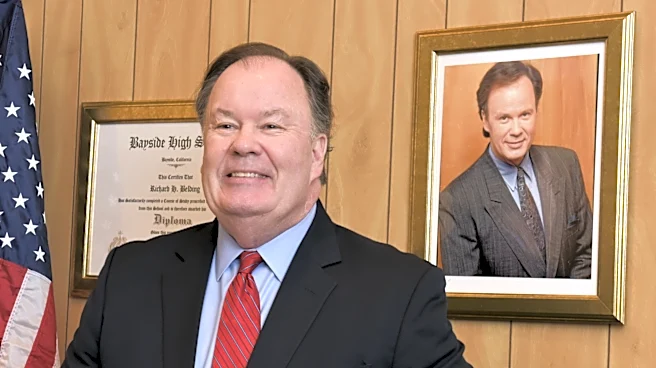
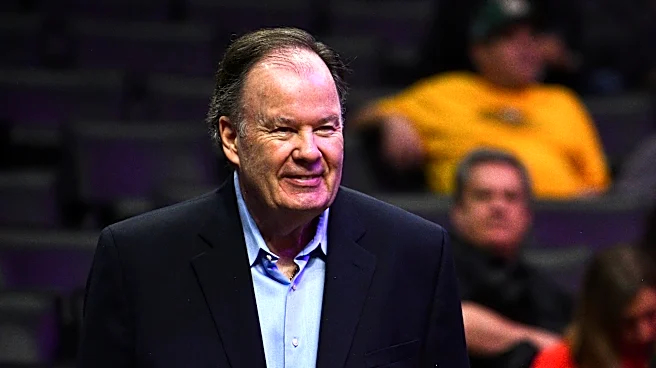
Actress Skai Jackson recently reacted to a viral Instagram post that falsely claimed the death of her former 'Jessie' co-star, Kevin Chamberlin. The post, designed to resemble an obituary with a black and white photo and the years '1963-2026', caused
widespread confusion among fans. Despite the image's caption clarifying it was an early birthday wish for Chamberlin, who will turn 63 in November 2026, many interpreted it as an announcement of his passing. Jackson commented on the post, expressing her shock and stating she 'almost fell for the lie.' This incident highlights the rapid spread of misinformation on social media platforms and the immediate impact it can have on public figures and their communities. Chamberlin, known for his role as Bertram Winkle in the Disney Channel series, is alive and well, with the rumor stemming from a misinterpretation of a birthday greeting.
Why It's Important?
This event underscores the significant challenge of combating misinformation and disinformation on social media, particularly when it involves public figures. The rapid dissemination of unverified content can lead to emotional distress for individuals, their families, and their fan bases, as evidenced by Skai Jackson's reaction. For the entertainment industry, such hoaxes can create unnecessary alarm and potentially damage reputations or cause public relations issues. It also highlights the responsibility of social media platforms to implement more effective mechanisms for identifying and flagging misleading content. The incident serves as a cautionary tale for users to critically evaluate information before sharing, emphasizing the need for media literacy in an increasingly digital world. The emotional impact on those close to the falsely reported individual, like Jackson, demonstrates the real-world consequences of online rumors.
What's Next?
In the immediate future, it is likely that social media platforms will continue to face scrutiny regarding their content moderation policies, especially concerning viral hoaxes. This incident may prompt further discussions within the entertainment industry about how to proactively address and debunk false rumors about celebrities. For the public, there will likely be continued calls for increased vigilance and critical thinking when encountering news on social media. Kevin Chamberlin may choose to address the hoax publicly to reassure his fans, though the primary responsibility for correcting such misinformation often falls on the platforms where it originates. The event could also lead to more robust fact-checking initiatives by social media companies or increased user reporting of misleading content.
Beyond the Headlines
This incident delves into the broader societal implications of digital communication and the erosion of trust in online information. The ease with which a seemingly innocuous birthday post can be misinterpreted and spread as a death hoax reveals a vulnerability in how information is consumed and shared. It raises ethical questions about the responsibility of content creators to be clear and unambiguous, and the psychological impact of such scares on individuals and their communities. Furthermore, it highlights a cultural shift where social media has become a primary, yet often unreliable, source of news, blurring the lines between genuine reporting and speculative content. The event serves as a stark reminder of the need for digital literacy and critical engagement with online narratives to prevent emotional distress and the spread of harmful falsehoods.