



What's Happening?
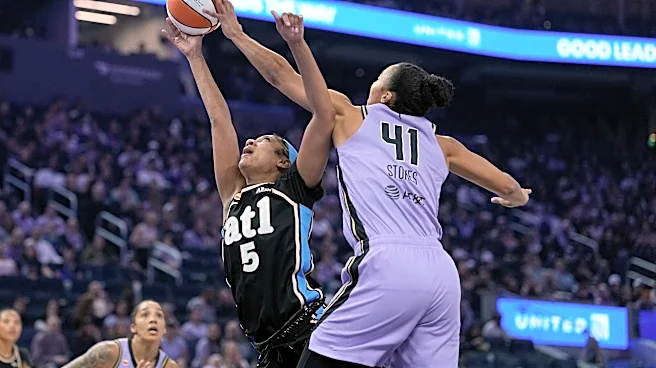
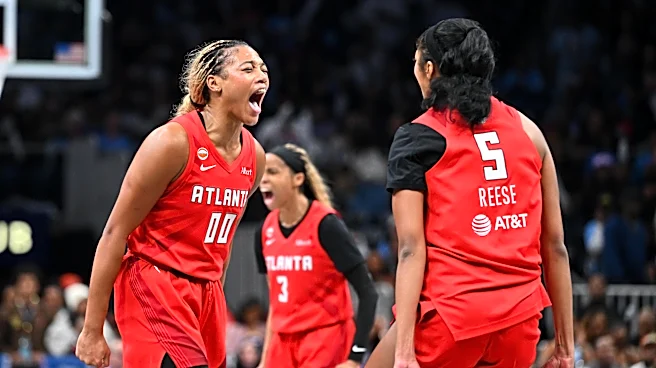
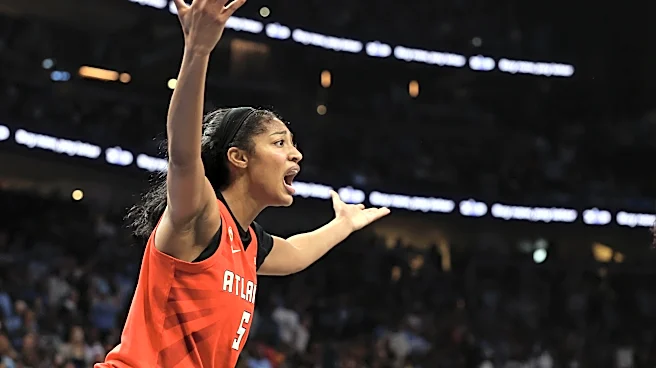
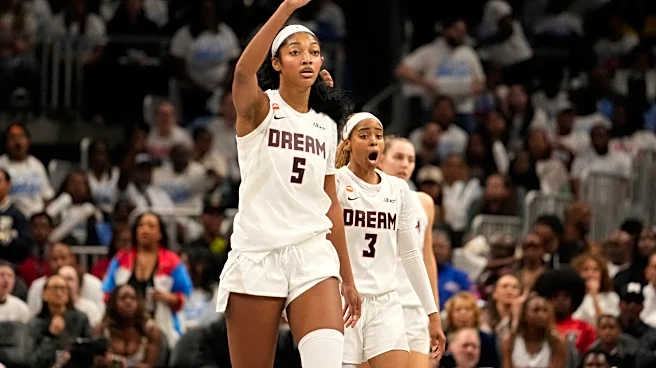
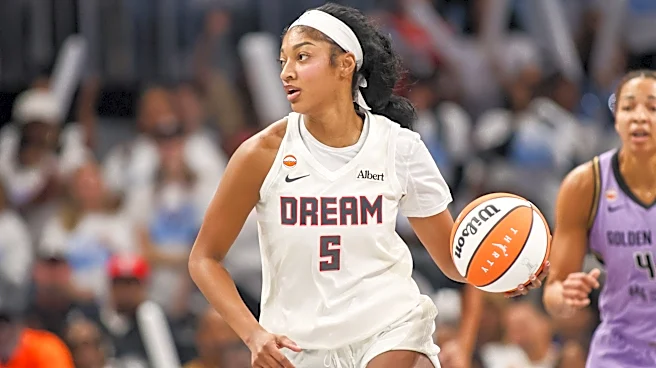
The WNBA Finals are set for a historic Game 7, the first in the league's 30-year history, after the Atlanta Dream defeated the Golden State Valkyries 80-69 in Game 6. Angel Reese led the Dream with a double-double, scoring 15 points and grabbing 14 rebounds.
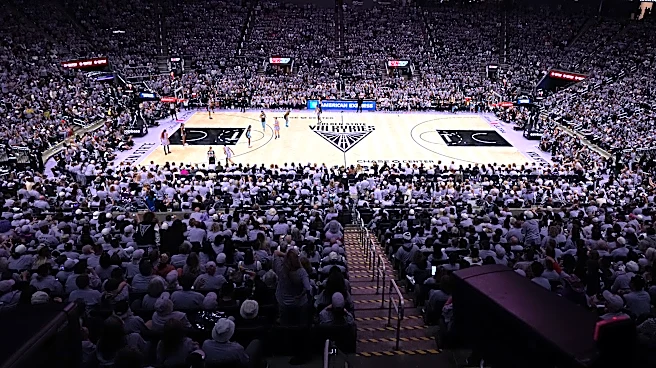
The series is now tied at three games apiece, with the winner-take-all contest scheduled for Saturday at the Valkyries' home court, the Chase Center in San Francisco. The Dream started Game 6 strong, hitting six of eight 3-pointers in the first quarter and leading 32-15. Golden State head coach Natalie Nakase expressed frustration with her team's poor start, acknowledging the Dream's desperate play. The scheduling of Game 6 was adjusted to an earlier 12:30 p.m. start in Atlanta due to the NBA's Hawks having a home game later that evening, and the WNBA Finals games in Atlanta were moved to the larger State Farm Arena from the Dream's usual venue.
Why It's Important?
This Game 7 marks a significant milestone for the WNBA, highlighting the growing competitiveness and excitement within the league. A winner-take-all final game can draw increased viewership and attention, boosting the league's profile and potentially attracting new fans. For both the Atlanta Dream and the Golden State Valkyries, this game represents the culmination of their season, with a championship title at stake. The Dream's ability to force a Game 7 after a strong performance in Game 6 demonstrates their resilience and competitive drive. For the Valkyries, who are in only their second year of existence under Coach of the Year Natalie Nakase, reaching the Finals and a Game 7 is a remarkable achievement that could solidify their place as a formidable team in the league. The increased visibility of such a high-stakes game can also have positive economic impacts through ticket sales, merchandise, and media rights.
What's Next?
Game 7 will take place on Saturday at the Chase Center in San Francisco, with tip-off at 5 p.m. Pacific Time. Golden State head coach Natalie Nakase emphasized the need for her team to increase their physicality and defensive intensity in the decisive game, adopting a 'win or die' mentality. The outcome of this game will determine the 2026 WNBA champion, concluding a historic season for the league. The increased attention on this final game could lead to further discussions about the WNBA's growth, scheduling practices, and the overall fan experience. The winning team will celebrate a significant achievement, while the losing team will reflect on their season and prepare for future opportunities.
Beyond the Headlines
The scheduling adjustments for Game 6, necessitated by the NBA's Hawks' home game, subtly highlight the ongoing challenges and opportunities for the WNBA in terms of venue availability and league prioritization. While the move to a larger arena for the Finals is a positive sign of growth, the need to accommodate other sports events can impact player routines and fan experience. The historic nature of a Game 7 in the WNBA Finals also speaks to the league's maturation and increasing parity, suggesting a future of more competitive and compelling matchups. The narrative of Coach Natalie Nakase leading an expansion team to the Finals in its second year adds an inspiring dimension, showcasing the potential for rapid development and success within the league. This event could inspire future generations of athletes and coaches, further solidifying the WNBA's place in the professional sports landscape.