




What's Happening?
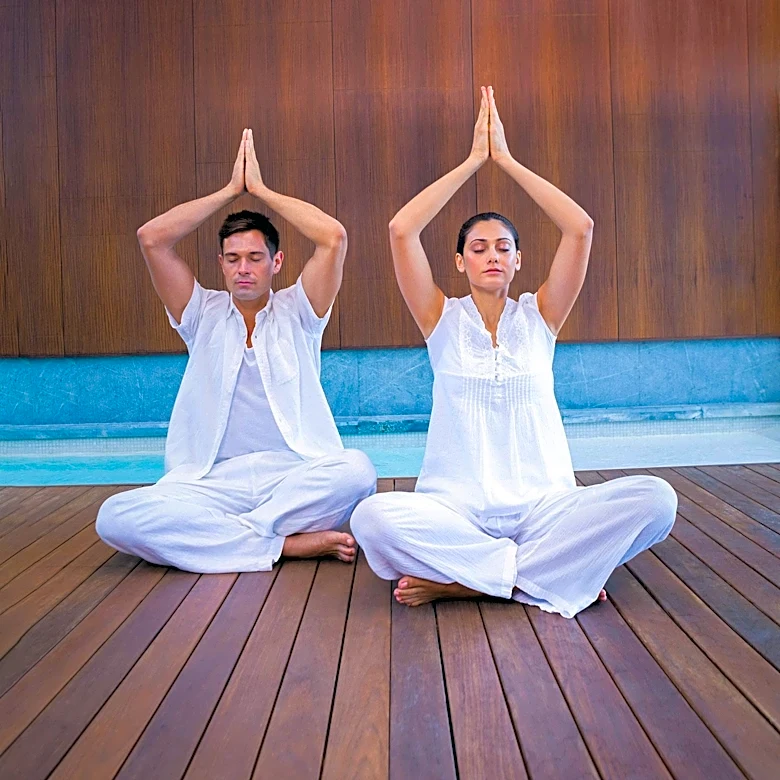
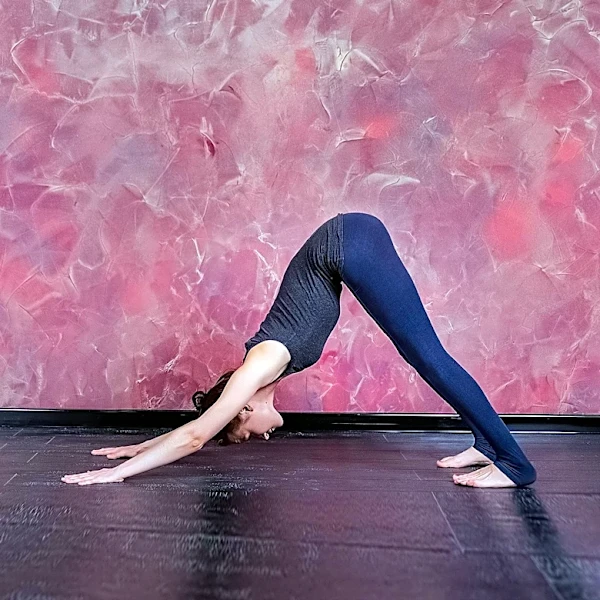
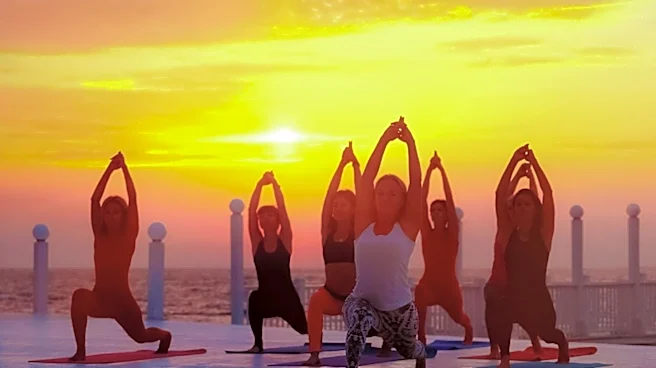
Wellness retreats are increasingly focusing on holistic health and specialized therapeutic experiences, moving beyond traditional relaxation to offer immersive programs. These retreats incorporate activities such as meditation, yoga, breathwork, and nature-based
somatic therapies. For instance, The Vessyl in Costa Rica provides an adults-only retreat set in a tropical forest, emphasizing sound, vibration, and rainforest immersion to facilitate a nervous system reset. This retreat utilizes a 'Frequency Dome' with spatial audio and transducers that convert sound frequencies into physical vibrations. Other offerings include outdoor endurance challenges, 'forest bathing,' and equine experiences. Similarly, Amangiri in Utah offers sensory decompression through architectural minimalism and customized outdoor mindfulness programs, including guided private slot canyon hikes and sensory-deprivation therapy. These retreats aim to address issues like overstimulation, burnout, and sensory processing sensitivities by creating environments that promote mental and physical wellness.
Why It's Important?
The growing popularity of specialized wellness retreats signifies a broader societal recognition of the need for comprehensive mental and physical well-being, particularly in response to modern stressors. These retreats offer structured environments designed to mitigate the effects of chronic stress, anxiety, and sensory overload, which are prevalent issues in contemporary U.S. society. By integrating scientific approaches like somatic therapies, which are proven to lower cortisol levels and calm the nervous system, these programs provide tangible health benefits. The focus on personalized experiences, such as customizable itineraries at The Vessyl, allows individuals to engage with practices that resonate most with their needs, fostering a more effective and sustainable path to wellness. This trend also highlights a shift in the tourism and hospitality industries towards offering more health-centric and therapeutic travel options, catering to a demographic seeking profound restorative experiences rather than just leisure.
What's Next?
The wellness retreat industry is likely to continue its expansion and diversification, with an increasing emphasis on personalized and scientifically-backed therapeutic modalities. Future retreats may further integrate advanced technologies, such as biofeedback and virtual reality, to enhance immersive experiences and provide more targeted interventions for mental and physical health. There will likely be a continued focus on nature-based therapies, given their proven benefits in stress reduction and nervous system regulation. As awareness of neurodivergent needs grows, more retreats may tailor their environments and programs to be sensory-friendly, offering quiet spaces, minimalist designs, and flexible schedules. The industry could also see a rise in specialized retreats addressing specific conditions or goals, such as digital detoxes, grief recovery, or executive burnout, further solidifying their role as essential components of a holistic health strategy.
Beyond the Headlines
Beyond the immediate benefits of relaxation and rejuvenation, the rise of specialized wellness retreats reflects a deeper cultural shift towards prioritizing self-care and mental health. This trend challenges traditional notions of productivity and success, advocating for intentional pauses and restorative practices as integral to a balanced life. The emphasis on 'nervous system resets' and 'sensory decompression' points to a collective acknowledgment of the pervasive impact of modern life's demands on our physiological and psychological well-being. These retreats also highlight the potential for integrating therapeutic practices into everyday life, encouraging participants to adopt mindfulness, breathwork, and nature engagement beyond the retreat setting. Furthermore, the luxury aspect of many of these retreats raises questions about accessibility and equity in wellness, prompting discussions on how such beneficial practices can be made available to a broader population, fostering a more resilient and healthier society overall.