
What's Happening?
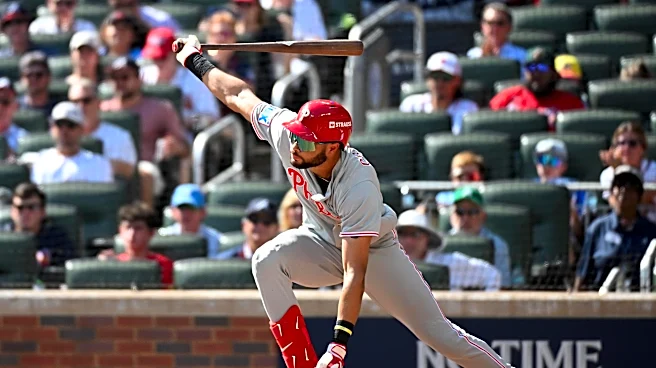
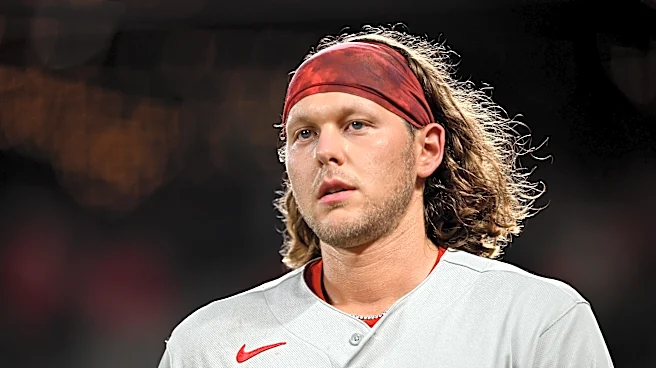
The Philadelphia Phillies are reportedly looking to make roster changes after a disappointing 2026 season, with president of baseball operations Dave Dombrowski open to trading players like shortstop Trea Turner and left fielder Brandon Marsh. Concurrently,
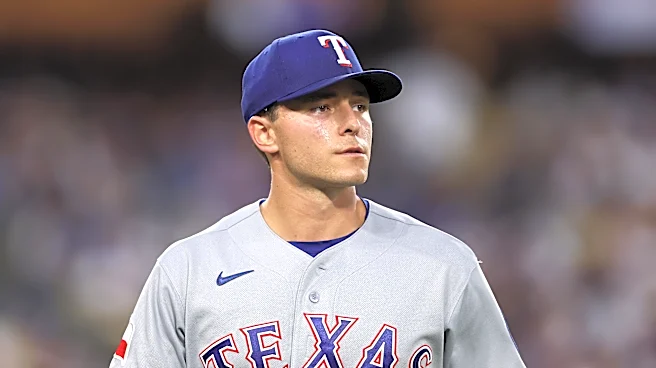
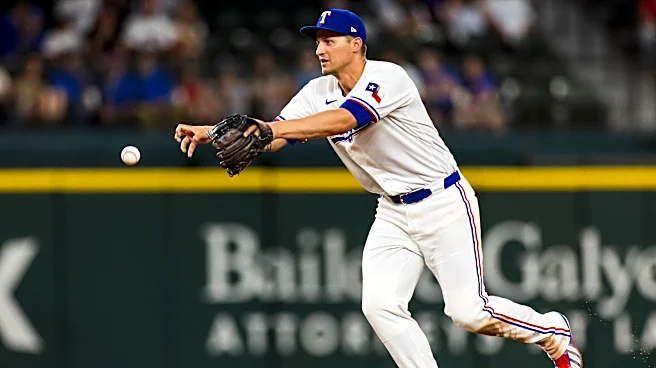
the Texas Rangers are reportedly open to trading their shortstop, Corey Seager, who is owed $155 million over the next five years and will be 33 next season. Seager possesses a full no-trade clause but is reportedly willing to waive it for the 'right situation.' Industry sources suggest a potential swap between Seager and Turner could be a viable option for both franchises, aiming to shed undesirable contracts and reconfigure their rosters.
Why It's Important?
A potential trade involving Corey Seager and Trea Turner would be a significant transaction in Major League Baseball, impacting two prominent franchises and their competitive outlooks. For the Phillies, acquiring Seager could provide a powerful offensive threat and strong defensive presence at shortstop, addressing a key area where Turner underperformed in 2026. For the Rangers, trading Seager would free up substantial salary space, which is crucial given their stated flat payroll for 2027 and their interest in acquiring Japanese star Teruaki Sato. Such a trade would also involve complex financial considerations, as both players have large, long-term contracts, and the teams would need to assess the value and risk associated with each player's age and injury history.
What's Next?
Discussions between the Philadelphia Phillies and Texas Rangers regarding a potential trade involving Corey Seager and Trea Turner are likely to intensify. The Phillies will need to evaluate the pros and cons of taking on Seager's contract and his injury history versus his on-field production. Similarly, the Rangers will weigh the financial relief and roster flexibility gained from trading Seager against the loss of a star player. Both teams will also need to consider the players' no-trade clauses and ensure any deal is agreeable to the athletes involved. The looming threat of a potential MLB work stoppage after December 1st could add urgency to these negotiations, as teams aim to finalize rosters before any disruption.
Beyond the Headlines
This potential trade scenario highlights the strategic complexities of managing high-value player contracts in professional sports. Both the Phillies and Rangers are looking to optimize their rosters and financial commitments, demonstrating how teams constantly seek to balance competitive aspirations with fiscal responsibility. The willingness of star players like Seager to consider waiving no-trade clauses for a 'right situation' underscores the evolving priorities of athletes, who often seek not just financial security but also a strong competitive environment. This type of player swap, involving two high-profile shortstops, could also set a precedent for how teams approach shedding large contracts and retooling their rosters in the future, especially in a league with dynamic financial landscapes and potential labor disputes.