




What's Happening?
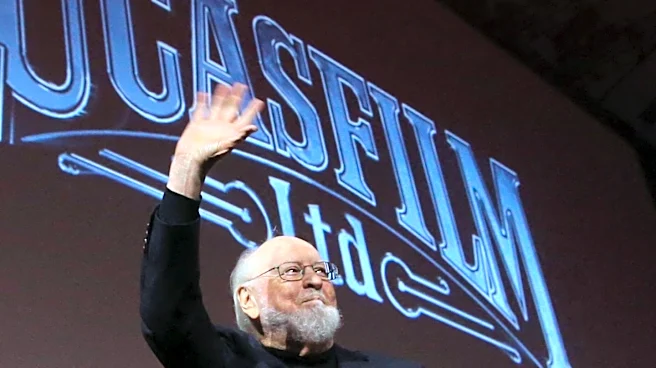
Lucasfilm Ltd., a subsidiary of The Walt Disney Company, has announced a collaboration with Cosm to bring 'Star Wars: A New Hope' to life in a shared reality experience. This initiative is part of the global celebrations planned for the 50th anniversary
of Star Wars in 2027. The original 1977 film will be theatrically re-released as a key component of these events. Lucasfilm, founded in 1971 and headquartered in San Francisco, California, is renowned for its iconic Star Wars and Indiana Jones franchises. The company's business operations span film and television production, animation, visual effects, sound design, and entertainment licensing. This partnership aims to offer fans an immersive experience, inviting them into the 'galaxy far, far away' through advanced shared reality technology.
Why It's Important?
This collaboration signifies a significant move in the entertainment industry, leveraging cutting-edge technology to enhance classic cinematic experiences. For Disney and Lucasfilm, it represents an innovative approach to celebrating a major franchise milestone, potentially attracting new generations of fans while re-engaging existing ones. The re-release of 'Star Wars: A New Hope' in a shared reality format could set a new precedent for how classic films are presented and consumed, influencing future strategies for content distribution and fan engagement across the U.S. entertainment sector. This initiative also highlights the growing importance of technological partnerships in delivering unique and immersive entertainment, potentially driving investment and innovation in shared reality platforms and related technologies.
What's Next?
The theatrical re-release of 'Star Wars: A New Hope' in shared reality is scheduled for 2027, coinciding with the 50th anniversary of the franchise. This event will be part of broader global celebrations, which will also include a new documentary. The success of this shared reality re-release could influence future decisions by Lucasfilm and Disney regarding the re-presentation of other classic films or the development of new content for such platforms. Industry observers will be watching to see how audiences respond to this immersive format and whether it becomes a standard for major cinematic anniversaries or new releases. The collaboration may also spur further technological advancements in shared reality experiences, potentially leading to wider adoption in various entertainment and educational sectors.
Beyond the Headlines
This venture into shared reality for a beloved franchise like Star Wars could have profound implications for the future of storytelling and audience interaction. It blurs the lines between passive viewing and active participation, potentially redefining the cinematic experience. Ethically, it raises questions about the balance between preserving the original artistic intent of a film and enhancing it with new technologies. Culturally, it could deepen the immersive connection fans have with fictional worlds, potentially influencing how narratives are constructed and consumed in the digital age. The move also underscores the ongoing trend of media companies seeking novel ways to monetize their intellectual property and maintain relevance in a rapidly evolving technological landscape, pushing the boundaries of what is possible in entertainment.