





What's Happening?
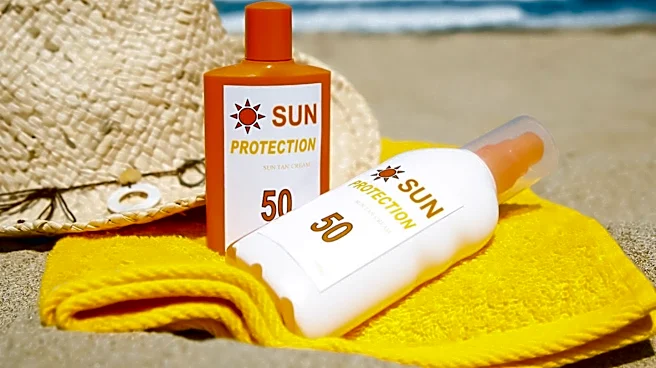
Coola sunscreen sticks, particularly the Mineral Sunscreen Stick SPF 50, are being highlighted for their effectiveness in sun protection during skiing and snow sports. This product utilizes Non-Nano Zinc Oxide to create a physical barrier against the sun.
The discussion also touches upon the difference between SPF 30 and SPF 50, noting that SPF 50 provides a slightly higher level of UVB protection compared to SPF 30. The brand offers various stick formats, including a Clear Sunscreen Stick SPF 30 for easy on-the-go application and a Refreshing Water Hydration Stick SPF 50 that combines sun protection with hydration. These products are recommended for exposed areas like the face, lips, ears, hairline, and neck, which are often vulnerable during winter outdoor activities. The emphasis is on broad-spectrum protection, water resistance, and ease of reapplication, especially when wearing winter gear.
Why It's Important?
The focus on specialized SPF sticks for winter sports underscores a growing awareness of sun protection needs beyond traditional summer activities. This is important for public health, as UV exposure increases at higher altitudes and snow reflects sunlight, intensifying its effects. For the U.S. outdoor recreation industry, particularly ski resorts and winter sports retailers, promoting such products can enhance customer safety and satisfaction, potentially leading to increased sales of related gear. The convenience of stick formats addresses a practical challenge for consumers, making reapplication easier while wearing gloves and other winter attire. This trend could also influence product development in the skincare industry, encouraging more brands to innovate with user-friendly, high-SPF formulations tailored for specific environmental conditions, benefiting consumers seeking effective and convenient sun protection year-round.
What's Next?
Consumers engaging in winter sports are likely to see continued emphasis on the importance of high-SPF, water-resistant sunscreens, particularly in stick formats, for easy reapplication. Skincare brands may further innovate to develop more specialized products catering to the unique demands of cold-weather and high-altitude environments, potentially incorporating additional benefits like enhanced hydration or wind protection. Retailers in outdoor and sports sectors are expected to expand their offerings of such sun protection products, educating consumers on their benefits. There may also be increased public health campaigns from organizations promoting year-round sun safety, highlighting that UV exposure is a concern even in snowy conditions. This could lead to a broader adoption of sun protection practices among winter sports enthusiasts and a more diverse market for specialized SPF products.
Beyond the Headlines
The emphasis on SPF sticks for winter sports reflects a broader shift in consumer understanding of sun damage, moving beyond the traditional association with summer beaches. This highlights a growing recognition that UV radiation poses risks in diverse environments, including snowy mountains where reflection can intensify exposure. Ethically, this trend encourages manufacturers to develop products that genuinely meet specific environmental challenges, rather than offering generic solutions. Culturally, it promotes a more holistic approach to outdoor safety, integrating sun protection as a year-round necessity rather than a seasonal concern. This could lead to long-term behavioral changes, with individuals becoming more proactive about protecting their skin regardless of the season or activity, ultimately contributing to a reduction in sun-related skin conditions and a more informed public regarding dermatological health.