





What's Happening?
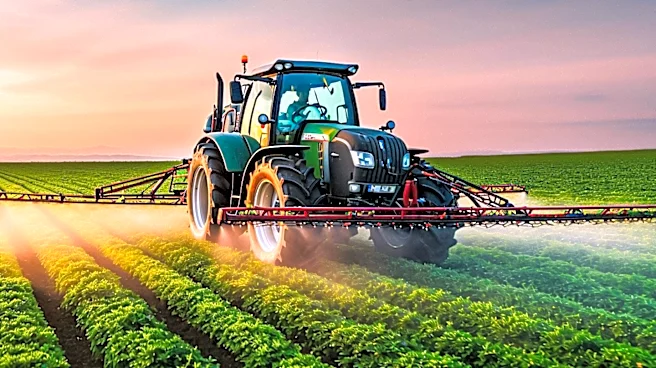
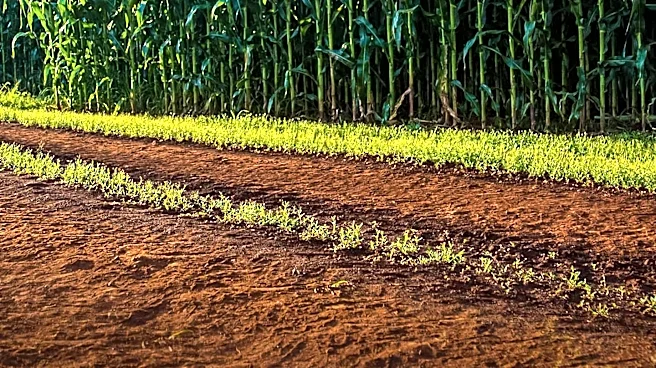
PepsiCo has announced significant progress in its 2030 Positive Agriculture (pep+) goals, focusing on scaling regenerative agriculture and sustainable sourcing. The company has expanded regenerative practices to 4.7 million acres globally, aiming to reach
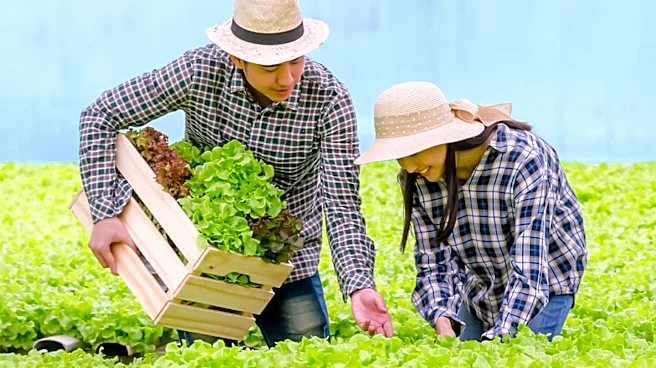
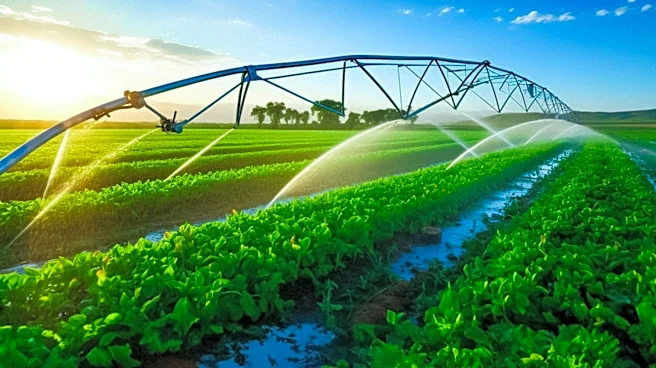
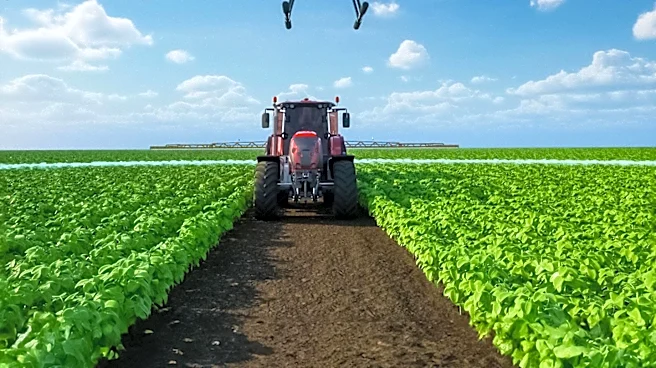
10 million acres by 2030. PepsiCo's efforts include enhancing farmer engagement and landscape-level innovation through collaborations with farmer-focused partners. The company is also working towards sustainably sourcing 90% of its key ingredients by 2030, with 70% already sustainably sourced. PepsiCo's initiatives aim to improve livelihoods, with programs supporting approximately 224,000 people across its agricultural supply chains. The company is investing in innovation, such as precision agriculture tools and climate resilience platforms, to help farmers adapt to climate change and enhance productivity.
Why It's Important?
PepsiCo's progress in sustainable agriculture is significant for the food and beverage industry, as it sets a precedent for large corporations to integrate environmental and social responsibility into their supply chains. By focusing on regenerative agriculture and sustainable sourcing, PepsiCo is contributing to the resilience of farming communities and the broader ecosystem. These efforts can lead to improved food security, reduced environmental impact, and enhanced economic opportunities for farmers. The company's commitment to sustainability aligns with growing consumer demand for environmentally friendly products and practices, potentially boosting its brand reputation and market competitiveness.
What's Next?
PepsiCo plans to continue its focus on building resilience in farming communities and ecosystems through collaboration with stakeholders in its supply chain. The company will work on embedding impact across its positive agriculture initiatives to drive sustained, scalable outcomes. PepsiCo will also report on its progress towards deforestation-related goals later in 2026. As part of its ongoing efforts, PepsiCo will enhance traceability, leverage technology, and strengthen collaborations to achieve its 2030 goals. The company's initiatives may inspire other corporations to adopt similar sustainability practices, contributing to a more sustainable global food system.