









What's Happening?
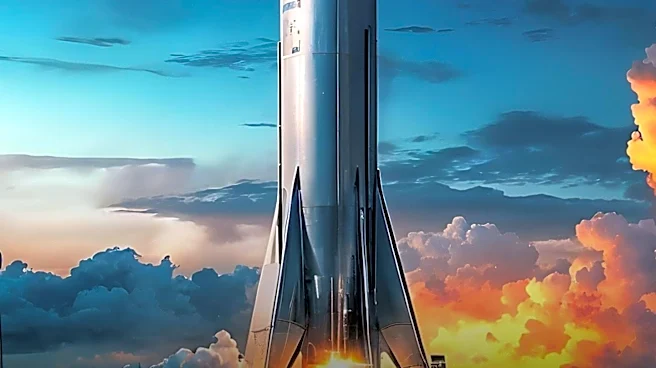
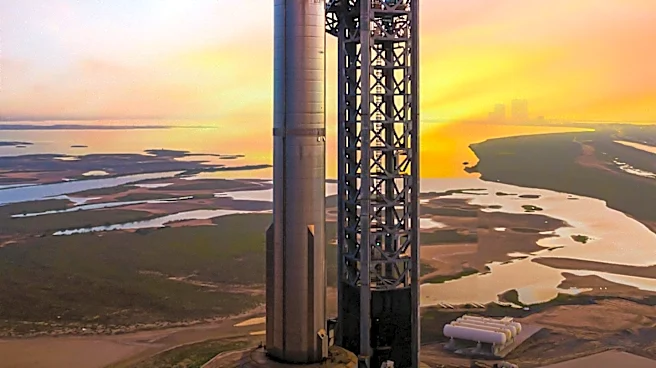
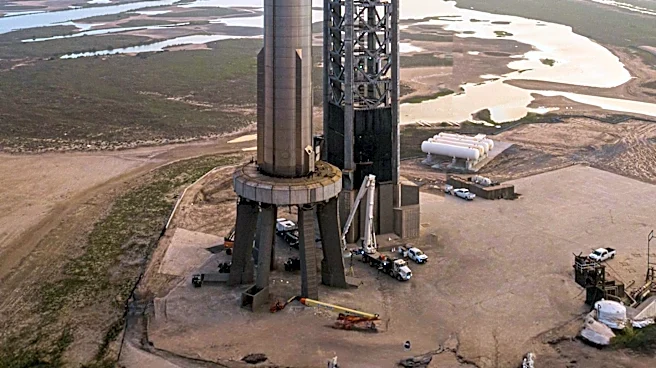
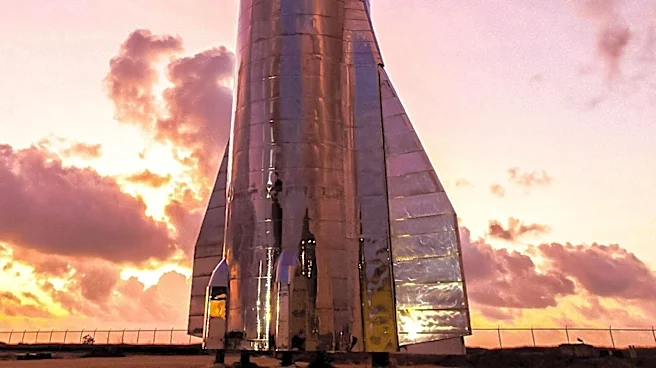
SpaceX is gearing up for its next Starship launch, designated as Flight 13, scheduled for July 16. This mission aims to test improvements made following issues encountered during the previous flight, Flight 12, which took place on May 22. The upcoming
launch will occur from SpaceX's Starbase in Texas and will follow a similar 65-minute suborbital trajectory. Flight 12 experienced a significant issue when the Super Heavy booster failed to perform a controlled splashdown in the Gulf of Mexico. SpaceX identified the problem as stemming from the ignition sequence of the Starship upper stage engines, which affected the booster’s directional control. To address this, SpaceX has modified the startup sequence to enhance timing reliability and directional control. Additionally, hardware modifications have been made to improve engine relight reliability, and updates to engine alarms and aborts have been implemented. Flight 13 will also deploy 20 functioning Starlink V3 satellites, marking a shift from previous missions that used mass simulators.
Why It's Important?
The success of Flight 13 is crucial for SpaceX as it seeks to advance its Starship program, which is integral to deploying the next generation of Starlink satellites and supporting NASA's Artemis lunar exploration campaign. The modifications and improvements tested in this flight could significantly enhance the reliability and performance of future Starship missions. This is particularly important as SpaceX aims to use Starship for a variety of missions, including lunar landings and potentially interplanetary travel. The deployment of functioning Starlink satellites during this mission also underscores SpaceX's commitment to expanding its satellite internet service, which has implications for global internet connectivity and competition in the telecommunications sector.
What's Next?
If Flight 13 is successful, it could pave the way for SpaceX to conduct the first orbital launch of Starship. This would be a significant milestone in the development of the Starship program, potentially accelerating its use for both commercial and governmental purposes. The Federal Aviation Administration (FAA) is currently completing a mishap investigation from Flight 12, which must be resolved before further advancements. The outcome of Flight 13 will likely influence SpaceX's timeline for future launches and its ability to meet contractual obligations with NASA and other partners.