






What's Happening?
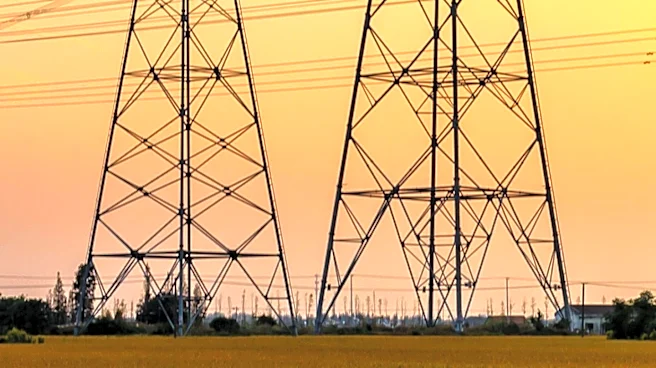
Global spending on power grid modernization is projected to reach $98.5 billion in 2026, with hardware components accounting for 61.7% of this total, according to a forecast by Coherent Market Insights. This hardware-heavy allocation, which includes equipment
like transformers and network reinforcement, is expected to drive the market to $145.2 billion by 2033, growing at a compound annual growth rate of 5.70%. Distribution grid modernization represents the largest segment, making up 55.6% of the 2026 market, with an indicative annual growth rate of 6.2% through 2033. Grid automation and control holds a 28.5% share in 2026, with a 6.7% annual growth rate. North America is anticipated to be the fastest-growing region, with an indicative 7.1% annual growth rate from 2026 to 2033, accounting for 24.2% of global revenue in 2026. This significant reliance on hardware suggests that factory output and supply chain availability will largely dictate the pace of grid upgrades.
Why It's Important?
The substantial allocation of grid modernization funds to hardware has significant implications for U.S. utilities, data center builders, and the broader economy. With hardware growth projected at 5.4% annually, slightly below the overall market rate, and critical components like bushings facing two-year lead times, the pace of infrastructure upgrades could be constrained by manufacturing capacity. This situation could lead to increased competition for high-voltage components, potentially delaying projects and driving up costs. The emphasis on distribution grid modernization, particularly in areas like automation and system hardening, is crucial for improving grid resilience against outages, a growing concern for U.S. consumers and businesses. Furthermore, the direct engagement of data center owners, such as Meta, in securing grid components directly from manufacturers highlights the increasing demand for reliable power infrastructure to support the expanding digital economy.
What's Next?
The continued dominance of hardware in grid modernization spending suggests that equipment reservations will become an integral part of early planning stages for new projects. Manufacturers like Trench Group are already expanding production, with Trench opening its first U.S. plant in Charlotte, North Carolina, in July 2026, to produce dry-type transformer bushings. This expansion, along with Siemens Energy's investment in its Nuremberg transformer factory, indicates efforts to address supply chain bottlenecks. However, the effectiveness of these expansions in meeting demand, especially for the emerging 765-kV build-out, remains to be seen. Utilities will also need to navigate challenges beyond equipment supply, including workforce availability, the complexity of brownfield systems, and customer rate pressure, which could influence the speed at which contracted programs translate into deployed revenue.
Beyond the Headlines
The hardware-centric nature of grid modernization spending underscores a broader shift in infrastructure development, where physical assets are becoming critical bottlenecks. This trend could lead to a re-evaluation of investment strategies, with a greater focus on securing long-term supply agreements and fostering domestic manufacturing capabilities for essential grid components. The increasing integration of software, data management, cybersecurity, and managed services into utility programs, as described by Global Market Insights, suggests a move towards multi-year portfolios that bundle physical upgrades with recurring contracts. This evolution could transform the vendor landscape, favoring companies that can offer comprehensive solutions rather than just individual components. The tension between the need for rapid modernization and the constraints of hardware supply and affordability will likely shape public policy and regulatory decisions in the coming years, potentially leading to incentives for domestic production and supply chain resilience.