








What's Happening?
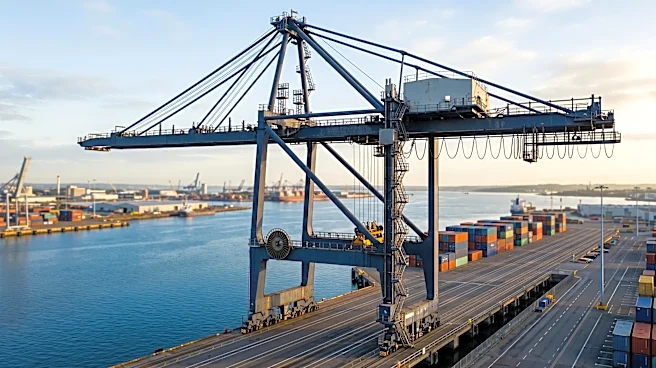
Lloyd's Maritime Institute has introduced a new 3-in-1 Advanced Diploma Programme focusing on Port, Crew Management, and Shipping Operations. This comprehensive program is designed for maritime professionals aiming to enhance their operational knowledge,
management skills, and career opportunities within the shipping and port sectors. Key areas of study include port activities, operational efficiency, coordination in port management, crew coordination, personnel administration, workforce management in crew management, and shipping processes, logistics, and operational management in shipping operations. The program offers a flexible online learning experience, providing industry-relevant knowledge to support professional development and prepare individuals for increased responsibilities in the maritime sector. An exclusive discount is currently available for those interested in enrolling.
Why It's Important?
The maritime industry is a critical component of global trade, and the efficiency of port operations, crew management, and shipping logistics directly impacts the flow of goods and economic stability. This new diploma program addresses a vital need for skilled professionals who can navigate the complexities of modern maritime operations. By offering a consolidated curriculum, the institute helps bridge potential knowledge gaps and fosters a more competent workforce. This is particularly important as the industry faces increasing demands for efficiency, sustainability, and technological integration. A well-trained workforce can lead to reduced operational costs, improved safety standards, and enhanced supply chain reliability, benefiting U.S. businesses involved in international trade and consumers who rely on imported goods.
What's Next?
The program is currently open for registration, with an exclusive discount available to prospective students. Successful completion of the diploma will equip maritime professionals with advanced skills, potentially leading to career advancement and greater responsibilities within the sector. The continuous development of such educational programs suggests an ongoing commitment to professional growth and adaptation within the maritime industry. As more professionals complete this training, it is anticipated that there will be a positive impact on the overall efficiency and resilience of maritime logistics and port operations, both domestically and internationally, influencing U.S. trade partners and supply chains.
Beyond the Headlines
The introduction of specialized educational programs like this reflects a broader trend in the maritime industry towards professionalization and the adoption of best practices. Beyond the immediate benefits of skill enhancement, such initiatives contribute to a culture of continuous learning and operational excellence. This can have long-term implications for the industry's ability to adapt to emerging challenges, such as environmental regulations, technological advancements like automation and AI, and geopolitical shifts affecting trade routes. By investing in human capital, the maritime sector strengthens its foundation, ensuring it remains a robust and reliable pillar of the global economy, which is crucial for U.S. economic interests and national security.