



What's Happening?
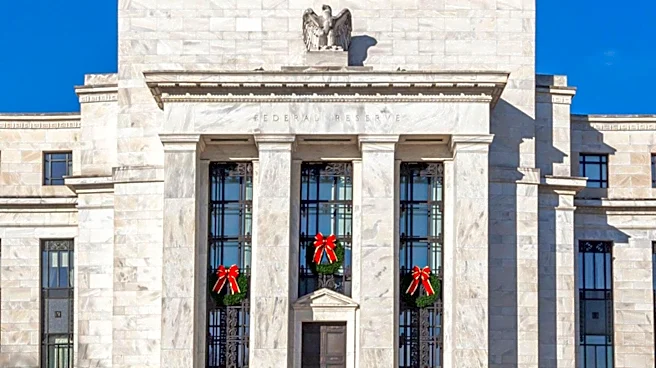
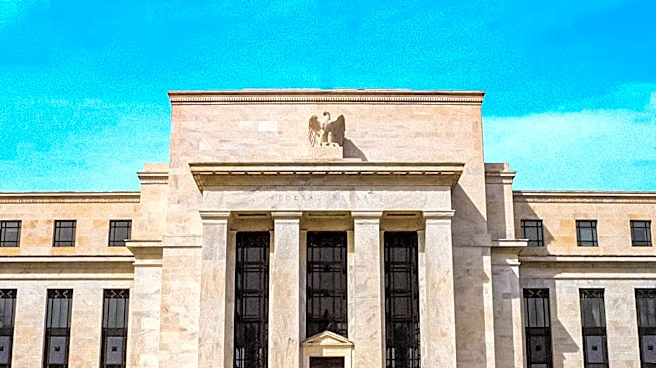
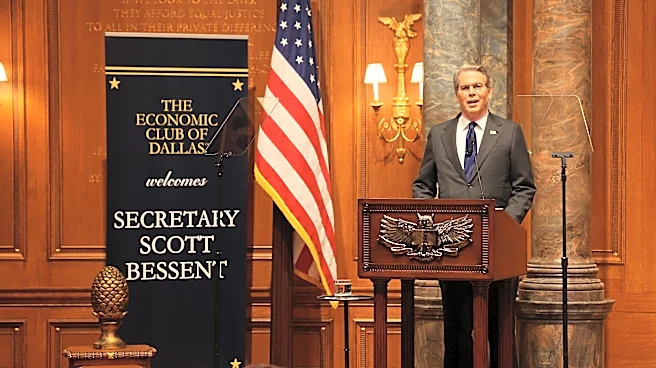
Treasury Secretary Scott Bessent has advised the Federal Reserve against aggressive monetary policy tightening, contributing to the ongoing debate concerning the Fed's December policy decision. This intervention comes as markets have largely anticipated
a 25-basis-point rate increase, while some hawkish policymakers, including Governor Christopher Waller, have suggested a potentially larger 50-basis-point hike. Bessent's comments challenge this more aggressive stance, though they have not yet fundamentally altered market expectations for the upcoming decision. The context for these remarks includes a recent equity market sell-off, which saw Dow Jones futures approach 48,000 points and Nasdaq futures dip below 24,000. Futures for both indices opened higher on Monday, indicating a potential stabilization of sentiment as investors evaluate interest-rate expectations, inflation risks, and technology valuations. Key economic data, such as third-quarter GDP revisions and October's Personal Consumption Expenditures inflation report, are expected this week and will further influence market sentiment.
Why It's Important?
Secretary Bessent's caution against overtightening by the Federal Reserve is significant because it introduces a high-level government perspective into the central bank's decision-making process, potentially influencing the trajectory of U.S. monetary policy. A less aggressive stance from the Fed, as advocated by Bessent, could alleviate pressure on equity markets and potentially prevent a deeper economic correction. This could benefit businesses by maintaining more favorable borrowing conditions and supporting consumer spending. Conversely, a more hawkish approach, favored by some Fed officials, aims to curb inflation more decisively but risks slowing economic growth. The debate highlights the delicate balance the Fed must strike between controlling inflation and supporting economic stability. Lower oil prices, if sustained, could bolster Bessent's argument that energy-driven inflation is subsiding, thereby reducing the need for aggressive rate hikes. The outcome of this debate will directly impact interest rates, investment decisions, and the overall economic outlook for the United States.
What's Next?
The immediate focus will be on the Federal Reserve's December policy decision, where the impact of Secretary Bessent's comments and upcoming economic data will be assessed. Market expectations currently lean towards a 25-basis-point rate increase, but this could shift based on new information. Key economic releases this week, including third-quarter GDP revisions, October's Personal Consumption Expenditures (PCE) inflation report, and the Federal Reserve's Beige Book, will be crucial in shaping market sentiment and the Fed's decision. Corporate earnings reports from companies like Dell and Hewlett Packard Enterprise will offer insights into enterprise technology spending. Additionally, the shortened U.S. trading week due to Thanksgiving and the subsequent Black Friday consumer spending data will provide further indicators of economic health. A deeper equity correction or sustained lower oil prices could revive expectations for the Fed to maintain current rates, while a crude rally would strengthen arguments for tighter policy.
Beyond the Headlines
Secretary Bessent's intervention underscores the inherent tension between fiscal and monetary policy objectives, particularly during periods of economic uncertainty. While the Federal Reserve operates independently, high-profile comments from Treasury officials can signal broader administration priorities and concerns regarding economic growth and market stability. This dynamic can create a complex environment for investors and businesses, as they must weigh both the Fed's stated intentions and potential political pressures. The debate also highlights the ongoing challenge of accurately assessing inflation drivers, particularly the role of energy prices. A misstep in either direction—overtightening or undertightening—could have significant long-term consequences for the U.S. economy, affecting everything from employment rates to the national debt. The interplay between market sentiment, economic data, and official pronouncements will continue to be a critical factor in navigating the current economic landscape.