




What's Happening?
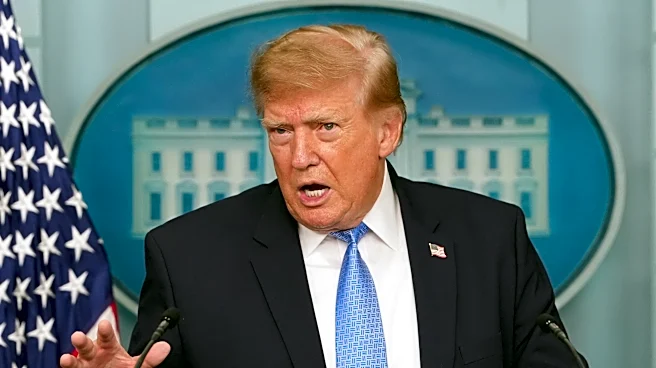
Two African contestants have been forced to withdraw from the Miss Universe competition, scheduled to take place in Puerto Rico, due to U.S. visa restrictions imposed by President Trump's administration. Representatives from Zambia and the Republic of
Congo were unable to secure the necessary travel visas. Additionally, contestants from South Sudan and Zimbabwe are still awaiting their visas, with their participation remaining uncertain despite months of effort. The U.S. has implemented extensive travel restrictions affecting numerous countries, many of which are in Africa, under proclamations issued during President Trump's second administration. These restrictions were expanded in December to include Zambia and Zimbabwe, while a full suspension of entry for nationals of the Republic of Congo and South Sudan remains in effect.
Why It's Important?
The inability of these contestants to participate in the Miss Universe competition due to U.S. visa restrictions highlights the broader impact of immigration policies on international cultural exchange and individual opportunities. For the affected countries, it means their representatives, who often carry the hopes and pride of their nations, are denied a global platform. This situation can also lead to perceptions of unfairness or discrimination, potentially affecting diplomatic relations and cultural ties between the U.S. and these African nations. The Miss Universe competition is a significant international event, and the absence of contestants due to visa issues underscores how political decisions can have far-reaching consequences beyond their intended scope, impacting even non-political spheres like entertainment and cultural representation.
What's Next?
The Miss Universe competition will proceed without the representatives from Zambia and the Republic of Congo, and potentially without those from South Sudan and Zimbabwe if their visas are not granted in time. This incident may prompt discussions about the fairness and impact of U.S. visa policies on international events and cultural exchange programs. Organizers of future international events hosted in the U.S. might need to consider these visa challenges when planning, potentially advocating for special provisions or seeking alternative host countries. For the contestants, this represents a lost opportunity to represent their countries on a global stage, despite their extensive preparations.
Beyond the Headlines
This situation brings to light the complex interplay between national security concerns, immigration policies, and international cultural events. While visa restrictions are often implemented for security or economic reasons, their application can inadvertently affect individuals and sectors far removed from the initial policy's focus. The emotional and symbolic impact on the contestants and their home countries is significant, as these events are often seen as opportunities for national pride and soft diplomacy. It also raises questions about the balance between national sovereignty in setting immigration policies and the desire to foster global participation and cultural understanding.