




What's Happening?
WNBA fans are expressing significant dissatisfaction and anger following the league's decision to include official Kevin Fahy among the referees for the WNBA Finals. This backlash stems from a controversial incident in Game 2 of the semifinals between
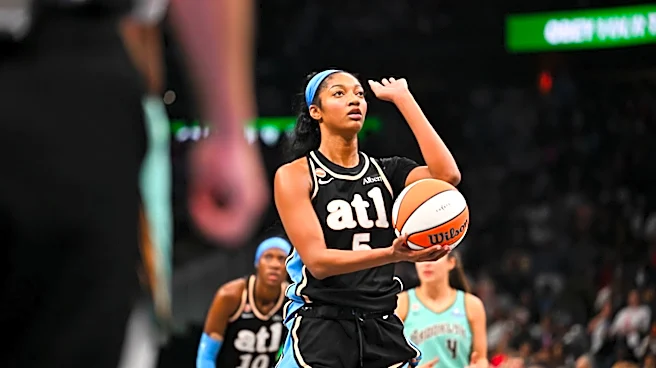
the New York Liberty and the Atlanta Dream. During that game, with just over four seconds left in overtime, Liberty player Breanna Stewart reportedly asked Fahy if her team had a reset timeout remaining. Fahy allegedly responded with a definitive 'no,' despite the Liberty not having used their reset timeout. This miscommunication or error is widely believed by fans to have cost the Liberty a chance to tie the game, leading to their elimination. The WNBA later issued a statement acknowledging that Stewart had asked Fahy about the timeout, but attributed the situation to 'confusion among multiple parties' due to 'overlapping conversations.' Despite the controversy and fan outcry, Bethany Donaphin, Head of WNBA League Operations, defended the selection of all 14 officials, stating they 'earned the right to represent the WNBA' on the Finals stage.
Why It's Important?
The controversy surrounding Kevin Fahy's selection for the WNBA Finals highlights a broader issue of officiating scrutiny within the league, which has been a recurring concern for coaches, players, and fans alike. This incident could further erode fan trust and confidence in the WNBA's officiating integrity, especially as the league strives to grow its audience and be taken more seriously. The decision to include an official directly linked to a high-profile, game-altering error in the semifinals for the championship series sends a message that, to some fans, prioritizes internal processes over perceived fairness and accountability. This could impact viewership and engagement, as fans may feel that the outcomes of games are unduly influenced by officiating rather than pure athletic competition. The league's response, attributing the incident to 'confusion,' has not appeased the fanbase, suggesting a disconnect between the league office and its supporters regarding transparency and accountability in critical game situations.
What's Next?
The WNBA Finals will proceed with Kevin Fahy as one of the selected officials, despite the ongoing fan outrage. This decision is likely to keep officiating under an even brighter spotlight throughout the championship series, with every call and non-call potentially scrutinized more intensely by fans and media. The league may face continued pressure to address officiating standards and transparency more comprehensively in the future, possibly leading to reviews of communication protocols between officials and players, or changes in how officials are evaluated and assigned for high-stakes games. The controversy could also fuel further discussions among players and coaches about the consistency and quality of officiating, potentially leading to calls for more robust training or accountability measures for referees in subsequent seasons. The immediate focus, however, will be on the Finals themselves, with the shadow of this officiating dispute lingering over the games.
Beyond the Headlines
This incident transcends a simple officiating error, touching upon the ethical dimensions of professional sports and the perceived integrity of competition. The WNBA's decision to stand by an official involved in a widely criticized, game-changing blunder raises questions about the league's commitment to maintaining public trust and ensuring fair play. It highlights the delicate balance between supporting league personnel and responding to legitimate concerns from the fanbase. The long-term implications could include a more cynical view of WNBA outcomes by some segments of the audience, potentially affecting the league's narrative and its efforts to elevate its status in the broader sports landscape. Furthermore, the incident underscores the power of social media in amplifying fan discontent and holding sports organizations accountable, forcing leagues to confront public perception in an immediate and impactful way. The controversy also draws parallels to similar officiating debates in other major sports, suggesting a systemic challenge in managing the human element of officiating in high-pressure professional environments.