





What's Happening?
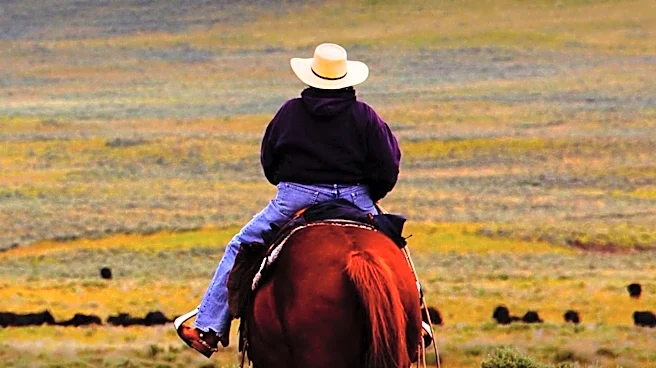
Montana ranchers, led by figures like Jeanie Alderson, are advocating for the reinstatement of mandatory country-of-origin labeling (mCOOL) for beef and pork. This policy, repealed in 2015, required retail products to indicate where the meat was raised
and slaughtered. Proponents argue that mCOOL would benefit domestic ranchers by allowing consumers to choose American beef over imported products, potentially boosting local revenues. However, critics, including agricultural economist Darrell Peel, argue that the policy previously failed to benefit consumers or producers and increased costs for the meat industry. The debate continues as some Montana lawmakers, including U.S. Rep. Ryan Zinke, support the policy's reinstatement.
Why It's Important?
The push for mCOOL reflects ongoing tensions between domestic agricultural interests and international trade dynamics. For Montana ranchers, reinstating mCOOL could mean higher prices for their products and increased market transparency. However, the policy's potential economic impact is contentious, with critics warning of increased costs and potential trade disputes. The outcome of this debate could influence U.S. agricultural policy and trade relations, particularly with countries like Canada and Mexico, which previously challenged mCOOL at the World Trade Organization. The decision could also affect consumer prices and the competitiveness of U.S. meat products in global markets.
What's Next?
The future of mCOOL will likely depend on legislative action and the ability of its proponents to address economic and trade concerns. If reinstated, the policy could face challenges from international trade partners and require adjustments to comply with global trade rules. The debate may also influence upcoming elections, as candidates take positions on agricultural policy to appeal to rural voters. Continued advocacy from ranchers and agricultural groups will be crucial in shaping the policy's trajectory.