





What's Happening?
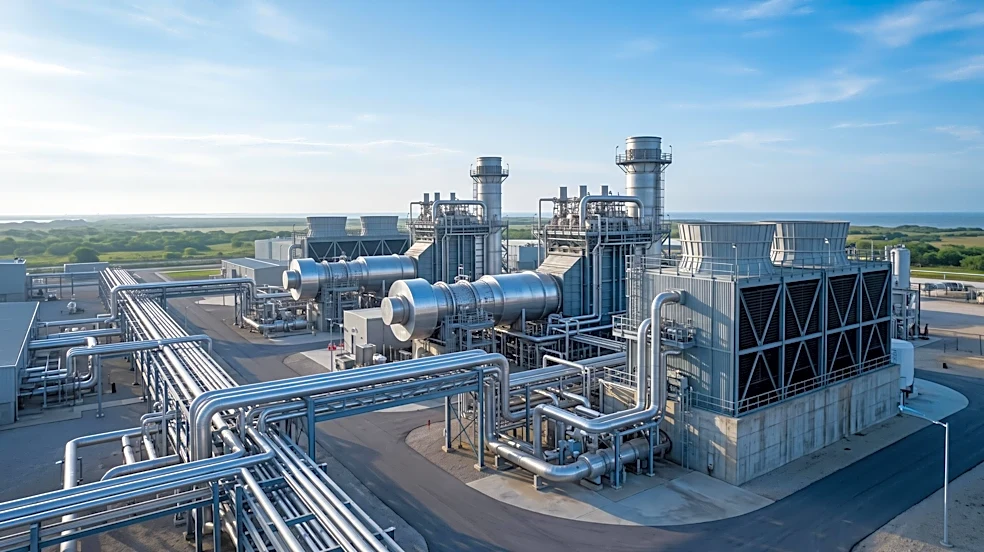
Entergy Texas has officially commissioned its 1,215 MW Orange County Advanced Power Station (OCAPS), a combined-cycle gas-fired power plant, into commercial service. This new facility is designed to provide dispatchable generation capacity to address
the increasing electricity demand and enhance grid reliability in Southeast Texas. The plant's technology allows it to adjust output in response to fluctuating demand, particularly during peak consumption periods in summer and winter. It also captures waste heat to generate additional electricity, improving fuel efficiency compared to older generation methods. The commissioning of OCAPS is a key component of Entergy Texas's broader Southeast Texas Energy Plan, known as STEP Ahead, which includes significant investments in generation, transmission infrastructure, and other grid improvements aimed at strengthening reliability and resilience.
Why It's Important?
The commissioning of the OCAPS plant is crucial for meeting the projected 13% growth in electricity use across Entergy Texas's service area between 2024 and 2028, driven by population growth and new commercial and industrial development. Located in the Golden Triangle area, a region frequently exposed to severe weather events like hurricanes and winter storms, the plant significantly bolsters the grid's resilience and ability to provide reliable service. Entergy Texas estimates that OCAPS could generate over $1 billion in customer savings over time through reduced fuel and operating costs, although a specific timeframe and detailed assumptions for this estimate were not provided. This investment underscores the utility's commitment to providing safe, reliable, and cost-effective power to its customers, while also supporting regional economic expansion and stability.
Beyond the Headlines
The strategic placement of the OCAPS plant in a weather-vulnerable region highlights a broader trend in utility infrastructure development: prioritizing resilience against extreme weather events. As climate patterns become more unpredictable, utilities are increasingly investing in robust and flexible generation assets that can withstand and respond to disruptions. The combined-cycle technology, which improves fuel efficiency by capturing waste heat, also reflects an industry-wide push towards more sustainable and economically viable energy production methods, even within the context of natural gas. This project illustrates the complex balance utilities must strike between meeting growing energy demands, ensuring grid stability, and managing costs for consumers, all while navigating environmental considerations and the increasing frequency of severe weather.