





What's Happening?
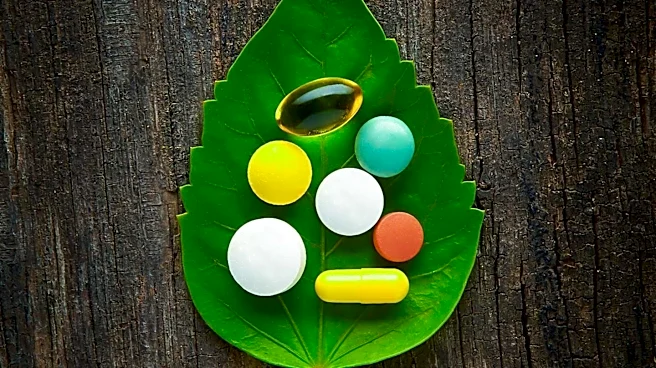
Mushroom supplements are being promoted on social media and by advertisers for various health benefits, including slowing aging, improving energy levels, focus, and immune health. Specific types like lion's mane are suggested to aid cognition, while reishi
and turkey tail are believed to bolster immune health. However, according to registered dietitian Abby Langer, robust clinical trials proving these connections and their safety are largely lacking. While some empirical support for the potential positive impacts of mushrooms is growing, the clinical research on specific functional mushroom products is still in its early stages. Julie Daoust, Vice President of Science and Innovation at Monterey Nutra, notes that mushrooms share more biochemical similarities with humans than plants, suggesting a higher potential for bioactive compounds relevant to human health.
Why It's Important?
The proliferation of health claims surrounding mushroom supplements, particularly on social media, poses a significant challenge for consumers seeking reliable health information. Without robust clinical evidence, individuals may invest in products that offer little to no proven benefit, potentially delaying or replacing effective medical treatments. The lack of established dosing and safety data also raises concerns about potential side effects or interactions with other medications. While traditional uses of mushrooms in certain cultures exist, this does not automatically validate their efficacy or safety in a modern supplement context. This situation highlights the critical need for rigorous scientific research to substantiate health claims and for consumers to exercise caution and consult healthcare professionals before incorporating such supplements into their regimen.
Beyond the Headlines
The debate around mushroom supplements reflects a broader trend in the wellness industry where natural products are often marketed with extensive claims before undergoing thorough scientific scrutiny. This phenomenon is exacerbated by social media, which can quickly amplify unverified information. The challenge lies in balancing traditional knowledge and anecdotal evidence with the scientific rigor required for modern medicine. For the U.S. market, this raises questions about regulatory oversight for dietary supplements, which are not subject to the same stringent approval processes as pharmaceutical drugs. Ensuring consumer safety and informed choices necessitates clearer guidelines, increased funding for research into natural compounds, and improved public education on evaluating health claims, particularly those found online.