




What's Happening?
According to Local 4 Lifestyle Editor Jon Jordan, home decor is fundamentally a quality-of-life issue, with its impact extending beyond mere physical comfort to influence mood and sense of self. Jordan categorizes home design into four primary styles:
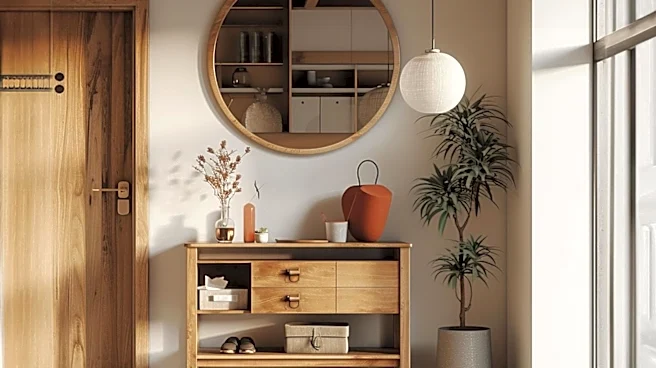
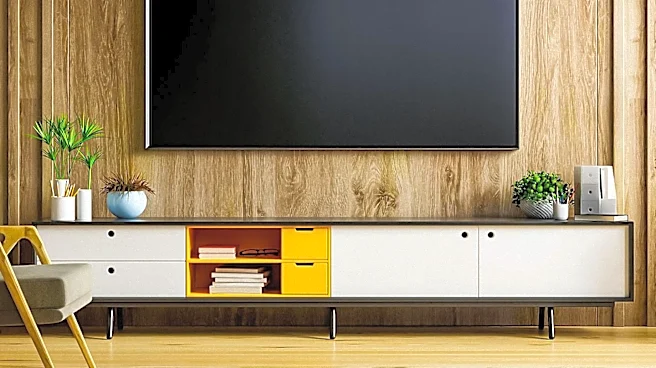
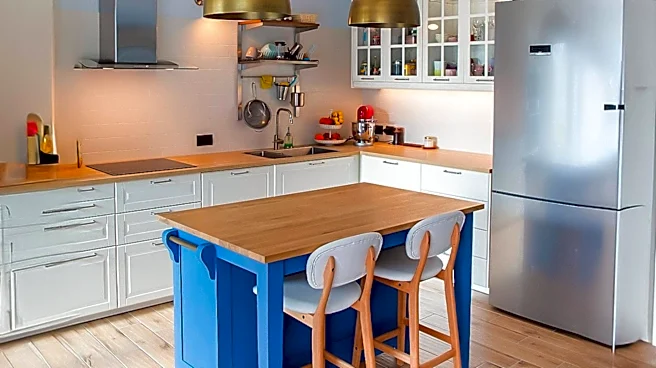
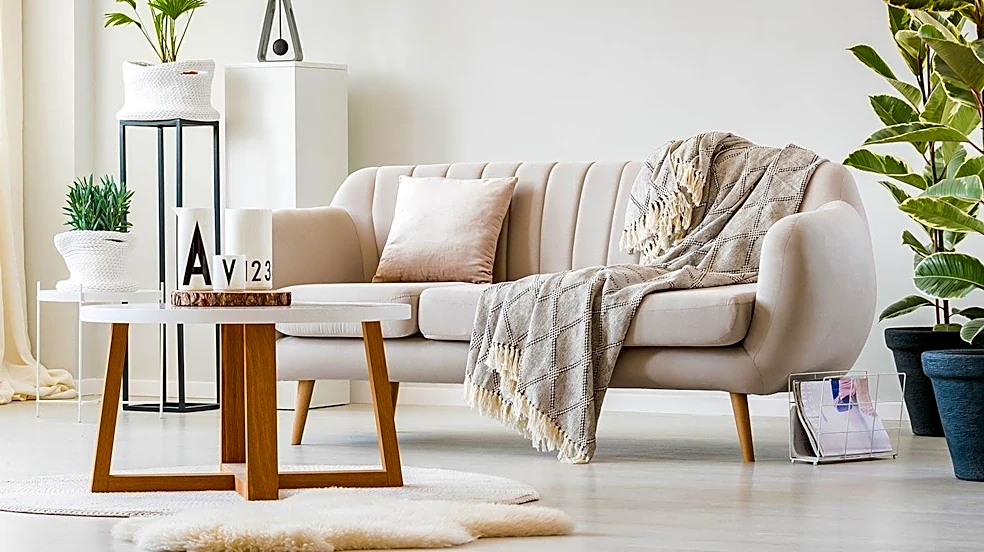
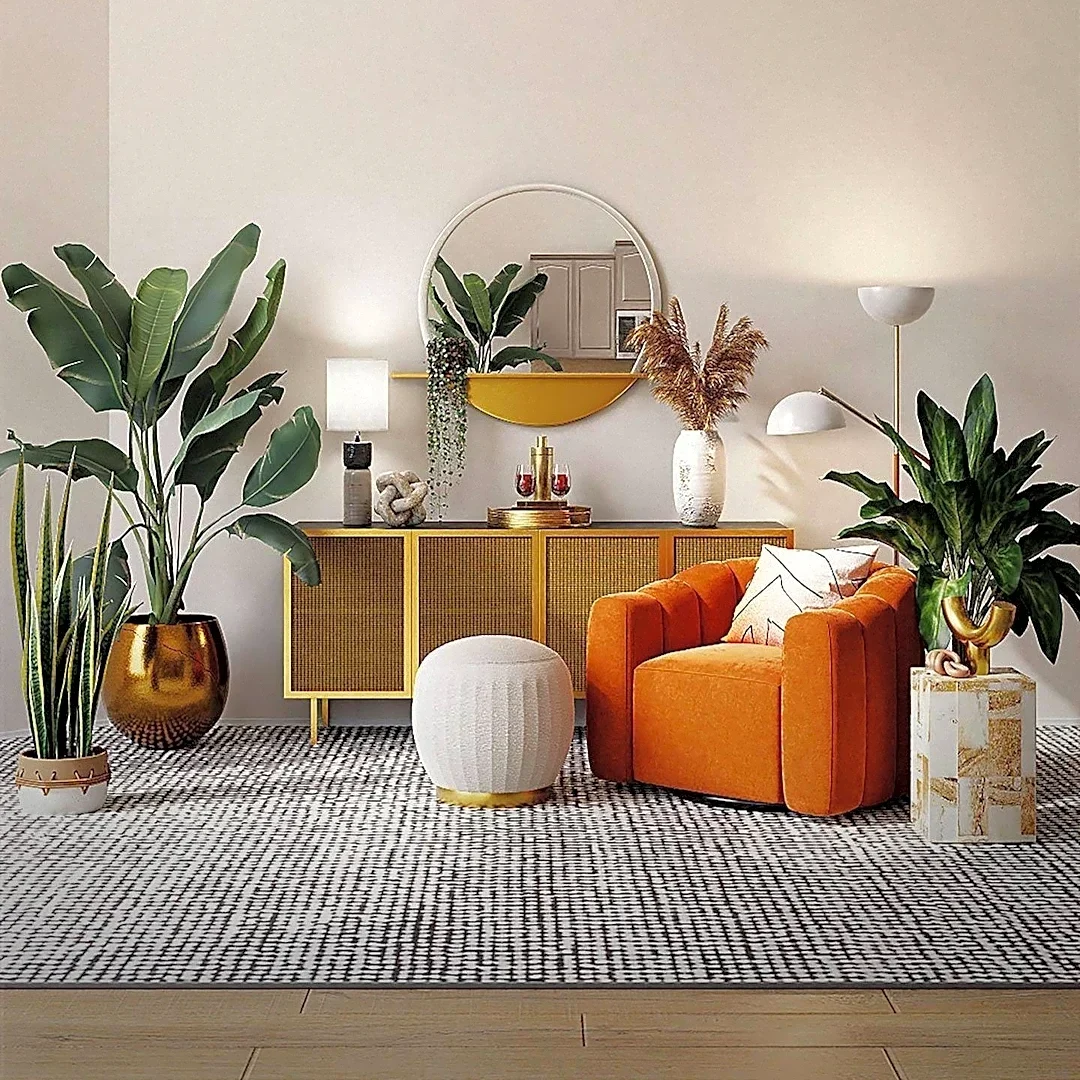
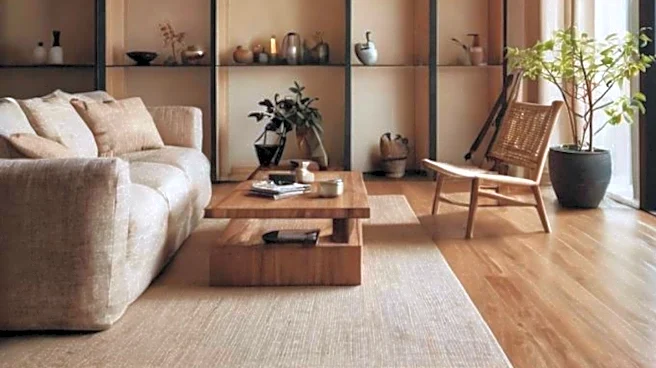
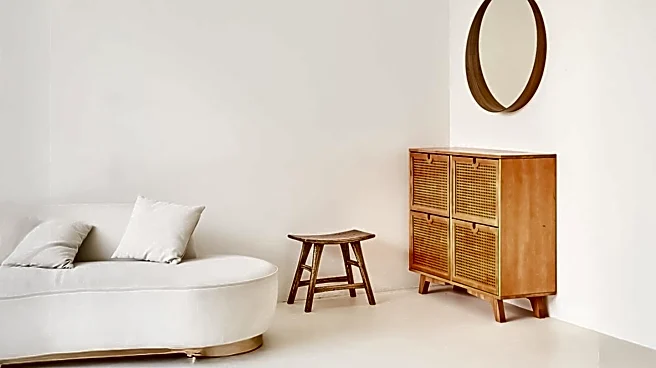
traditional, modern, transitional, and eclectic. Traditional style is characterized by soft colors and intricate details, such as skirted upholstery and painted furniture. Modern design favors minimalism, abstract art, and simple shapes, with 'New Deco' emerging as a contemporary trend. Transitional style blends modern geometric elements with traditional warmth, while eclectic style combines various elements into what Jordan describes as a 'highly edited mishmash.' Jordan emphasizes that achieving a visually appealing, 'magazine-worthy' look does not necessitate a large budget, citing his own experience of refinishing chairs with minimal tools as an example.
Why It's Important?
This perspective highlights the significant psychological and emotional impact of living spaces on individuals, underscoring that home environments are not just functional but are crucial for well-being. For U.S. consumers, understanding these design styles and their affordability can empower them to create more supportive and aesthetically pleasing homes without financial strain. The emphasis on budget-friendly transformations, as demonstrated by Jordan's example, challenges the notion that good design is exclusive to the wealthy, making quality home environments accessible to a broader demographic. This could stimulate the market for DIY products, second-hand furniture, and design services that prioritize cost-effectiveness, potentially shifting consumer spending patterns in the home improvement sector. Furthermore, it reinforces the idea that personalizing one's living space is an investment in mental and emotional health.
What's Next?
Given the expert's insights, there is likely to be a continued focus on accessible and impactful home decor solutions. Consumers may increasingly seek out resources and products that enable them to implement these design styles affordably. This could lead to a rise in popularity for online tutorials, workshops, and retail offerings that cater to budget-conscious home decorators. The design industry might also see an increased demand for versatile and customizable furniture pieces that can adapt to different styles. Furthermore, as the connection between home environment and well-being becomes more widely recognized, there could be a greater emphasis on interior design as a component of holistic health and lifestyle practices, influencing how homes are marketed and designed in the future.
Beyond the Headlines
The assertion that home decor is a quality-of-life issue delves into the deeper psychological and sociological aspects of living spaces. It suggests that our homes are extensions of our identities and play a critical role in shaping our daily experiences and emotional states. This perspective challenges the purely utilitarian view of housing, elevating it to a realm of personal expression and psychological sanctuary. Culturally, it reflects a growing awareness of the importance of personal space in an increasingly complex world, where the home serves as a refuge and a source of stability. Ethically, it raises questions about equitable access to aesthetically pleasing and comfortable living conditions, prompting discussions on how design principles can be applied to improve housing for all socioeconomic levels, not just those with disposable income for professional decorators.