









What's Happening?
The U.S. annual inflation rate cooled to 3.5% in June, down from 4.2% in May, according to the latest consumer price index data from the Bureau of Labor Statistics. This decrease was more significant than economists' expectations of a 3.8% rate. The decline
is attributed to a reduction in energy prices, which fell 5.7% over the month, and gas prices, which dropped 9.7%. The easing of energy prices follows a period of volatility due to geopolitical tensions in the Persian Gulf. Core CPI, excluding food and energy, remained flat over the month.
Why It's Important?
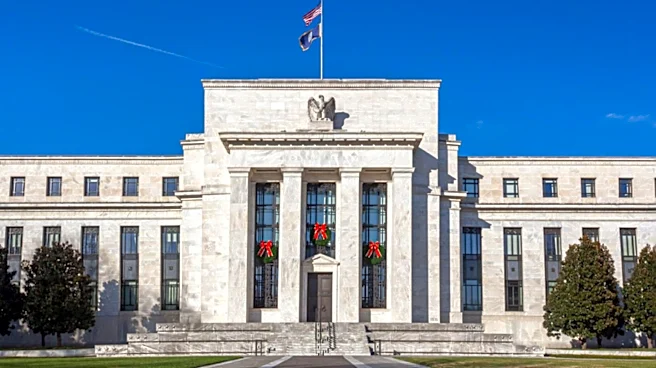
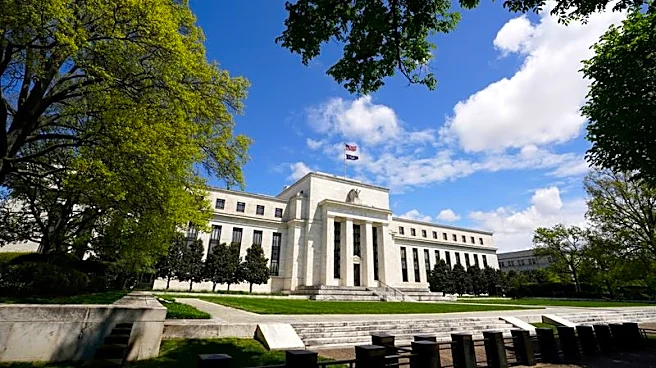
The cooling inflation rate is significant as it impacts economic policy and consumer behavior. Lower inflation can relieve pressure on household budgets, particularly for lower- and middle-income families who have been struggling with rising costs. For the Federal Reserve, this data provides a basis for potentially holding interest rates steady, as indicated by an 83% chance of no rate change according to CME FedWatch. The report also affects financial markets, with stocks reacting positively to the news, suggesting investor confidence in a stable economic outlook.
What's Next?
The Federal Reserve will consider this inflation data in its upcoming interest rate decision at the end of July. While the current data suggests a hold on rate hikes, ongoing geopolitical tensions and potential fluctuations in energy prices could influence future decisions. Additionally, the labor market's performance, with only 57,000 jobs added recently, will be a critical factor in the Fed's assessment of economic health. Stakeholders will be monitoring these developments closely to gauge the direction of U.S. monetary policy.