






What's Happening?
Aquaculture leaders in New Hampshire, including Becky Heidt of Burton Shrimp Company, Inga Potter of Cold Current Kelp, Joe Rankin of Hidden Coast Shellfish, and David Fredriksson from the University of New Hampshire, recently convened to discuss the state
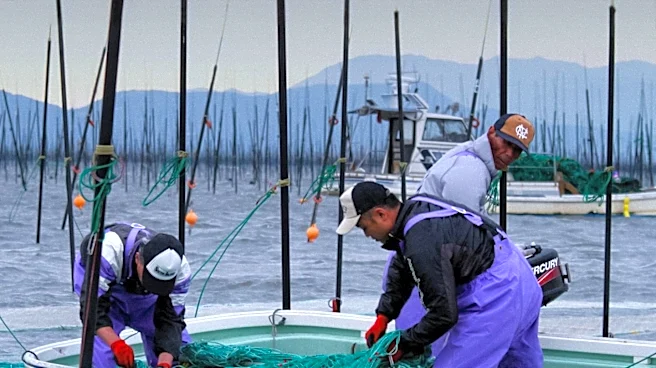
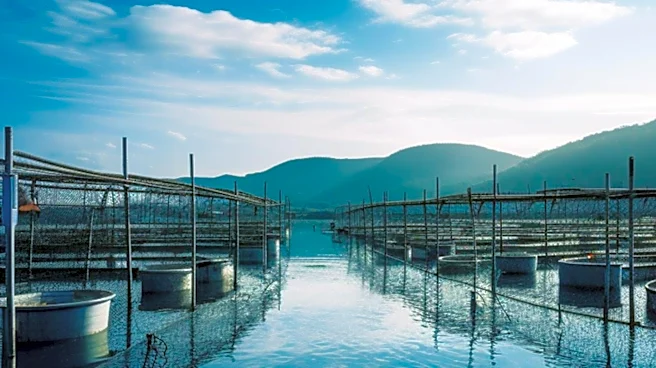
of the industry. The discussion highlighted the rapid growth of aquaculture globally and in New Hampshire, particularly in oyster farming, which has seen significant expansion in the last 10 to 15 years. Becky Heidt noted that Burton Shrimp Company is the first shrimp farm in New Hampshire, utilizing recirculating aquaculture systems in an inland warehouse. Inga Potter emphasized the diverse applications of kelp beyond food, including biomaterials and skincare, and the environmental benefits of kelp farming. Joe Rankin discussed the challenges of infrastructure and regulation in oyster farming, while David Fredriksson detailed UNH's research in offshore aquaculture, including the AquaFort project, which combines steelhead trout, mussels, and seaweeds in an integrated multi-trophic aquaculture system. The panel collectively stressed the importance of education, partnerships, and innovation for the future of aquaculture in the region.
Why It's Important?
The insights from New Hampshire's aquaculture leaders are crucial for understanding the trajectory of sustainable seafood production in the U.S. The industry's growth offers a potential solution to the nation's reliance on imported seafood, which currently stands at $20 billion annually. By developing local aquaculture, the U.S. can enhance food security, create jobs, and reduce its carbon footprint associated with long-distance transportation of seafood. The innovative approaches discussed, such as inland shrimp farming and kelp-based products, demonstrate how the industry is adapting to environmental and spatial constraints. Furthermore, the emphasis on ecosystem-based aquaculture, like the AquaFort, showcases efforts to make farming practices environmentally beneficial, addressing concerns about pollution and sustainability. The discussion also underscores the need for supportive infrastructure, streamlined regulations, and public education to foster continued growth and acceptance of aquaculture products.
What's Next?
The future of aquaculture in New Hampshire and the broader U.S. will likely involve continued efforts to expand sustainable farming practices and diversify product offerings. The University of New Hampshire's recent $13.5 million funding for aquaculture research, though spread nationally, will support initiatives aimed at growing domestic seafood. This funding, combined with ongoing collaborations between academic institutions and private enterprises, is expected to drive innovation in areas such as hatchery development, disease management, and efficient farming technologies. There is also a push for 'recreational aquaculture' to encourage public engagement and understanding of the industry. Addressing infrastructure limitations, particularly for hatcheries and processing facilities, will be critical. Educational campaigns are anticipated to increase consumer awareness and acceptance of locally farmed seafood, fostering a stronger market for these products.
Beyond the Headlines
The conversation among New Hampshire's aquaculture leaders reveals a deeper narrative about the evolving relationship between humans and their environment, particularly in food production. The shift towards sustainable, localized aquaculture reflects a growing recognition of the ecological and economic benefits of responsible resource management. The exploration of kelp for biomaterials and skincare, for instance, highlights a move beyond traditional food applications, tapping into the broader bioeconomy. This diversification not only creates new markets but also leverages the environmental benefits of kelp, such as carbon sequestration and ocean de-acidification. The challenges discussed, such as regulatory hurdles and the need for public education, point to the societal and political dimensions of integrating new food systems. Ultimately, the success of aquaculture in New Hampshire could serve as a model for other regions, demonstrating how innovation, community engagement, and environmental stewardship can converge to create a resilient and sustainable food future.