
What's Happening?
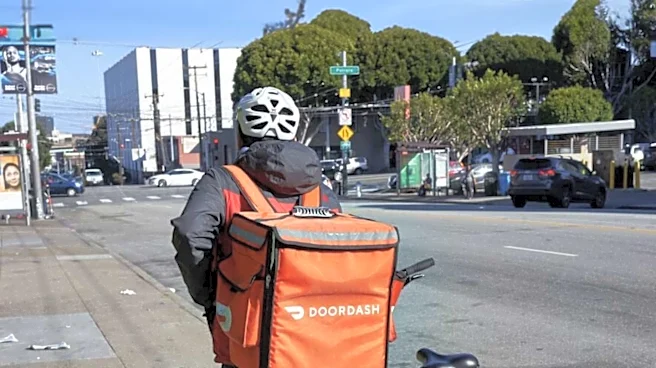
DoorDash, a dominant force in the U.S. restaurant delivery market, has announced a planned $17 billion acquisition of grocery delivery service Instacart. This deal would significantly expand DoorDash's
market share among restaurant and grocery delivery apps from 59% to 77%, according to third-quarter spending data from Consumer Edge, placing it far ahead of its closest competitor, Uber Eats, which holds an 18% share. The Justice Department is currently reviewing the acquisition to assess its potential impact on grocery competition and prices. DoorDash currently partners with over 600,000 businesses in the U.S., primarily restaurants, and its gross order volume grew 27% year over year in 2025, exceeding $102 billion. The company states that integrating Instacart will provide small, local grocers with access to advanced tools and technology, aiming to level the playing field within the grocery industry. The acquisition also intends to list restaurants on the Instacart app and grocers on the DoorDash app, increasing visibility for these businesses.
Why It's Important?
This acquisition carries significant implications for the U.S. restaurant industry and the broader delivery market. A more dominant DoorDash could lead to increased commission rates for restaurants, as consolidation typically reduces competition and tends to drive up prices, according to Jodi Bernhard, CEO of Figure 8, a company assisting restaurants with delivery provider contract negotiations. Restaurants are expressing a sense of unease regarding the potential for a single entity to wield such substantial power over their delivery operations. The Independent Restaurant Coalition has urged regulators to consider how Instacart's added scale, data, and advertising reach might affect the terms independent restaurants are compelled to accept from DoorDash. While some restaurants hope the combined platform will attract new customers by exposing them to Instacart's 25 million annual users, others are skeptical about the incremental customer growth and worry about increased competition from grocery stores listed on the DoorDash app. The deal also raises questions about consumer choice and potential price impacts in both restaurant and grocery delivery sectors.
What's Next?
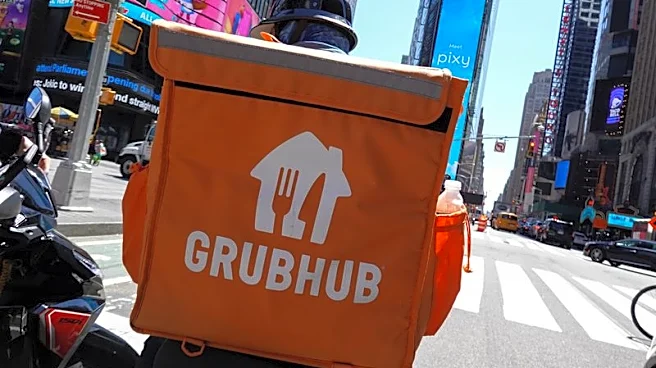
The proposed acquisition is currently under review by the Justice Department, which will determine its impact on competition and prices in the grocery market. Restaurants are advised to proactively engage in rate negotiations with delivery apps and openly communicate their concerns about market consolidation. The outcome of this deal could influence future strategies for restaurants regarding their reliance on third-party delivery services. Additionally, the integration of DashPass and Instacart+ membership programs into a single subscription is planned, which could alter customer loyalty and engagement across both platforms. The broader delivery market is also experiencing a wave of consolidation, with Uber acquiring ezCater and reports of Wonder exploring a sale of Grubhub, suggesting further shifts in the competitive landscape are likely. The availability and efficiency of delivery drivers, potentially enhanced by combining DoorDash's over 1 million Dashers and Instacart's 600,000 shoppers, will be a key factor in the operational success and customer experience of the merged entity.
Beyond the Headlines
The DoorDash-Instacart merger highlights a growing trend of market concentration within the gig economy and delivery services, raising ethical and economic questions about monopolies and their impact on small businesses. The increased data aggregation from both restaurant and grocery ordering behaviors could provide DoorDash with unprecedented insights into consumer habits, potentially leading to more targeted advertising and personalized pricing strategies. This level of market control could further entrench third-party delivery services as indispensable intermediaries, potentially limiting restaurants' direct relationships with their customers and their ability to control pricing and service quality. The deal also blurs the lines between restaurant and grocery delivery, creating a more integrated food delivery ecosystem where consumers might increasingly rely on a single app for all their food needs. This shift could intensify competition between restaurants and grocery stores for consumer spending on prepared meals versus ingredients, fundamentally altering the food service landscape.