

What's Happening?
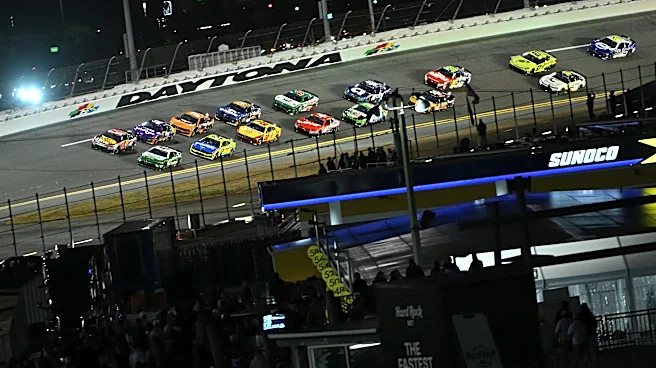
Christopher Bell, driver of the #20 Rheem Toyota for Joe Gibbs Racing, finished 17th in the NASCAR Cup Series Coke Zero Sugar 400 at Daytona International Speedway. Despite this result, Bell successfully secured the sixth seed for The Chase, NASCAR's
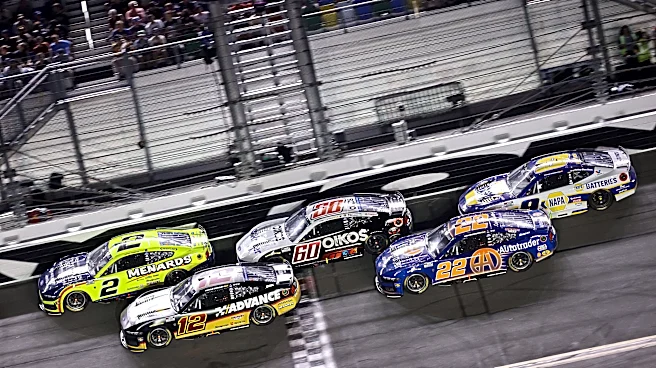
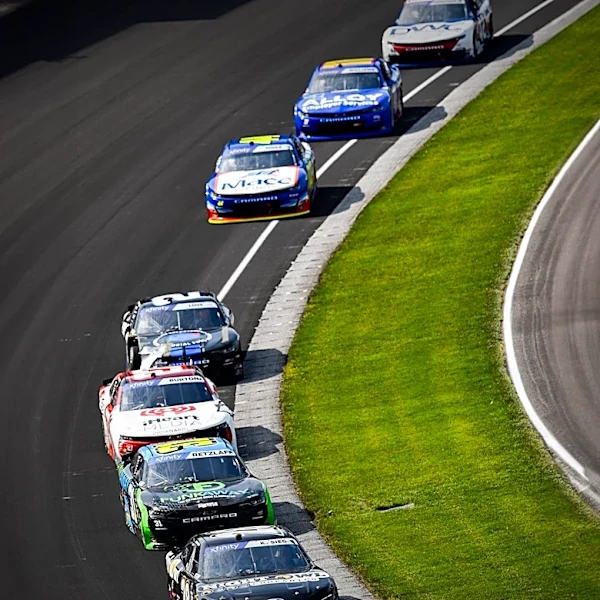
10-race playoff series. Bell expressed significant frustration with NASCAR's new superspeedway package, which was implemented for the Daytona race. The package included a reduction in the rear spoiler from seven inches to four inches and a decrease in engine output from 510 to 465 horsepower. These changes were intended to reduce drag, create more separation between cars, and limit fuel-saving strategies. However, Bell stated that the modifications did not produce the expected outcomes, with cars remaining tightly grouped and the lower horsepower potentially exacerbating fuel-saving issues. He noted that the car drove 'the exact same' and that the race was 'arguably worse' due to increased fuel saving requirements.
Why It's Important?
The performance of NASCAR's new superspeedway package at Daytona is important for the future direction of the sport's technical regulations and race strategy. Driver feedback, particularly from experienced competitors like Christopher Bell, directly influences how NASCAR evaluates and potentially modifies its rules. If the new package fails to achieve its stated goals of improving racing dynamics and reducing fuel-saving, it could lead to further adjustments, impacting team strategies, car development, and the overall spectacle for fans. Bell's comments highlight a potential disconnect between NASCAR's intentions and the on-track reality, suggesting that the changes may have inadvertently created new challenges rather than solving existing ones. The upcoming races, especially at Talladega Superspeedway where the same package will be used, will be crucial tests for these new regulations and will determine if NASCAR needs to re-evaluate its approach to superspeedway racing.
What's Next?
The 10-race playoff, known as The Chase, is set to begin next week at Darlington Raceway. Christopher Bell, as the sixth seed, will be competing for the Cup Series title. The same superspeedway package that drew criticism from Bell at Daytona is scheduled to be used again at Talladega Superspeedway in October, which falls within The Chase. This means drivers and teams will need to adapt to the package's characteristics, including the fuel-saving challenges and lack of car separation, in a high-stakes playoff environment. NASCAR will likely be closely monitoring the performance and feedback from drivers and teams during these upcoming races to determine if further adjustments to the superspeedway package are necessary for future seasons. Bell remains optimistic about his chances in The Chase format, despite his dissatisfaction with the Daytona package.
Beyond the Headlines
The ongoing debate and driver dissatisfaction regarding NASCAR's technical packages, particularly for superspeedways, point to a broader challenge in motorsports: balancing competitive parity, safety, and entertainment value. The attempt to reduce drag and limit fuel saving through rule changes reflects NASCAR's continuous effort to enhance the racing product. However, Bell's experience suggests that unintended consequences, such as increased fuel management and gridlocked racing, can arise. This highlights the complex interplay between engineering, driver skill, and regulatory oversight in professional racing. The long-term implications could involve a re-evaluation of how NASCAR designs its technical rules, potentially leading to more collaborative development processes with teams and drivers to ensure that changes genuinely improve the sport without compromising its integrity or excitement.