



What's Happening?
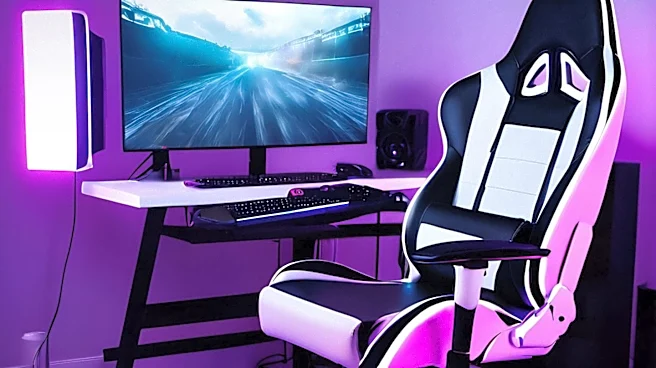
Many homeowners are transforming their living rooms into versatile spaces that accommodate gaming, streaming, and daily activities. This shift is driven by the increasing integration of technology into home life, requiring rooms to serve multiple functions,
such as a gaming hub on one night and a family gathering space on another. The challenge lies in creating an environment that supports various technological setups without allowing the equipment to dominate the room's aesthetic or comfort. Key considerations include optimizing furniture layout for viewing comfort, selecting multipurpose furniture pieces, and implementing effective storage solutions for controllers, remotes, and cables. The goal is to ensure the living room remains comfortable and functional even when screens are off, reflecting a balance between entertainment needs and general living.
Why It's Important?
This trend reflects a significant evolution in how U.S. households utilize their living spaces, moving beyond traditional single-purpose rooms. It highlights a growing demand for adaptable home environments that can seamlessly transition between leisure, entertainment, and social functions. For the furniture and home decor industries, this means a greater emphasis on modular, versatile, and aesthetically pleasing pieces that offer integrated storage and ergonomic comfort. Technology manufacturers are also impacted, as the design of gaming consoles, streaming devices, and related accessories needs to consider integration into diverse living room aesthetics. This shift underscores a broader societal move towards maximizing space utility in homes, particularly in urban areas where living spaces may be more compact, influencing consumer purchasing decisions and product development across several sectors.
What's Next?
The demand for multifunctional living room solutions is expected to continue growing, prompting furniture designers and technology companies to innovate further. Future trends may include more integrated smart home systems that adapt lighting and sound settings based on the room's current use, and furniture designed with hidden compartments or convertible features to accommodate evolving tech. Retailers will likely expand their offerings of modular sofas, accent chairs, and media consoles that prioritize both form and function. Additionally, interior design services may increasingly specialize in creating these adaptable spaces, offering personalized solutions that balance technological integration with comfort and style. Consumers will continue to seek products that offer flexibility and longevity, given the rapid pace of technological change.
Beyond the Headlines
The transformation of living rooms into multipurpose hubs also touches upon the psychological aspect of home design. Creating distinct zones within a single room, even through subtle cues like lighting or furniture arrangement, can help individuals mentally transition between different activities, such as work and relaxation. This is particularly relevant in an era where remote work blurs the lines between professional and personal life. The emphasis on personalization and comfort in these spaces suggests a deeper desire for homes to be sanctuaries that cater to individual preferences and well-being, rather than just functional areas. This trend could lead to a re-evaluation of traditional room definitions and a greater appreciation for flexible, human-centric design in residential architecture and interior planning.