




What's Happening?
Acne Studios has launched a new capsule collection in collaboration with conceptual designer Hussein Chalayan. This collection represents a fusion of Acne Studios' Scandinavian minimalist aesthetic and Chalayan's avant-garde design language. The 12-piece
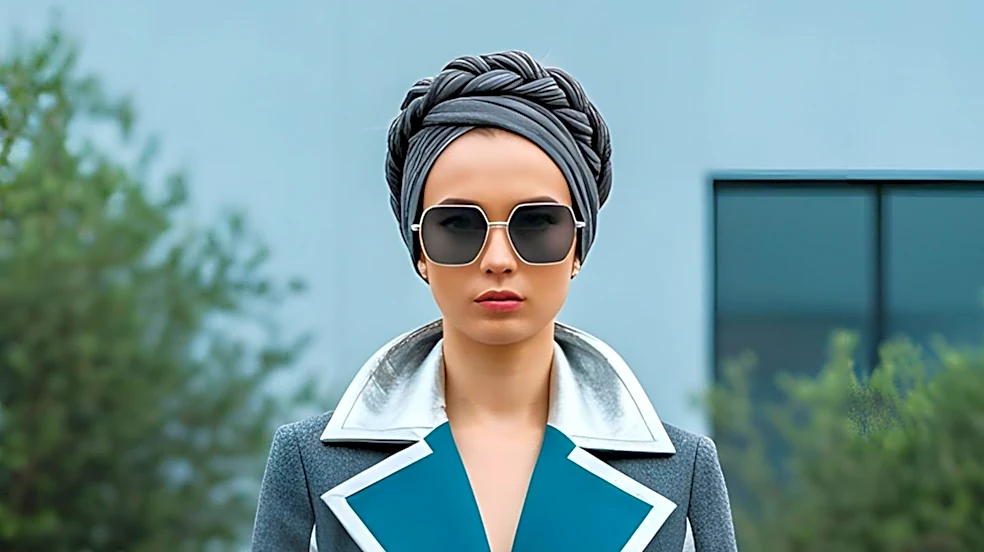
capsule features reworked shirts, vests, dresses, jeans, and a bag, all crafted from denim, leather, and jersey—materials central to Chalayan's eponymous label. Creative Director Jonny Johansson expressed his admiration for Chalayan's significant impact on fashion, emphasizing the importance of prioritizing design and creativity in their collaboration. The collection integrates Acne Studios' existing design language, reinterpreting iconic silhouettes like the '1996' and '2009' pant styles with patchwork denim, twisted seams, and trompe l'oeil python prints. Layered construction techniques are also evident in the t-shirts, vests, and the Camero handbag, presented in various denim hues. The campaign for this collaboration was photographed at London's V&A East Storehouse museum, alongside several of Chalayan's garments that are part of the institution's permanent collection.
Why It's Important?
This collaboration is significant as it brings together two distinct yet influential design philosophies, potentially setting new trends in the fashion industry. For consumers, it offers a unique blend of wearable minimalism with experimental, high-fashion elements, expanding the scope of contemporary apparel. For Acne Studios, partnering with a revered figure like Hussein Chalayan elevates its brand prestige and demonstrates its commitment to innovative design. For Chalayan, it provides a platform to reintroduce his influential work to a broader audience through a commercially accessible collection. The integration of foundational materials like denim and leather with avant-garde techniques could inspire other designers to explore similar hybrid approaches, influencing future fashion collections and consumer preferences. This partnership also highlights the growing trend of high-fashion collaborations, where established brands seek to refresh their image and appeal to diverse market segments by working with influential designers.
What's Next?
The capsule collection and an accompanying book, 'Reference: Hussein Chalayan,' will be available online and in selected stores globally. The book, editorially directed by Charlene Prempeh and published by Acne Studios, aims to delve into Chalayan's under-explored influence on fashion and serve as a resource for understanding his research methods and practice. The release of both the collection and the book suggests a comprehensive effort to celebrate Chalayan's legacy while introducing his work to a new generation of fashion enthusiasts. The success of this collaboration could pave the way for future partnerships between Acne Studios and other influential designers, further solidifying its position as a brand that bridges commercial appeal with artistic innovation. Industry observers will be watching to see how this collection is received by both critics and consumers, and whether it sparks a broader trend of blending minimalist and avant-garde styles in mainstream fashion.
Beyond the Headlines
This collaboration extends beyond mere fashion by offering a deeper exploration of design evolution and artistic influence. The accompanying book, 'Reference: Hussein Chalayan,' underscores the intellectual and historical dimensions of fashion, positioning it as a field worthy of academic study and critical appreciation. By documenting Chalayan's methodologies and impact, the project contributes to the preservation and dissemination of fashion knowledge. Ethically, such collaborations can raise questions about the balance between artistic integrity and commercial viability, as designers navigate the pressures of market demands while maintaining their creative vision. Culturally, the blend of Scandinavian minimalism, known for its democratic and functional approach, with Chalayan's conceptual and often provocative designs, reflects a broader societal interest in hybrid aesthetics and the breaking down of traditional stylistic boundaries. This could lead to a more inclusive and diverse fashion landscape, where different design philosophies coexist and influence each other.