




What's Happening?
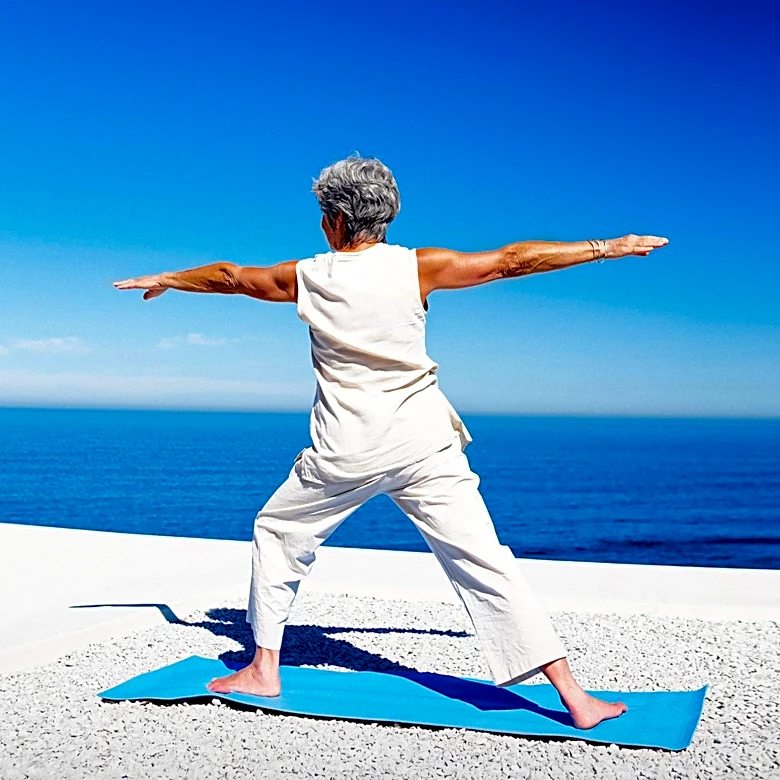
The National Senior Games Association (NSGA) has developed the Sustained Athlete Fitness Exam (SAFE), a specialized fitness evaluation designed for athletes aged 50 and older. This initiative emerged from a realization that traditional medical screenings
often focus on decline and fall prevention in older adults, rather than on cultivating high-level athletic fitness. The creator of SAFE, a physical therapist, initially attempted to offer an 'Elderly Fitness Exam' at the South Dakota Senior Games in 2010, which was met with disinterest from the vibrant senior athletes. This experience led to a re-evaluation of the approach, shifting the focus from detecting issues to enhancing performance. The SAFE aims to help senior athletes achieve personal records and maintain high mobility expectations, engaging thousands of athletes and training hundreds of clinicians.
Why It's Important?
The development of SAFE is significant because it challenges ageist assumptions prevalent in standard medicine, which often limit the perceived capabilities of older adults. By focusing on high-level athletic fitness rather than just preventing decline, SAFE promotes a more empowering view of aging. This shift can inspire older adults to pursue and maintain active lifestyles, potentially leading to improved physical and mental health outcomes, and a higher quality of life. For the healthcare industry, SAFE highlights the need for more tailored and aspirational fitness assessments for seniors, moving beyond basic health screenings. It also demonstrates that a gradual decline is not inevitable, encouraging a re-evaluation of training methodologies and medical support for the aging population.
What's Next?
The NSGA's SAFE program is expected to continue expanding its reach, engaging more senior athletes and training additional clinicians in its methodology. This could lead to a broader adoption of performance-oriented fitness assessments for older adults within the physical therapy and sports medicine communities. The success of SAFE may also encourage other sports organizations and health institutions to develop similar programs that cater to the advanced fitness needs of seniors. Furthermore, the data collected through SAFE could contribute to new research on optimal training regimens and health strategies for high-performing older athletes, potentially influencing public health guidelines and promoting a more active and competitive senior demographic.
Beyond the Headlines
Beyond its immediate impact on senior athletes, SAFE addresses a deeper societal issue of ageism in healthcare. By demonstrating that older adults are capable of high-level athletic achievement, the program helps dismantle stereotypes that often lead to older individuals feeling dismissed or underserved by the medical system. This initiative fosters a culture where aging is viewed as an opportunity for continued growth and achievement, rather than solely as a period of decline. It encourages a re-thinking of what 'healthy aging' truly means, advocating for a proactive and empowering approach that values strength, performance, and personal bests, thereby enriching the lives of older adults and inspiring younger generations.