







What's Happening?
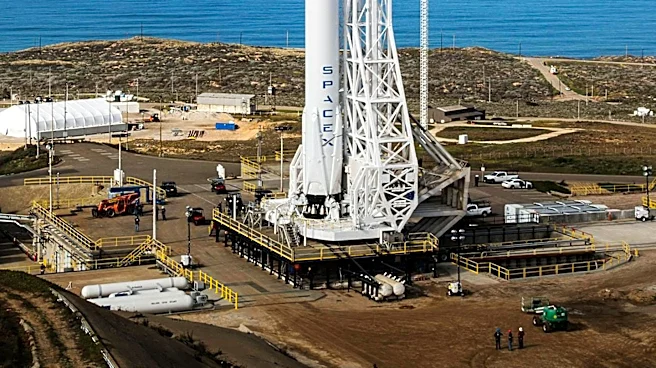
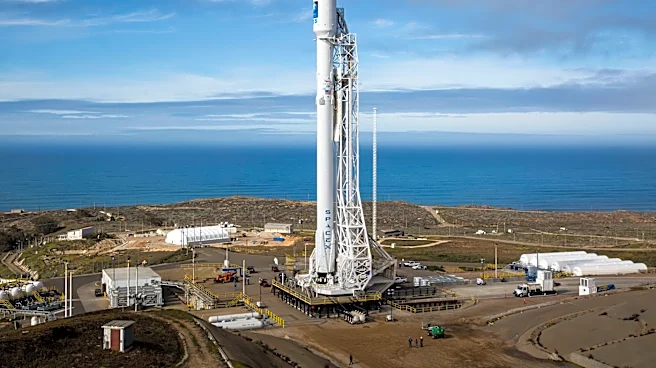
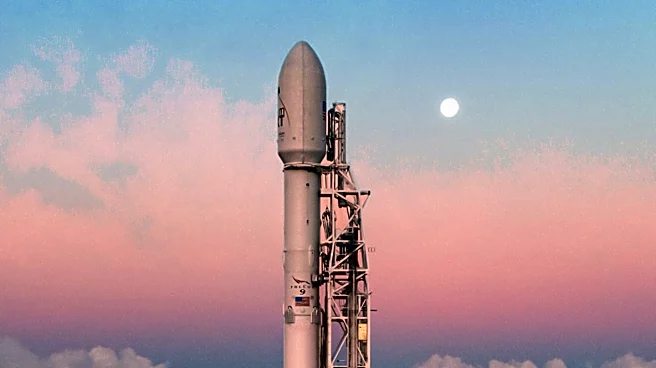
SpaceX has successfully launched the world's first commercially built nuclear-powered satellite, known as the BOHR (Betavoltaic Orbital High-Reliability) satellite, aboard a Falcon 9 rocket. The satellite, developed by Florida-based City Labs, was part
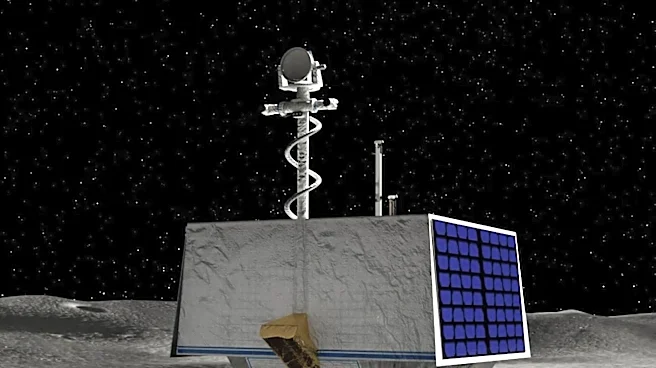
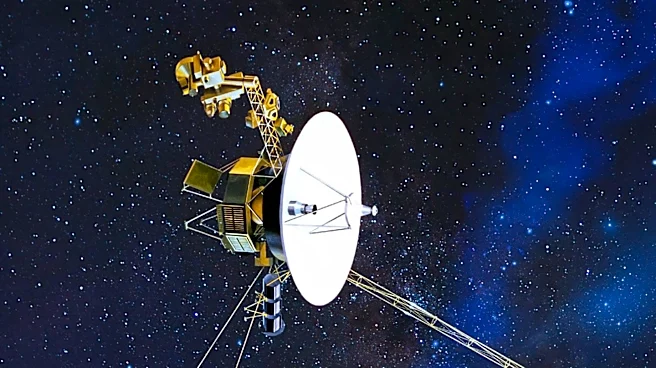
of SpaceX's Transporter-17 rideshare mission, which carried a total of 81 payloads. The BOHR satellite is a demonstration mission designed to test City Labs' proprietary NanoTritium betavoltaic micropower source in space. This technology harnesses beta particles from the radioactive decay of tritium to generate electricity, similar to how NASA's Voyager probes use radioisotope thermoelectric generators. Although the BOHR satellite still relies on solar power for its general operations, the mission aims to demonstrate the feasibility of using nuclear power for continuous energy supply in space, particularly in regions where solar power is insufficient, such as the moon's permanently shadowed areas.
Why It's Important?
The successful launch of the BOHR satellite marks a significant milestone in the use of nuclear power for commercial space missions. This development could revolutionize how spacecraft are powered, especially in environments where solar energy is not viable. The technology has the potential to support long-term lunar habitation, particularly at the moon's south pole, which is a target for NASA's Artemis missions due to its abundance of water ice. By providing a reliable power source, City Labs' technology could enable extended missions in challenging environments, enhancing both national defense capabilities and private space exploration. The mission also represents a step forward in regulatory approval for nuclear-powered space missions, having been greenlit under the Federal Aviation Administration's nuclear launch approval process.
What's Next?
Following the successful demonstration of the BOHR satellite, City Labs aims to scale its NanoTritium technology for broader applications in space exploration. The company envisions future spacecraft equipped with this power system to explore regions that are currently inaccessible due to power constraints. Additionally, the success of this mission could lead to increased interest and investment in nuclear-powered space technologies, potentially influencing future NASA missions and private sector initiatives. The development aligns with ongoing efforts to establish a sustainable human presence on the moon and could play a crucial role in future lunar and deep space missions.
Beyond the Headlines
The introduction of nuclear power in commercial space missions raises important considerations regarding safety, environmental impact, and regulatory frameworks. City Labs has emphasized the low radiation levels of its tritium-based power systems, which are designed for safe handling and integration within standard commercial launch environments. As the technology advances, it will be essential to address public concerns about nuclear safety and ensure robust regulatory oversight. The success of the BOHR mission could also prompt discussions about the role of nuclear power in addressing energy challenges on Earth, potentially influencing future energy policies and technological innovations.