




What's Happening?
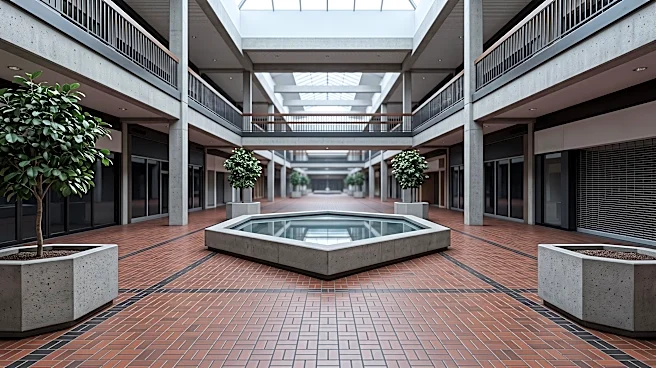
An Iowa developer, Threshold Capital, has acquired the 58-acre Valley West Mall site for $11 million with plans for a major redevelopment project estimated to cost between $300 million and $350 million. The vision is to transform the long-troubled West Des
Moines shopping center into a mixed-use area featuring retail, housing, and entertainment. However, a significant obstacle to this redevelopment is a nearly 50-year-old lease held by JCPenney, one of the property's original anchor tenants. This agreement grants JCPenney substantial control over operations and the authority to block major changes around its section of the property. The lease specifically restricts the construction of new buildings, multi-family housing, or internal roads without the department store's explicit approval. Developer Brian Martin of Threshold Capital has indicated that resolving this anchor store's lease is a critical step for the overall site plan to proceed. Concurrently, architects are working on a site plan that aims to respect JCPenney's existing rights while still enabling the development of the remaining property.
Why It's Important?
This situation highlights the complex challenges faced by developers in redeveloping aging retail properties, particularly those with long-standing anchor tenant leases. The JCPenney lease, by granting the retailer significant control over the surrounding property, effectively acts as a veto power over large-scale changes, potentially delaying or even derailing a multi-million dollar revitalization project. For West Des Moines, the redevelopment of Valley West Mall is crucial for addressing commercial decline, which has seen reduced foot traffic and store closures over the past decade. The proposed project promises to create a vibrant mixed-use hub, potentially boosting local employment, increasing property tax revenues, and offering new housing and entertainment options. The city's consideration of up to $110 million in public financing incentives underscores the economic importance of this project to the community. The outcome of the negotiations with JCPenney will set a precedent for how similar redevelopment efforts involving legacy leases are handled across the U.S., impacting urban planning and commercial real estate strategies.
What's Next?
Threshold Capital is currently engaged in discussions with JCPenney to resolve the lease issues, while architects are simultaneously developing a site plan that accommodates JCPenney's rights. The developer must also secure approval for public financing incentives from the West Des Moines city council, which is considering a package that could include tax increment financing, public infrastructure spending, and site improvements. The city council previously designated the Valley West area as an urban renewal district, establishing a framework for using future property tax revenue to fund public works. Before any demolition can commence, Threshold Capital needs to submit a final site plan to the West Des Moines Plan and Zoning Commission and the City Council. Formal architectural plans are expected to be presented once the lease negotiations with JCPenney are concluded. If city approvals and regulatory reviews are successful, the initial phases of construction and infrastructure work on the 58-acre site could begin in the near future, marking a significant step towards the mall's transformation.
Beyond the Headlines
The Valley West Mall redevelopment saga underscores a broader trend in U.S. retail and urban planning: the repurposing of outdated enclosed malls. As consumer shopping habits shift towards e-commerce and experiential retail, many traditional malls are struggling, leading to foreclosures and the need for innovative redevelopment. The challenge posed by JCPenney's long-term lease highlights the legal complexities and power dynamics inherent in such large-scale projects. These legacy leases, often negotiated decades ago, can grant anchor tenants disproportionate influence over an entire property, even when the mall itself is failing. This situation raises questions about the adaptability of existing legal frameworks to modern economic realities and the balance between tenant rights and community development needs. The successful resolution of this case could provide a blueprint for other cities and developers grappling with similar issues, potentially influencing future lease agreements and urban renewal policies to facilitate more flexible and responsive development in the face of evolving commercial landscapes.