








What's Happening?
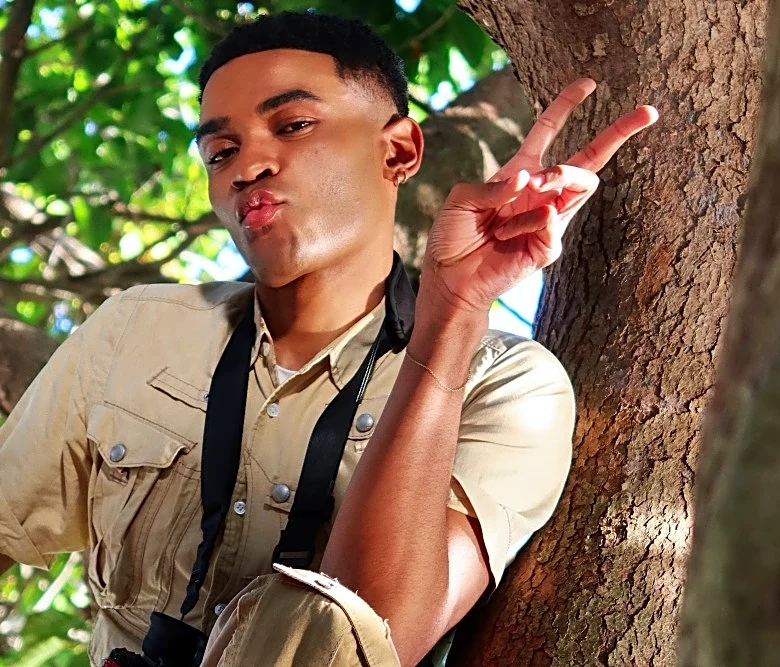
During the filming of the CBS sitcom 'Young Sheldon,' actress Emily Osment requested an intimacy coordinator for scenes involving her co-star, Montana Jordan. Osment, who played Mandy McAllister, was 30 years old at the time of their initial filming,
while Jordan was 18. According to Jessica Radloff's new book, 'Young Sheldon: The (Juicier-Than-Meemaw's-Brisket) Inside Story of the Hit Comedy,' Osment expressed discomfort regarding the 12-year age difference, stating, 'That made me uncomfortable. He was a baby! A baby with a mullet.' She approached producer Tim Marx with her concern. While an intimacy coordinator could not be secured immediately for that specific day, one was provided for subsequent episodes as the on-screen relationship between their characters escalated. Osment noted that having the coordinator made everything easier and emphasized its importance. Director Alex Reid acknowledged that he and others 'totally dropped the ball' during the initial kissing scenes, recognizing the discomfort for both actors who had just met.
Why It's Important?
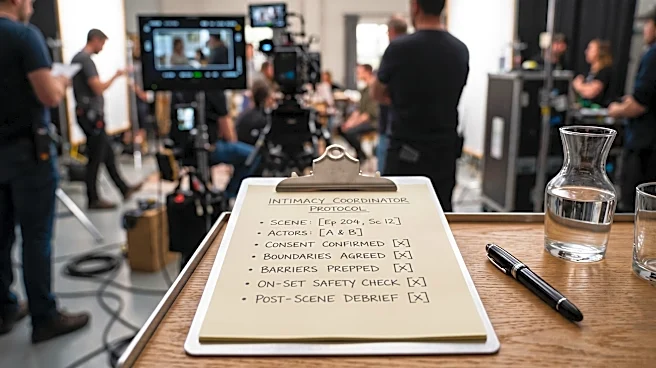
This event highlights a significant cultural shift within the entertainment industry towards prioritizing performer safety and comfort, especially in scenes involving intimacy or age disparities. The request for an intimacy coordinator, and its subsequent fulfillment, reflects the industry-wide adoption of such roles, which gained prominence post-2018. It underscores how actors are increasingly empowered to assert boundaries and advocate for professional support in their workplace. This practice helps navigate potential power dynamics and ensures a more professional and comfortable environment for all involved. The situation also brings to light the evolving expectations for production standards, influencing how intimate scenes are approached and potentially shaping future guidelines for actors and crew. It demonstrates a move away from past practices where actors might have felt compelled to proceed with uncomfortable scenes without adequate support.
What's Next?
The continued integration of intimacy coordinators is expected to become a standard protocol across television and film productions, particularly for scenes involving age gaps or sensitive content. This incident may further encourage actors to openly request such support, reinforcing the importance of their well-being on set. Production companies will likely continue to refine their policies and procedures to ensure intimacy coordinators are readily available and integrated into the filming process from the outset. This trend could lead to more comprehensive training for directors and producers on how to manage intimate scenes with sensitivity and professionalism. Furthermore, it may influence public perception of on-screen intimacy, fostering a greater understanding of the behind-the-scenes efforts to protect performers.
Beyond the Headlines
The request by Emily Osment for an intimacy coordinator delves into deeper ethical and professional considerations within the entertainment industry. It underscores the inherent power imbalances that can exist on a set, particularly when one actor is significantly younger or less experienced. By advocating for an intimacy coordinator, Osment not only protected her own comfort but also potentially set a precedent for her younger co-star, Montana Jordan, who might not have felt empowered to make such a request himself. This move contributes to a broader conversation about consent, respect, and the psychological safety of performers in a demanding industry. It also challenges traditional notions of acting, where actors were often expected to endure discomfort for the sake of a scene. The increasing presence of intimacy coordinators signifies a maturation of the industry, moving towards a more humane and ethical approach to storytelling.