





What's Happening?
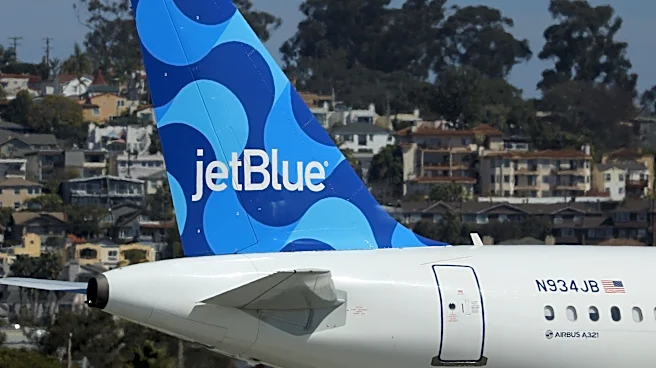
A frequent flyer evaluated JetBlue's status match program and subsequent challenge, concluding that despite initial interest, the program does not offer sufficient value for their travel patterns. The individual, primarily flying from Pittsburgh, PA (PIT)
and Fort Myers, FL (RSW), found JetBlue's route network to be limited from these locations, often requiring inconvenient connections through Boston or New York. While the status match offered Mosaic 1 or Mosaic 2, and a faster track to Mosaic 4 for top-tier elites from other airlines, the practical utility was diminished by the lack of direct flights to common destinations and the carrier's limited international footprint. A significant deterrent was the redemption policy for 'Move to Mint' upgrade certificates, where a single one-way international flight could require multiple certificates (e.g., two in one direction, four in another), making it less efficient than competitor programs. The high spending requirement for top-tier status ($225,000 for Mosaic 4) compared to other airlines, coupled with the fixed and often insufficient value of TrueBlue points, further contributed to the decision that the program was not worthwhile.
Why It's Important?
This personal account highlights a critical challenge for airline loyalty programs: their effectiveness is highly dependent on a traveler's specific location and travel needs. For airlines like JetBlue, which have strong regional hubs, customers outside these core markets may find less value in elite status, even with competitive offerings. The detailed critique of JetBlue's 'Move to Mint' certificate redemption policy and the value of TrueBlue points points to potential areas where the airline's loyalty program may be less competitive than those of legacy carriers. This could influence how JetBlue designs future loyalty initiatives, potentially pushing them to offer more flexible benefits or expand their network to better serve a broader range of travelers. For consumers, it underscores the importance of thoroughly evaluating loyalty programs against their individual travel habits before committing to a specific airline.
What's Next?
The individual plans to experience JetBlue's Mint service on an upcoming long-haul flight to Europe, which could potentially alter their current analytical decision regarding future loyalty. However, based on the current assessment, they do not foresee attempting to re-qualify for Mosaic status in 2027 due to the perceived lack of value. This feedback could serve as valuable input for JetBlue's loyalty program strategists. The airline might consider adjusting its upgrade certificate policies, enhancing the value and flexibility of TrueBlue points, or expanding its route network from secondary airports to attract and retain a wider range of elite travelers. The competitive landscape of airline loyalty programs is constantly evolving, and such detailed user experiences can drive changes in how airlines structure their offerings to better meet diverse customer needs.
Beyond the Headlines
This situation reflects a broader trend in the airline industry where loyalty programs are becoming increasingly complex and tailored, often favoring travelers based in major hub cities. The perceived devaluation of loyalty points and the intricate rules for upgrades can create frustration among frequent flyers, potentially leading them to switch allegiance to carriers that offer more straightforward and valuable benefits. From an economic perspective, airlines invest heavily in loyalty programs to secure repeat business, but if these programs fail to deliver perceived value, the investment may not yield the desired returns. This case also touches upon the ethical dimension of loyalty programs: whether they genuinely reward loyalty or primarily serve to lock in customers through complex, sometimes opaque, benefit structures. The challenge for airlines is to strike a balance between profitability and providing tangible, accessible value to their most frequent customers.