









What's Happening?
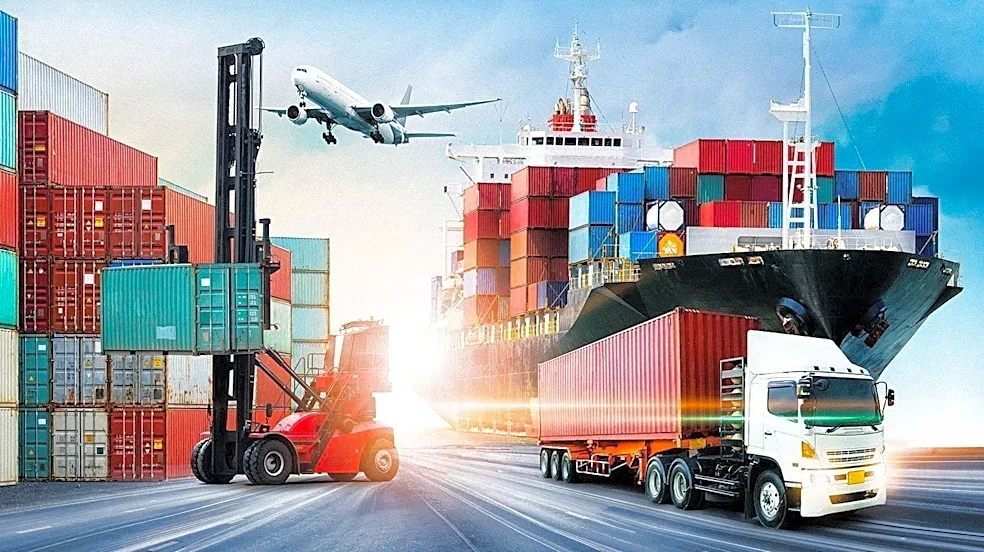
Businesses are continuously evaluating the optimal transportation mode between air cargo and road freight for their supply chains, a decision that hinges on factors beyond just the freight quote. The core difference lies in speed versus regional reach
and cost-effectiveness. Air cargo is designed for rapid international transit, typically within days, making it ideal for urgent spare parts, medical supplies, premium products, and high-priority e-commerce inventory. However, its total delivery time includes various handoffs, customs clearance, and strict cutoffs. Road freight, conversely, excels in regional reach, capacity, and control, particularly for domestic and cross-border movements within regions like the GCC (Gulf Cooperation Council), where cargo can travel directly between facilities. While road freight generally has a longer transit window, it can offer a more predictable door-to-door process, especially for full truckload shipments. The choice between the two also depends on cargo characteristics, such as value, size, perishability, and handling requirements, as well as customs and compliance considerations.
Why It's Important?
The strategic choice between air cargo and road freight significantly impacts a business's total logistics cost and operational efficiency. A delayed shipment can lead to substantial commercial losses, including production downtime, empty retail shelves, missed customer delivery promises, and tied-up working capital. Air cargo can reduce inventory carrying costs by enabling more frequent, smaller shipments, which is beneficial for high-value products with volatile demand. Conversely, road freight supports broader inventory flows at a lower transport cost, especially when combined with warehousing and scheduled distribution. For U.S. businesses, optimizing this decision directly affects their competitiveness, customer satisfaction, and bottom line. The ability to accurately forecast demand, manage inventory, and navigate customs procedures efficiently is paramount. The article emphasizes that the most effective supply chains integrate both modes, using each where it provides the most operational value, rather than treating them as competing services.
What's Next?
Businesses will continue to refine their transport plans by analyzing specific delivery requirements, cargo information, and the financial cost of potential delays. This involves a detailed comparison of total logistics costs, not just freight rates, and considering the impact of each mode on inventory management. As supply chains become more complex and globalized, the need for accurate forecasting and disciplined replenishment will intensify. Freight partners that offer integrated services, managing transport, customs coordination, warehousing, and final delivery, will become increasingly valuable to reduce handoffs and provide greater visibility. The ongoing evolution of e-commerce and the demand for faster delivery times will likely drive further innovation in both air and road freight, potentially leading to more hybrid solutions and advanced logistics technologies to optimize speed, cost, and reliability across diverse supply chain needs.
Beyond the Headlines
Beyond the immediate logistical and financial considerations, the choice between air and road freight reflects broader economic trends and technological advancements in supply chain management. The increasing emphasis on speed and efficiency, driven by consumer expectations and global competition, highlights the critical role of agile logistics in modern commerce. The article subtly points to the ethical and environmental implications of transportation choices, though not explicitly stated. For instance, the carbon footprint of air freight is generally higher than road freight, which could become a more significant factor as businesses prioritize sustainability. Furthermore, the discussion on customs and compliance underscores the growing complexity of international trade regulations and the need for robust, error-free documentation. The strategic integration of both modes, rather than an exclusive reliance on one, suggests a mature approach to supply chain resilience, allowing businesses to adapt to disruptions, seasonal peaks, and evolving market demands more effectively.