






What's Happening?
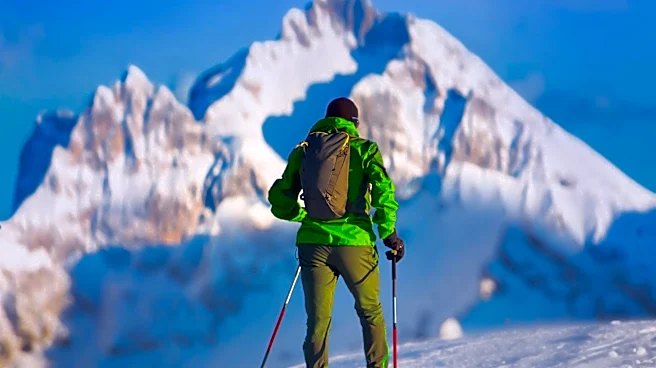
Snowshoeing is emerging as a widely accessible winter activity, with various locations in the U.S. and internationally offering diverse experiences. In the U.S., Royal Gorge provides trails through forests and meadows, suitable for those new to winter exploration,
hikers, and families. Lake Tahoe offers a contemplative snowshoeing experience, while Bend, Oregon, features snowshoe tours around Mt. Bachelor and the Deschutes National Forest. These U.S. locations emphasize the activity's simplicity and the opportunity to connect with nature. Internationally, Les Arcs in France highlights snowshoeing as an activity for all skill levels, with guided tours recommended. Finland promotes snowshoeing in its national parks, such as Riisitunturi and Pyhä-Luosto, and introduces 'sliding snowshoes' for a unique variation. These destinations underscore snowshoeing as a way to explore snow-covered landscapes, observe wildlife tracks, and enjoy the outdoors without requiring complex techniques.
Why It's Important?
The growing popularity of snowshoeing across diverse U.S. and international destinations signifies a broader trend in outdoor recreation and winter tourism. For U.S. regions like Royal Gorge, Lake Tahoe, and Bend, this trend can boost local economies by attracting tourists seeking accessible winter sports. It provides an alternative to more equipment-intensive activities like skiing, potentially broadening the demographic of winter visitors. The emphasis on guided tours and equipment rentals in places like Les Arcs and Finland also creates economic opportunities for local businesses. Furthermore, the activity's low barrier to entry, requiring minimal technique, makes it an inclusive option for families and individuals of varying fitness levels, promoting physical activity and engagement with natural environments during colder months. This trend also highlights a desire for quieter, more immersive nature experiences, contrasting with the often bustling atmosphere of traditional ski resorts.
What's Next?
As snowshoeing continues to gain traction, several developments are likely. We can anticipate an increase in guided snowshoe tours and specialized events, such as meteor shower snowshoe tours offered in Bend, Oregon, catering to niche interests. More destinations, both within the U.S. and globally, may invest in developing and maintaining dedicated snowshoe trails and rental facilities to accommodate growing demand. There could also be innovations in snowshoe technology, similar to Finland's 'sliding snowshoes,' to enhance the user experience. Marketing efforts by tourism boards will likely highlight the accessibility and unique natural experiences offered by snowshoeing, further integrating it into mainstream winter tourism packages. Additionally, educational programs focusing on winter ecology and wildlife tracking during snowshoe excursions may become more prevalent, enriching the activity for participants.
Beyond the Headlines
Beyond its immediate recreational appeal, the rise of snowshoeing reflects a deeper societal shift towards sustainable and accessible outdoor activities. In an era where environmental consciousness is growing, snowshoeing offers a low-impact way to enjoy winter landscapes, minimizing disturbance to natural habitats compared to motorized winter sports. The emphasis on quiet exploration and observing nature, as highlighted by destinations like Royal Gorge and Les Arcs, aligns with a broader desire for mindfulness and disconnection from urban stressors. This trend could also influence urban planning in snowy regions, encouraging the development of more accessible green spaces and trails for winter use. Furthermore, the activity's inclusivity, catering to all skill levels and ages, promotes community health and well-being, fostering a greater appreciation for winter environments and encouraging year-round outdoor engagement.