


What's Happening?
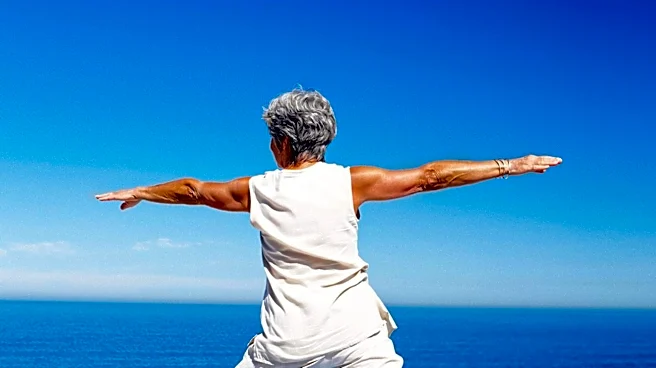
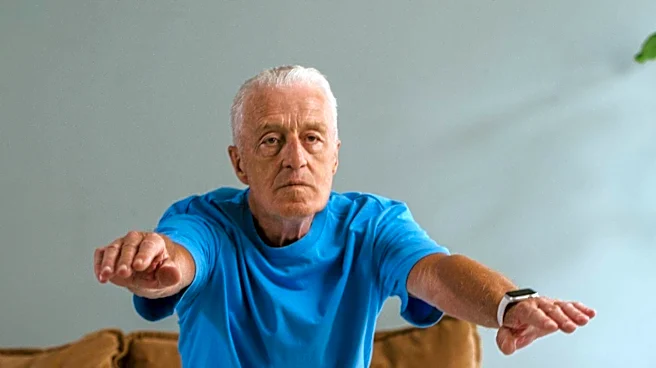
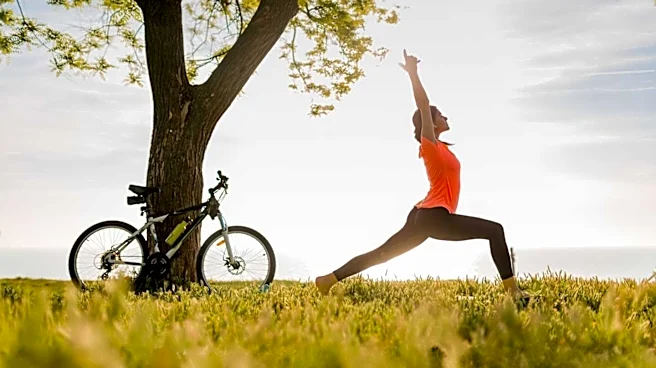
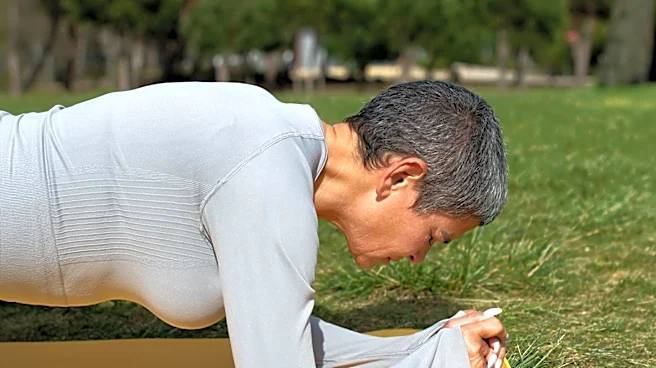
Fitness experts are advocating for a balanced and comprehensive exercise routine for women over the age of 50. This recommended regimen integrates strength training, aerobic exercise, flexibility work, and balance training. The primary goal of this multi-faceted
approach is to counteract age-related physiological changes, such as the decline in estrogen which can lead to loss of muscle mass and bone density. By combining these different types of exercises, women can protect lean muscle mass, support bone health, mitigate the risk of injuries, and enhance insulin sensitivity. An example weekly schedule for beginners includes a mix of walking, mobility, full-body strength training with body weight, and rest days. For those aiming to build strength, the schedule suggests dedicated days for lower body, upper body, cardio, and mobility/balance work, alongside full-body strength sessions and low-impact cardio.
Why It's Important?
This emphasis on a holistic fitness approach for women over 50 is crucial for several reasons. Physiologically, as women age, particularly post-menopause, hormonal shifts accelerate the loss of muscle and bone, increasing the risk of osteoporosis and sarcopenia. A structured routine that includes strength training directly addresses these issues by promoting muscle growth and bone density. Aerobic exercise supports cardiovascular health, which is vital for overall longevity and reducing the risk of heart disease. Flexibility and balance training are critical for maintaining mobility, preventing falls, and improving quality of life. Without such a comprehensive approach, women in this age group face higher risks of chronic diseases, reduced independence, and a diminished capacity to perform daily activities. This guidance empowers individuals to proactively manage their health and well-being, fostering a more active and resilient aging process.
What's Next?
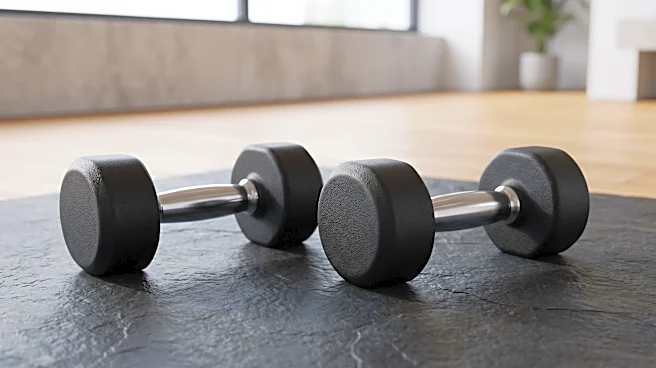
Individuals are encouraged to adopt these comprehensive fitness routines, starting with proper form and gradually increasing intensity. Consulting healthcare professionals, personal trainers, or physiotherapists is advised, especially for those new to exercise, returning after a break, or managing existing health conditions. The focus should be on sustainable routines rather than extreme workouts, prioritizing proper warm-ups, adequate rest days, and gradual progression to prevent injuries. Equipment such as yoga mats, resistance bands, and light dumbbells can facilitate home workouts. The long-term goal is to build strength, protect bone density, support heart health, and maintain muscle mass, ultimately enhancing overall well-being and independence for years to come.
Beyond the Headlines
The recommendations extend beyond mere physical exercise, touching upon broader lifestyle implications. The emphasis on sustainability and gradual progression highlights a shift from punitive exercise regimes to a more mindful and body-respecting approach. This perspective acknowledges that fitness in later life is not about 'chasing your twenties' but about fostering capability and confidence. The integration of recovery, rest, and proper nutrition underscores the interconnectedness of various health components. This holistic view can lead to a cultural shift where aging is seen not as a period of decline, but as an opportunity for continued physical and mental growth, supported by informed and balanced lifestyle choices. It also implicitly challenges societal norms that often overlook the specific health needs of older women.