




What's Happening?
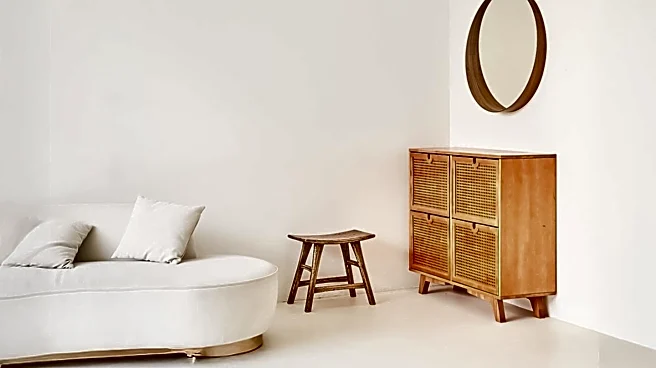
Minimalist home styling has evolved beyond stark aesthetics to focus on warmth, intention, and creating a breathable space. The core philosophy is not about having nothing, but about making room for items that serve a purpose or bring joy. This approach
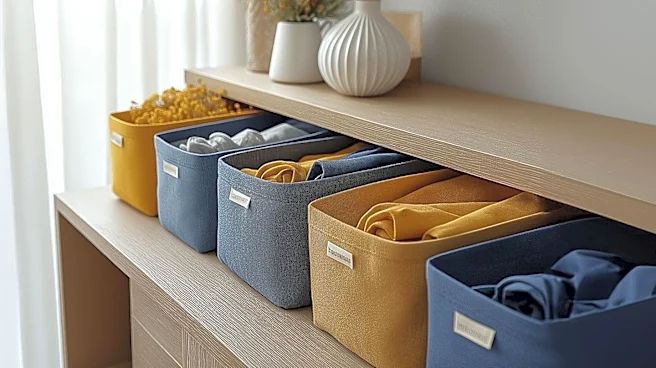
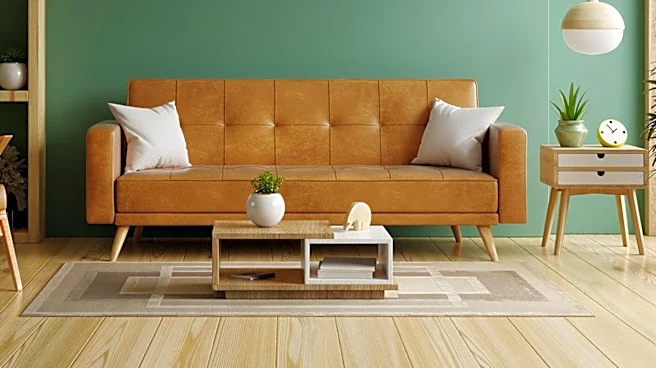
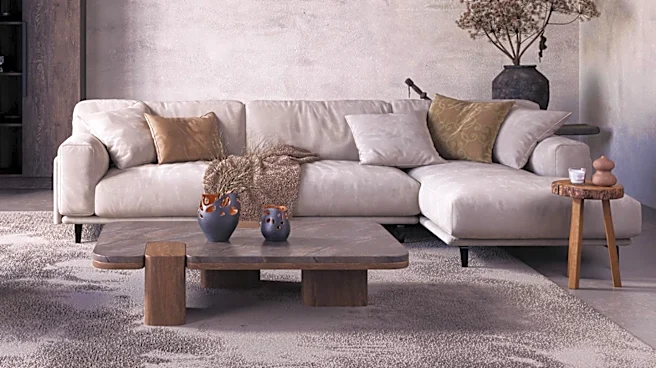
prioritizes usability and flow, advocating for quality over quantity to create a sustainable and peaceful living environment. Decluttering is identified as the foundational step, recommending a systematic approach like the 'three-box method' (Keep, Donate, Trash) and the 'One In, One Out' rule to prevent clutter accumulation. The design ethos also highlights the importance of 'negative space' as a crucial element, suggesting that not every corner needs to be filled. Modern minimalism embraces a wider, yet restrained, color palette, favoring earthy neutrals like beige, taupe, sage green, and greige, with a foundational palette of two to three complementary colors for visual harmony.
Why It's Important?
The shift towards minimalist home styling reflects a broader societal desire for mental clarity and reduced visual clutter in an increasingly noisy world. By encouraging intentionality in purchasing and curating belongings, this trend can lead to more sustainable consumption habits, benefiting both individual finances and environmental impact. The emphasis on quality over quantity in furniture and decor promotes longevity and reduces waste associated with fast-fashion seasonal trends. For U.S. consumers, adopting these principles can transform living spaces into sanctuaries, fostering a sense of calm and well-being. The focus on natural light and layered textures also contributes to healthier indoor environments, potentially impacting productivity and mood. This movement signifies a growing awareness of how physical surroundings influence psychological states, making it relevant for industries ranging from interior design and furniture manufacturing to mental wellness and sustainable living.
What's Next?
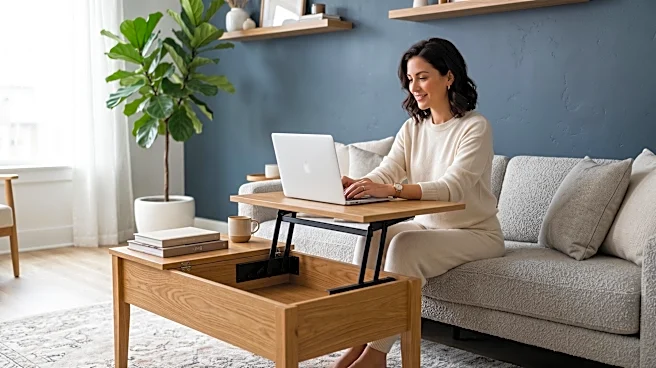
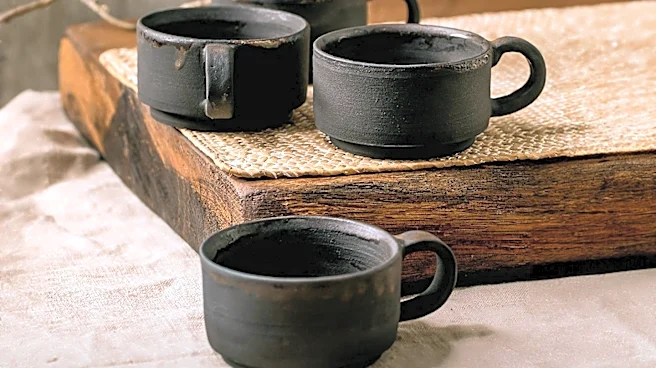
The continued evolution of minimalist home styling suggests a future where personal expression and functionality are paramount. Consumers are likely to increasingly seek out multi-functional furniture and decor that maximizes utility while minimizing physical footprint. The integration of modern home decor elements that champion simplicity and geometric precision will continue to elevate the aesthetic. Expect a sustained demand for natural materials like stone, rattan, jute, and warm woods, as these add depth and warmth without visual clutter. The focus on thoughtful, layered artificial lighting, featuring clean geometries, will also become more prevalent. As individuals prioritize mental well-being, the market for home organization solutions and services that facilitate decluttering and intentional living is expected to grow. Furthermore, the 'One In, One Out' rule could influence consumer purchasing behavior, leading to more considered acquisitions and a reduction in impulse buying.
Beyond the Headlines
Beyond the immediate aesthetic and organizational benefits, the minimalist home styling movement touches upon deeper cultural and psychological implications. It challenges the consumerist mindset that often equates happiness with accumulation, instead promoting a philosophy of contentment with less. This intentional curation of one's environment can foster a greater appreciation for the items owned and the space inhabited, potentially leading to a more mindful existence. Ethically, the emphasis on quality and sustainability encourages responsible manufacturing and consumption, pushing industries towards more eco-friendly practices. Culturally, it represents a counter-narrative to the constant bombardment of advertising and trends, advocating for personal sanctuary and mental peace. The concept of 'negative space' in design can also be seen as a metaphor for creating mental space, reducing cognitive load, and fostering creativity by eliminating distractions. This trend could signify a long-term shift in how Americans perceive and interact with their living spaces, moving towards environments that support well-being rather than simply showcasing possessions.