







What's Happening?
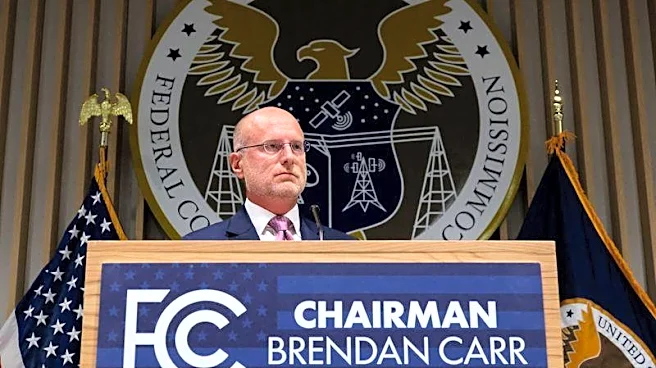
The U.S. Federal Communications Commission (FCC) has granted approval to SpaceX for its ambitious plan to deploy 15,000 satellites for its next-generation direct-to-device (D2D) network, known as Starlink Mobile. This authorization paves the way for significantly
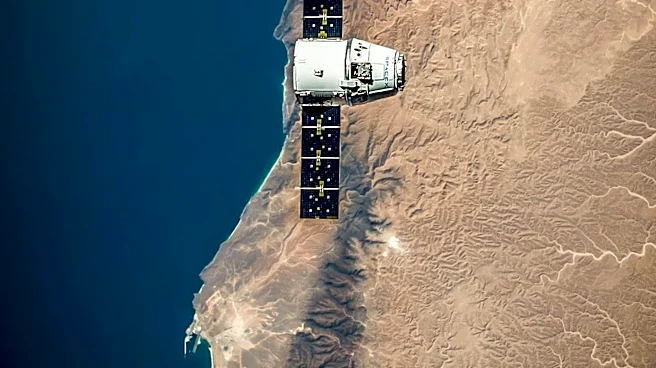
expanded satellite-to-phone connectivity. The FCC waived the requirement for SpaceX to lease spectrum from terrestrial wireless carriers, allowing the company to utilize its own authorized spectrum. The approval permits SpaceX to deploy and operate these satellites in very low Earth orbit (VLEO), specifically across nine orbital shells at altitudes ranging from 326km to 335km. This constellation is designed to provide mobile satellite services using spectrum acquired from EchoStar, alongside supplemental coverage from space using wireless spectrum. The network aims to support direct-to-device connectivity, enabling compatible mobile phones to access services like voice, messaging, and high-speed data in areas beyond the reach of traditional terrestrial networks. SpaceX President and Chief Operating Officer Gwynne Shotwell indicated that the company plans to begin deploying these second-generation Starlink Mobile satellites in 2027, with service expected by the end of that year.
Why It's Important?
This FCC approval marks a pivotal moment for global connectivity and the satellite industry. By enabling SpaceX to deploy 15,000 D2D satellites, the decision will significantly enhance competition, expand consumer choice, and increase access to connectivity, particularly in underserved and remote areas. The ability for standard mobile phones to connect directly to satellites will revolutionize emergency services, rural communication, and disaster relief efforts, providing a resilient communication layer independent of terrestrial infrastructure. For the U.S. economy, this could spur innovation in satellite technology, create new jobs, and open up new markets for mobile services. However, the sheer scale of this deployment also raises concerns about space debris and orbital congestion, which could impact other satellite operators and future space missions. The FCC's decision to waive spectrum leasing requirements also sets a precedent for how satellite operators can manage their spectrum, potentially influencing future regulatory frameworks.
What's Next?
SpaceX is now tasked with meeting specific deployment deadlines set by the FCC. The company must deploy and operate at least half of the authorized constellation by October 7, 2032, with the full 15,000-satellite deployment required by October 7, 2035. The authorization itself is valid for 15 years, commencing when the first satellite reaches its authorized orbit. SpaceX President and Chief Operating Officer Gwynne Shotwell has stated that the deployment of second-generation Starlink Mobile satellites is anticipated to begin in 2027, with services expected to launch by the end of that year. While the FCC has approved the core plan, it has deferred decisions on some requested spectrum operations, particularly those involving frequency bands used or reserved for federal purposes. This indicates that further regulatory discussions and approvals may be necessary for certain aspects of the network's operation. The authorization also includes conditions related to the transfer of spectrum licenses acquired from EchoStar, which SpaceX will need to fulfill.
Beyond the Headlines
The approval of SpaceX's 15,000 D2D satellites represents a significant leap towards a truly global and ubiquitous communication network, potentially blurring the lines between terrestrial and satellite-based mobile services. This development could fundamentally alter the competitive landscape of the telecommunications industry, challenging traditional mobile carriers and internet service providers. The lower orbital altitude of these satellites is designed to reduce latency and improve network performance, making satellite internet more comparable to ground-based broadband. However, the environmental impact of launching and maintaining such a large constellation, including light pollution for astronomers and the long-term sustainability of low Earth orbit, remains a subject of ongoing debate. Furthermore, the ability to provide mobile satellite services outside the U.S. and supplemental in-country coverage from space raises complex international regulatory and sovereignty questions. This initiative is not just about connectivity; it's about redefining access, fostering innovation, and navigating the challenges of a new space economy.