





What's Happening?
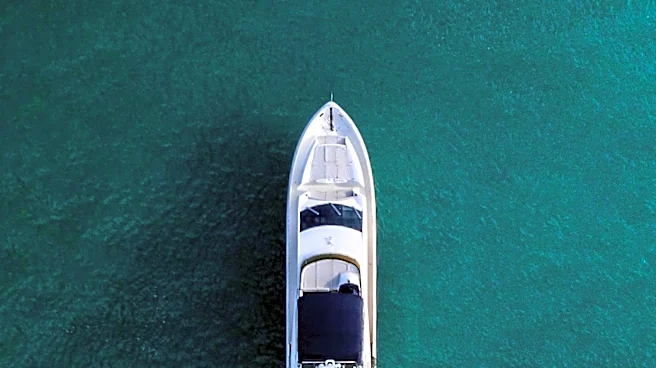
SeaDream Yacht Club has revealed plans for a new hybrid-electric yacht, SeaDream III, set to launch in July 2029. This vessel will be significantly larger than the company's current yachts, measuring 151 meters long and 21.8 meters wide, and will accommodate
230 guests with approximately 200 crew members. The expansion marks the company's 25th anniversary and aims to broaden its global itineraries, covering six continents, 74 countries, and 392 ports during its initial 26 months of operation. The inaugural journey is scheduled from Hong Kong to Tokyo on July 10, 2029. Founder Atle Brynestad highlighted the company's resilience, having navigated challenges such as the September 11 attacks, the 2008 financial crisis, and the COVID-19 pandemic. SeaDream III will feature hybrid-electric propulsion with a large battery installation, allowing for quieter approaches to destinations. The design also emphasizes enhanced crew facilities, including private cabins, professional gyms, and a dedicated sun deck. Construction will take place at China Merchants Cruise Shipbuilding in China, with European engineering and technical suppliers also involved. SeaDream I and SeaDream II will remain in service, continuing to operate in the Mediterranean and Caribbean.
Why It's Important?
The introduction of SeaDream III signifies a strategic move within the luxury cruise sector, reflecting a growing demand for more expansive yet intimate travel experiences. The hybrid-electric propulsion system underscores an industry trend towards environmental sustainability, aiming to reduce noise and emissions, which could set a new standard for luxury yachting. This expansion allows SeaDream to tap into a broader global market, offering itineraries to previously inaccessible smaller ports and remote coastlines, thereby diversifying its revenue streams and appealing to a wider range of affluent travelers. The focus on enhanced crew facilities also highlights a recognition of the importance of staff well-being in delivering high-quality service, potentially improving employee retention and overall guest satisfaction. For the U.S. market, this could mean new luxury travel options for American consumers and potentially influence other cruise lines to adopt similar sustainable technologies and service models. The company's ability to overcome past global crises demonstrates its adaptability and resilience, positioning it for continued growth in a competitive industry.
What's Next?
SeaDream Yacht Club is expected to release further details regarding SeaDream III's accommodation, public spaces, dining facilities, and other onboard amenities as construction progresses. The company will continue to develop its ambitious inaugural program, which includes visits to 206 UNESCO World Heritage destinations. The successful integration of hybrid-electric technology will be closely watched by the industry, potentially influencing future shipbuilding practices. As SeaDream III prepares for its 2029 debut, the company will likely focus on marketing its expanded global reach and unique small-ship luxury experience to attract new clientele. The continued operation of SeaDream I and SeaDream II alongside the new vessel will allow the company to maintain its presence in established markets while exploring new ones. The long-term success of SeaDream III could encourage further investment in similar eco-friendly and expansive luxury yacht projects across the cruise industry.
Beyond the Headlines
The launch of SeaDream III reflects a broader shift in the luxury travel market towards experiential and sustainable tourism. The emphasis on visiting remote and culturally significant locations, including UNESCO World Heritage sites, caters to a demographic increasingly seeking authentic and enriching travel experiences beyond conventional cruise routes. The investment in hybrid-electric technology, while addressing environmental concerns, also positions SeaDream as a forward-thinking brand, potentially attracting environmentally conscious luxury consumers. This move could also influence regulatory bodies to encourage or mandate greener technologies in the maritime industry. Furthermore, the company's commitment to crew welfare, evidenced by improved facilities, could set a precedent for labor practices in the cruise sector, potentially leading to better working conditions and higher service standards across the industry. The ability to adapt and thrive through multiple global disruptions, as highlighted by the founder, speaks to the strategic agility required for long-term success in the volatile travel and tourism sector.