





What's Happening?
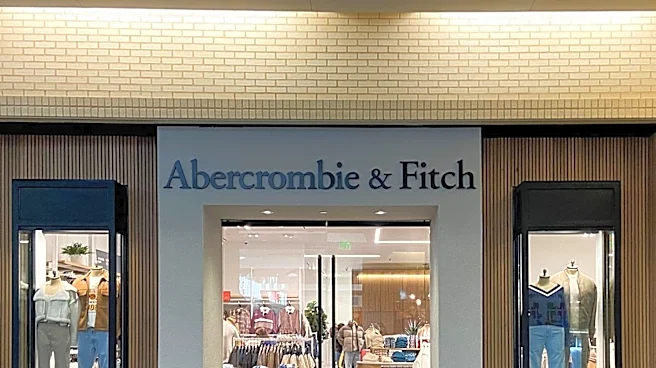
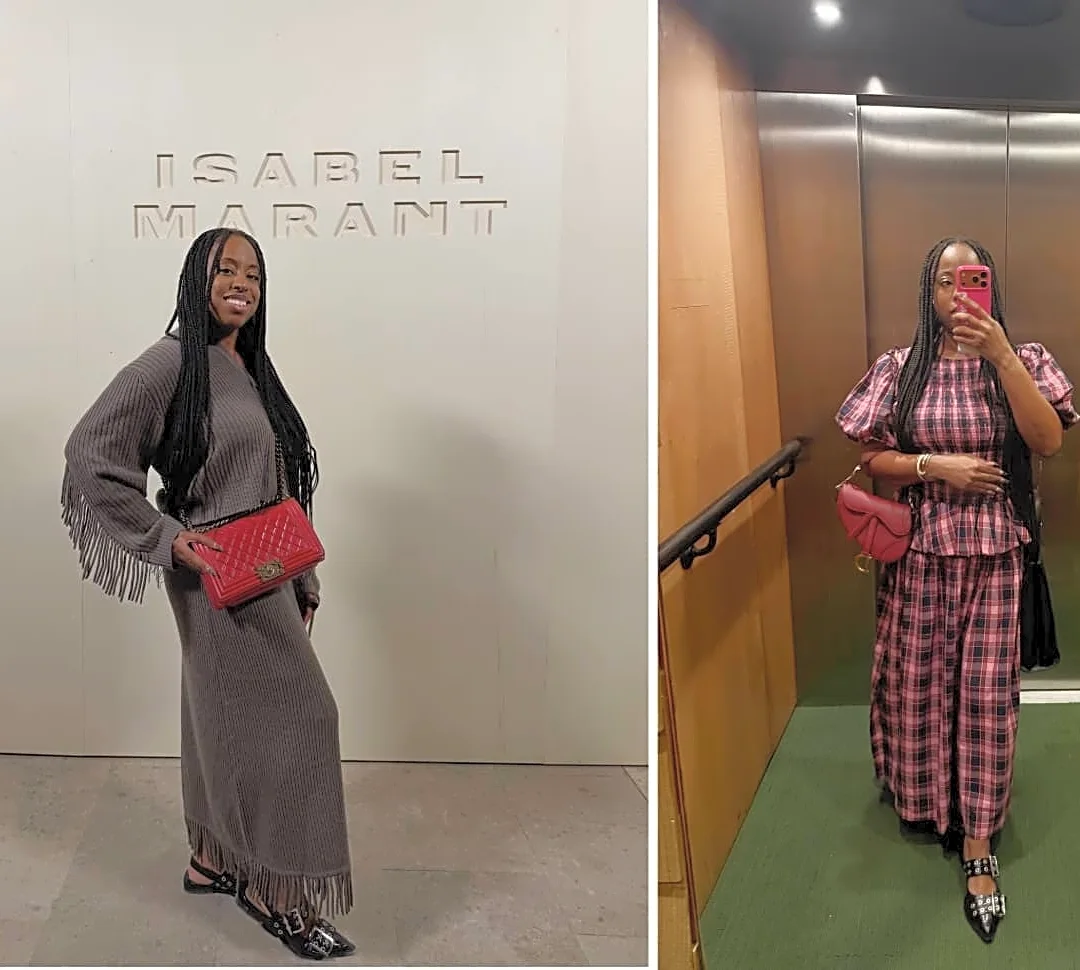
Abercrombie & Fitch Co., a global omnichannel specialty retailer, is under scrutiny after a woman highlighted significant fabric disparities between its men's and women's merino wool sweaters. Rachael Brownfield, via a TikTok video, pointed out that men's merino wool sweaters were
advertised as 100% merino wool, while women's sweaters, sold at the same price point, were labeled as 'wool-blend' and primarily composed of polyester or nylon. Brownfield's observations, which she confirmed by visiting the company's website, revealed that women's 'Merino wool blend' products often contained 66% Nylon, 30% Merino wool, and 4% Elastane. This discrepancy in material quality for similarly priced items has led to accusations of misleading marketing and concerns about product value. Following Brownfield's viral video, Abercrombie & Fitch reportedly put some women's sweater styles on sale for 30% off, though Brownfield emphasized that the core issue was the quality of the garment, not just its price.
Why It's Important?
This situation highlights broader issues within the apparel industry concerning product transparency, gender-based pricing, and material quality. Consumers expect clear and honest representation of products, especially when price points are identical across different versions of an item. The disparity in fabric composition, where women's clothing uses significantly less premium material for the same price as men's, raises questions about fairness and potential gender-based pricing strategies. This incident could impact consumer trust in Abercrombie & Fitch and potentially other retailers if similar practices are found. It also brings to light the growing consumer awareness and demand for sustainable and high-quality materials, as Brownfield also raised concerns about textile waste from 'garbage pieces of clothing' ending up in landfills. The viral nature of the complaint through social media demonstrates the power of consumer advocacy in holding brands accountable for their product offerings and marketing claims.
What's Next?
Abercrombie & Fitch may face increased pressure to address the discrepancies in its product lines and marketing. The company could respond by standardizing material quality across its men's and women's collections, adjusting pricing to reflect material differences, or providing clearer labeling to avoid consumer confusion. Other apparel brands might also review their own product offerings and marketing strategies to preempt similar criticisms, especially as consumers become more vocal about product quality and value. The incident could also spur further discussions and investigations into 'pink tax' or gender-based pricing in the retail sector, where products marketed to women are often priced higher or made with lower quality materials than comparable men's products. Consumer advocacy groups and social media influencers are likely to continue monitoring such practices, potentially leading to broader industry changes in transparency and fairness.
Beyond the Headlines
The controversy extends beyond mere pricing and fabric composition, touching upon ethical considerations in manufacturing and consumption. The use of synthetic blends like polyester and nylon in place of natural fibers like merino wool has environmental implications, as synthetics are often derived from fossil fuels and contribute to microplastic pollution. Brownfield's concern about textile waste underscores a growing consumer awareness of the environmental footprint of fast fashion and lower-quality garments. This incident could fuel a larger conversation about corporate responsibility in material sourcing and product longevity. Furthermore, it highlights the subtle ways gender bias can manifest in product development and marketing, where women's products might be perceived as less deserving of premium materials despite being priced similarly. This could prompt a re-evaluation of design and production philosophies within the fashion industry to ensure equitable quality and value for all consumers.