








What's Happening?
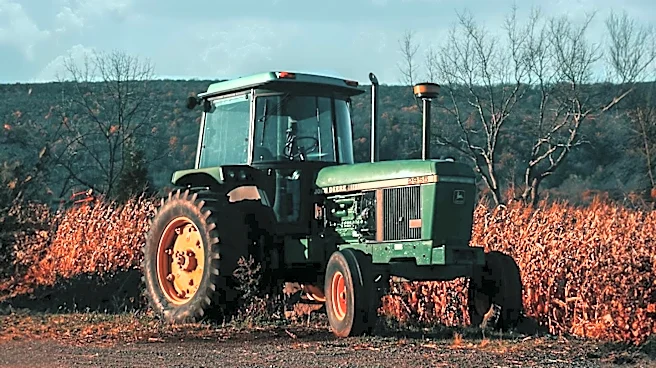
John Deere, a prominent farm equipment manufacturer, has reached a settlement with the Federal Trade Commission (FTC) and several states, including Illinois, Arizona, Michigan, Minnesota, and Wisconsin. This agreement mandates that John Deere provide
farmers and independent repair providers with the same equipment repair resources, including applicable software capabilities, that it currently offers to authorized Deere dealers. This provision will be in effect for the next 10 years and will be supervised by the FTC and the plaintiff states. The FTC's allegations stated that John Deere used unlawful practices to restrict the ability of farmers and independent repair providers to perform repairs on Deere farm equipment. The company allegedly withheld essential software repair tools, forcing farmers to rely solely on authorized dealers for many necessary repairs. This practice, according to the FTC, allowed Deere to unlawfully acquire and maintain monopoly power in the market for repair services, leading to service delays and increased costs for farmers.
Why It's Important?
This settlement marks a significant development in the 'Right to Repair' movement, extending beyond the agricultural sector. The Tire Industry Association (TIA) views this as an encouraging step, reinforcing the idea that equipment owners and independent businesses should have fair access to the tools, information, and resources needed to diagnose, maintain, and repair modern equipment. For farmers, this means greater autonomy and potentially lower costs for equipment maintenance and repair, reducing their dependence on John Deere's authorized dealer network. It could also foster competition in the repair market, leading to more efficient and affordable services. The broader implication is that this settlement could serve as a precedent and a catalyst for advancing 'Right to Repair' policies for other industries, including passenger vehicles and other types of equipment, which has been a long-standing goal for organizations like the TIA.
What's Next?
Under the terms of the settlement, John Deere is required to make available to farmers and independent repair providers, on fair and reasonable terms, repair resources equivalent to those provided to its dealers. This includes access to tools for reading, clearing, and resetting electronic fault codes, reprogramming electronic components, restarting machines after emissions-related shutdowns, and viewing technical manuals and troubleshooting solutions. John Deere must also make any future repair resources available once they are provided to over 50% of its authorized dealer network in the U.S. The company will also instruct its authorized dealers to promote these resources and not discriminate against those who use independent repair services. The settlement includes strict reporting and oversight requirements to ensure compliance, and the order may be extended beyond its original 10-year duration if violations occur. This could lead to increased scrutiny and potential legislative action in other sectors regarding repair access.
Beyond the Headlines
The John Deere settlement highlights the evolving landscape of ownership rights in an era of increasingly complex and software-dependent machinery. It brings to the forefront the ethical and economic considerations of manufacturers controlling access to repair information and tools. This case underscores the tension between intellectual property rights and the consumer's right to repair their purchased goods. The 'Right to Repair' movement argues that restricting repair access can lead to planned obsolescence, increased waste, and reduced economic opportunities for independent repair businesses. This settlement could encourage other manufacturers to re-evaluate their repair policies, potentially leading to a more open and competitive repair market across various industries. It also raises questions about the role of regulatory bodies like the FTC in ensuring fair market practices in technologically advanced sectors.