







What's Happening?
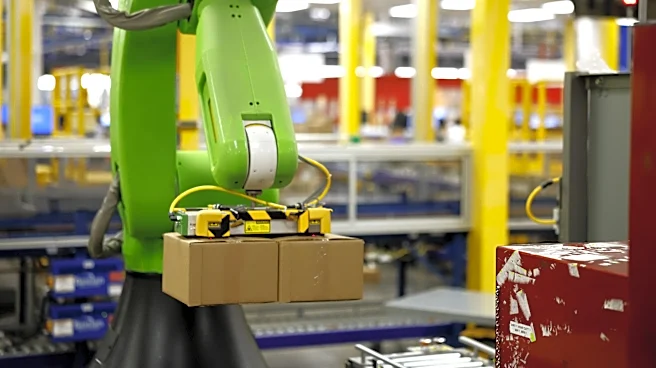
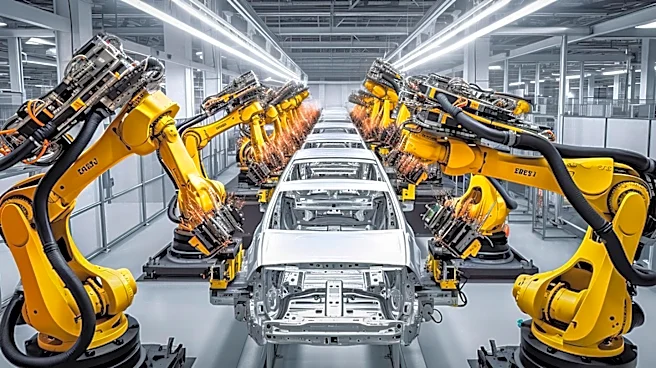
Procter & Gamble (P&G), the Cincinnati-based consumer product giant, announced plans to significantly increase the number of factories operating shifts without human intervention. This strategic move is aimed at boosting productivity and achieving up
to $10 billion in cost savings. P&G, known for brands like Gillette, Tide Pods, and Crest, currently operates 15 such automated sites globally and intends to add more by 2027. The company has invested heavily in automated manufacturing lines that can run unattended for several hours, particularly during overnight shifts. According to Luc Reynaert, chief product supply officer, these unattended operations are expected to improve manufacturing productivity by up to 20 percent over the next four years. P&G also stated that it plans to cut its product-supply workforce, which includes contractors, by 20 to 30 percent by 2030. This reduction affects approximately 65,000 workers in manufacturing, purchasing, planning, engineering, and quality control roles, though a company spokesperson noted these reductions have been ongoing as part of a supply-chain improvement program.
Why It's Important?
This expansion of automated manufacturing by Procter & Gamble highlights a growing trend in U.S. industries towards increased automation and artificial intelligence to enhance efficiency and reduce operational costs. While P&G executives suggest that unattended shifts offer workers better schedules and allow them to focus on consumer-facing tasks, the move raises significant concerns about job displacement. The planned reduction of 20 to 30 percent in P&G's product-supply workforce by 2030 underscores the potential impact on employment in the manufacturing sector. This development could set a precedent for other large consumer goods companies, influencing their adoption of similar automation strategies. For workers, it emphasizes the need for retraining and upskilling to adapt to evolving job markets. Union leaders, such as Shawn Fain of the United Auto Workers, have already voiced concerns, calling robots replacing humans a 'profound threat,' indicating potential labor disputes and calls for stronger social safety nets to support displaced workers.
What's Next?
Procter & Gamble plans to add more automated factory sites by 2027, continuing its push towards 'dark-shift manufacturing.' The company's goal of improving manufacturing productivity by up to 20 percent over the next four years will likely be closely watched by investors and competitors. The announced workforce reductions, which are projected to be completed by 2030, will continue to unfold, potentially leading to further discussions about the future of manufacturing jobs in the U.S. and the role of automation. The response from labor unions and policy makers regarding the social and economic implications of such widespread automation will be critical. There may be increased pressure on the U.S. government to consider policies that address job displacement and support workers in transitioning to new roles or industries. The success of P&G's cost-saving and productivity goals through automation could influence other major U.S. corporations to accelerate their own automation initiatives.
Beyond the Headlines
The shift towards 'dark-shift manufacturing' by Procter & Gamble represents a broader societal challenge concerning the ethical and economic implications of advanced automation. While companies aim for efficiency and cost reduction, the potential for significant job losses raises questions about corporate responsibility and the future of work. This trend could exacerbate economic inequality if not managed with proactive policies for workforce development and social safety nets. The deployment of autonomous robots and driverless trucks, as mentioned by P&G, also points to a future where human involvement in logistics and supply chains is drastically reduced. This technological advancement could lead to a re-evaluation of traditional employment models and the need for innovative solutions to ensure economic stability for a workforce increasingly impacted by automation. The debate between productivity gains and job security will likely intensify, shaping public policy and corporate strategies for years to come.