




What's Happening?
Recent discussions in the fitness community have emphasized the diverse benefits of various walking techniques for improving cardiovascular health, strength, and fat burning. Experts have identified several types of walking, including power walking, Nordic
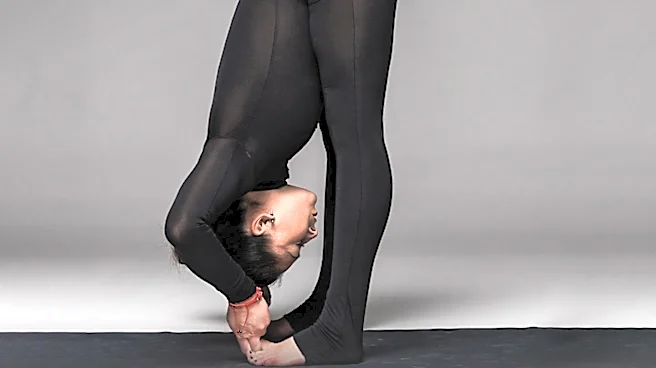
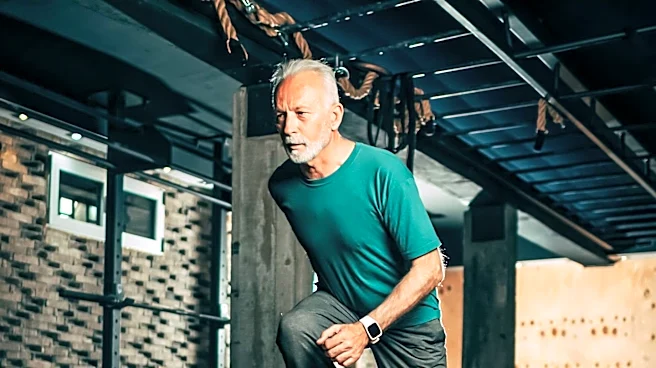
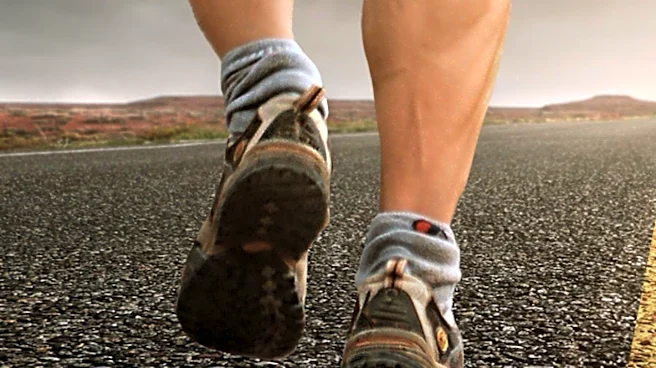
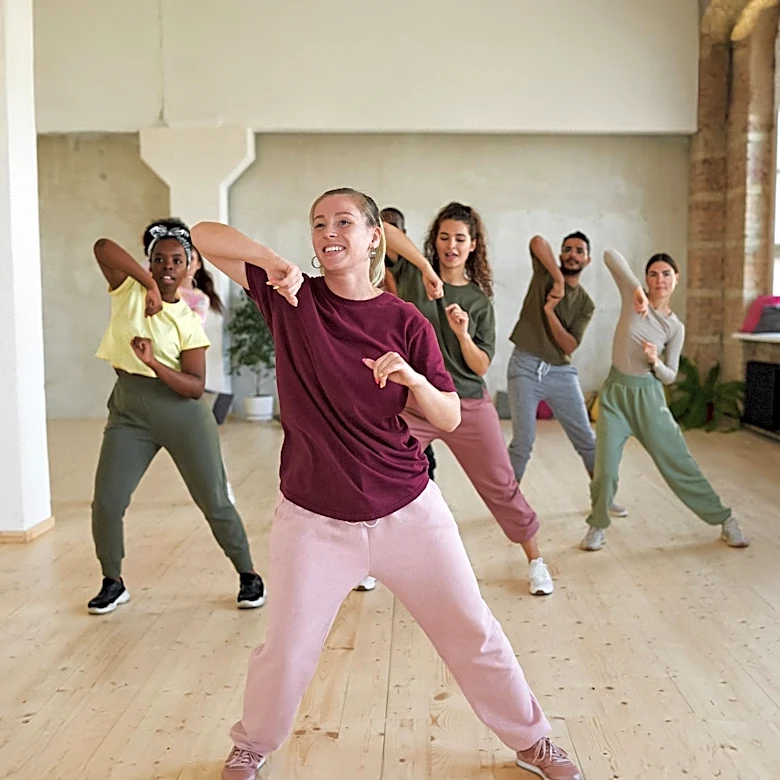
walking, and weighted walking, each offering unique health advantages. Power walking, for instance, involves maintaining a brisk pace with vigorous arm movements, which can enhance heart health and metabolism. Nordic walking, which uses poles to engage the upper body, can burn more calories and improve posture. Weighted walking, or 'rucking', involves carrying weights to increase muscular endurance. Additionally, walking yoga combines mindfulness with physical activity, while urban hiking offers a low-impact exercise option in city environments. These methods are gaining popularity as effective ways to boost physical fitness and mental well-being.
Why It's Important?
The emphasis on walking as a form of exercise is significant due to its accessibility and low-impact nature, making it suitable for a wide range of individuals, including those with joint issues or limited mobility. Walking can be easily integrated into daily routines, providing a practical solution for those seeking to improve their health without the need for specialized equipment or gym memberships. The various techniques highlighted offer tailored benefits, such as improved cardiovascular health, increased calorie burn, and enhanced mental clarity. This focus on walking aligns with broader public health goals to encourage physical activity and reduce the risk of chronic diseases, such as heart disease and obesity. As walking becomes more recognized for its health benefits, it may lead to increased participation in physical activity and improved public health outcomes.
What's Next?
As the popularity of walking continues to grow, it is likely that more fitness programs and community initiatives will incorporate these techniques to promote health and wellness. Fitness professionals may develop new walking-based programs that cater to different fitness levels and goals, further expanding the accessibility of exercise. Additionally, urban planning and public health policies may increasingly support walking-friendly environments, such as pedestrian-friendly streets and accessible parks, to encourage more people to engage in walking as a regular form of exercise. The continued research into the benefits of walking could also lead to new insights and innovations in fitness and health promotion.
Beyond the Headlines
The growing interest in walking as a form of exercise reflects a broader cultural shift towards more sustainable and inclusive fitness practices. Unlike high-intensity workouts that may not be suitable for everyone, walking offers a more inclusive approach to physical activity, accommodating various fitness levels and abilities. This shift may also influence the fitness industry to prioritize holistic health and wellness over purely aesthetic goals. Furthermore, the integration of mindfulness practices, such as walking yoga, highlights the increasing recognition of the connection between mental and physical health. As society continues to value holistic well-being, walking may play a key role in promoting a balanced and healthy lifestyle.