





What's Happening?
The autumn/winter 2026 collections are showcasing a shift in footwear trends, emphasizing a balance between comfort and style for colder weather. Designers are presenting a variety of options, moving beyond the traditional dilemma of choosing between practicality
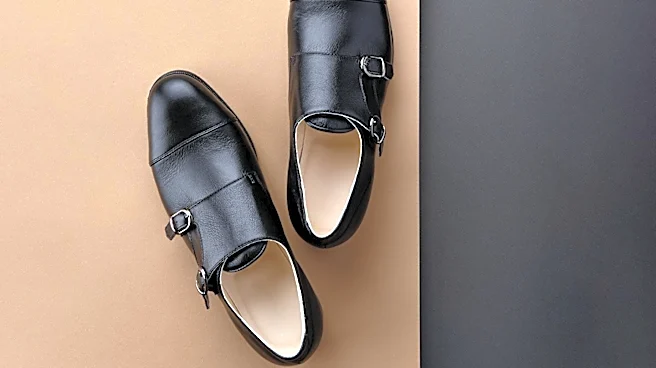
and elegance. Key trends include a more varied range of boot silhouettes, such as biker boots for a rebellious edge and riding-inspired styles for a refined look, alongside close-fitting sock boots. Loafers are also gaining prominence due to their versatility, suitable for tailored trousers, wool skirts, or denim. For those seeking height without the commitment of a stiletto, kitten heels and sculptural heels are emerging as elegant alternatives. Additionally, soft slippers and sophisticated slip-on styles are being considered, particularly when paired with structured outerwear or formal separates. These directions have been observed in the collections of prominent fashion houses like Dior, Chanel, Celine, and Proenza Schouler.
Why It's Important?
This evolution in winter footwear is significant for the fashion industry and consumers alike, as it reflects a broader trend towards functional yet stylish apparel. For U.S. retailers and designers, understanding these emerging preferences is crucial for inventory planning, marketing strategies, and staying competitive in the fashion market. The emphasis on versatility and comfort could lead to increased consumer spending on footwear that serves multiple purposes and occasions. This trend also suggests a potential shift in consumer values, where practicality and longevity in fashion choices are becoming as important as aesthetic appeal. Manufacturers of footwear materials and components may also see changes in demand, favoring materials that offer both durability and comfort. The influence of major fashion houses in setting these trends indicates a coordinated industry movement towards more wearable and adaptable winter collections.
What's Next?
As these trends solidify, consumers can expect to see a wider array of practical yet elegant footwear options available in stores for the winter 2026 season. Retailers will likely adjust their offerings to align with these preferences, focusing on boots, loafers, and mid-height heels that cater to both comfort and style. Fashion publications and influencers will continue to highlight these trends, further shaping consumer demand. Designers will likely continue to innovate within these categories, exploring new materials and constructions that enhance both the aesthetic and functional aspects of winter shoes. The focus on versatility suggests that future collections may further integrate multi-purpose designs, allowing consumers to invest in fewer, higher-quality pieces that can be styled in various ways.
Beyond the Headlines
The shift towards practical yet elegant footwear in the autumn/winter 2026 collections may signal a deeper cultural movement away from purely trend-driven consumption towards more mindful and sustainable fashion choices. By prioritizing versatility and comfort, the industry could be responding to a growing consumer desire for items that offer long-term value and can be integrated seamlessly into diverse wardrobes. This approach could also have environmental implications, as consumers might be encouraged to purchase fewer, more durable items, potentially reducing waste. Furthermore, the emphasis on comfort in fashion could reflect broader societal changes, where well-being and functionality are increasingly valued alongside aesthetics. This trend might also influence other segments of the fashion industry, encouraging a holistic approach to design that considers both form and function across all apparel categories.