



What's Happening?
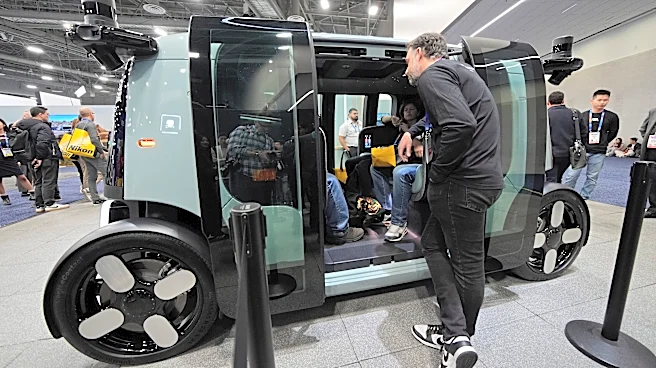
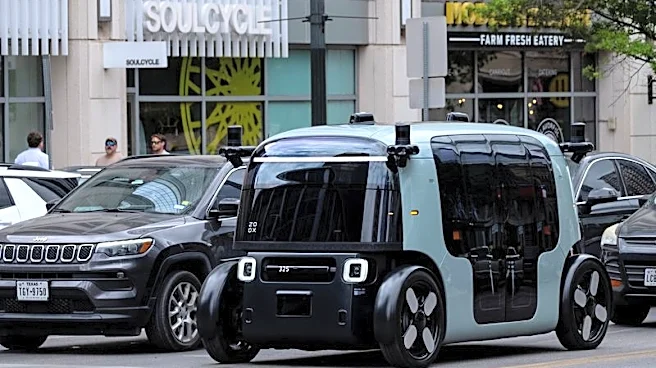
The National Highway Traffic Safety Administration (NHTSA) is pushing to accelerate the deployment of robotaxis by granting temporary waivers to companies like Zoox, allowing them to bypass certain federal safety standards. This move aims to streamline
regulations and promote the commercialization of autonomous vehicle services. However, local authorities, such as those in San Francisco, are pushing back, citing concerns over the interaction of autonomous vehicles with emergency services. This regulatory tension highlights the challenges of balancing innovation with public safety in the autonomous vehicle industry.
Why It's Important?
The expansion of robotaxi services has the potential to revolutionize urban transportation, offering new mobility options and reducing reliance on personal vehicles. However, the regulatory push and local resistance underscore the complexities of integrating autonomous vehicles into existing transportation systems. Ensuring safety and reliability is crucial for public acceptance, and the outcome of these regulatory efforts will shape the future of the industry. The decisions made by federal and local authorities will have significant implications for technology companies, investors, and urban planners.
What's Next?
As the NHTSA continues to promote the deployment of robotaxis, local governments will likely intensify their scrutiny and demand stricter safety measures. Companies like Zoox and Waymo will need to navigate this regulatory landscape while addressing public concerns. The development of national safety standards, as proposed by Rep. Kevin Mullin, could provide a framework for resolving these tensions. The industry will also see increased investment and partnerships as companies seek to capitalize on the growing demand for autonomous transportation solutions.